


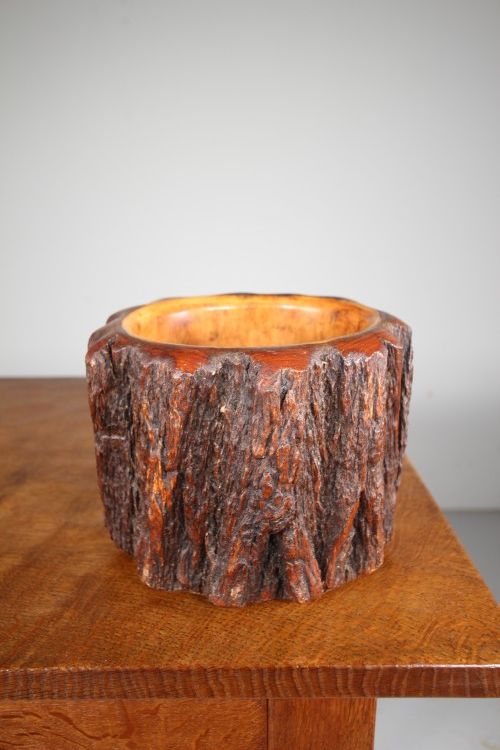
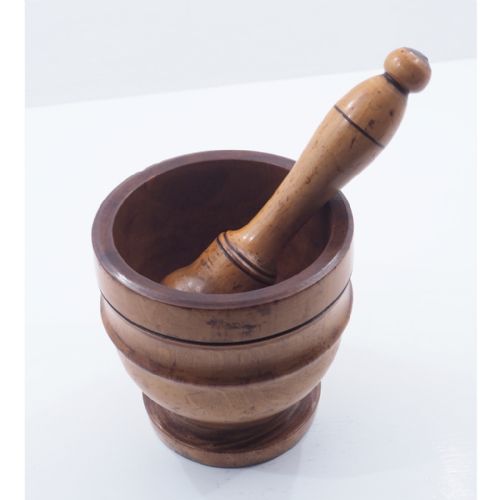

Rustic Wood Bowl
A rustic wood bowl brings tactile warmth to a room, offering practical utility and centuries of domestic history in a single turned or carved vessel.
Rustic Wood Bowl
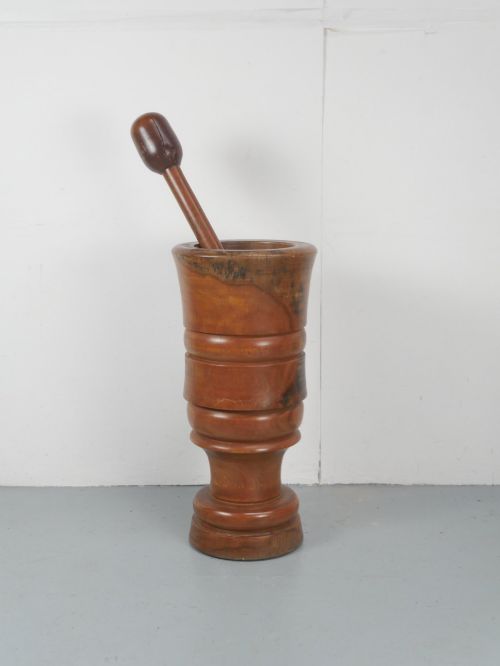
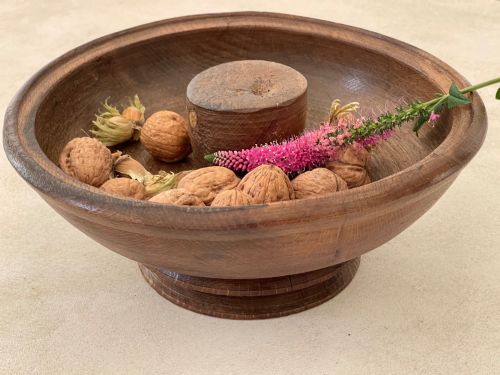
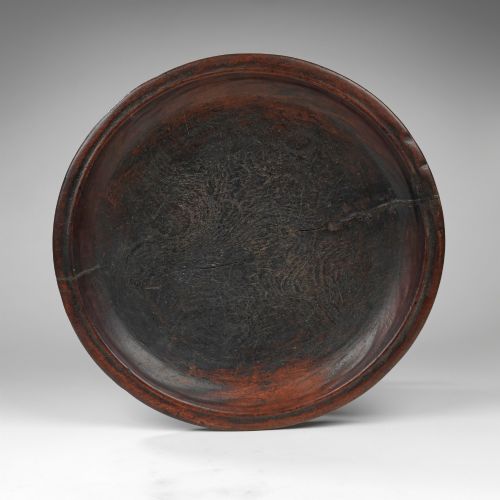
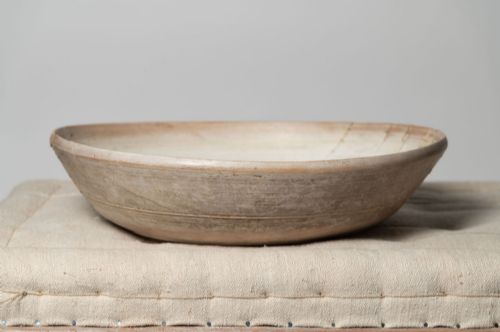
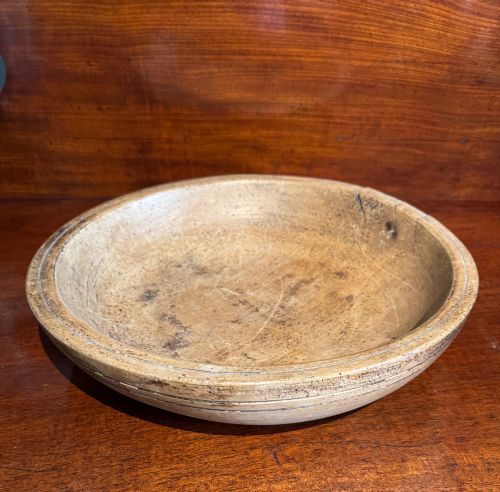
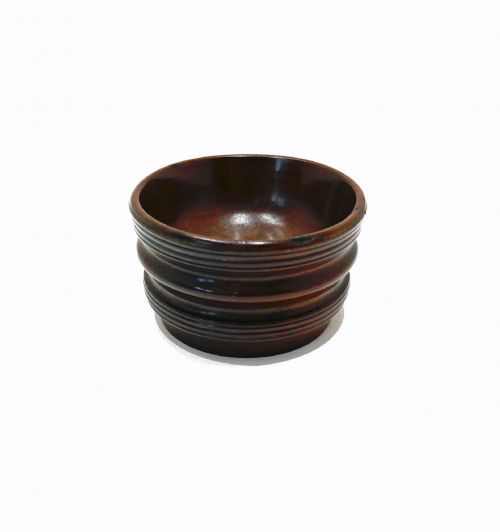
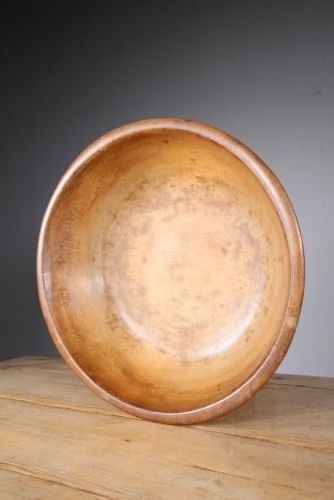
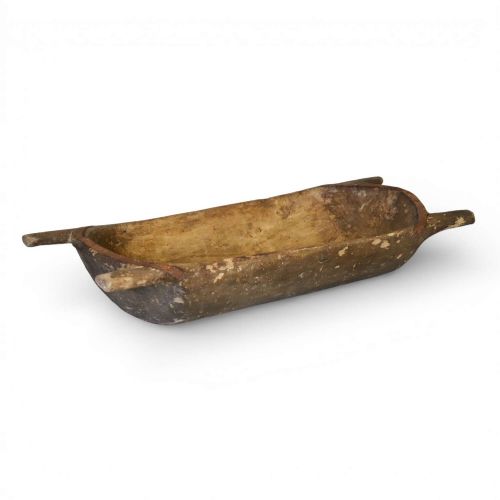
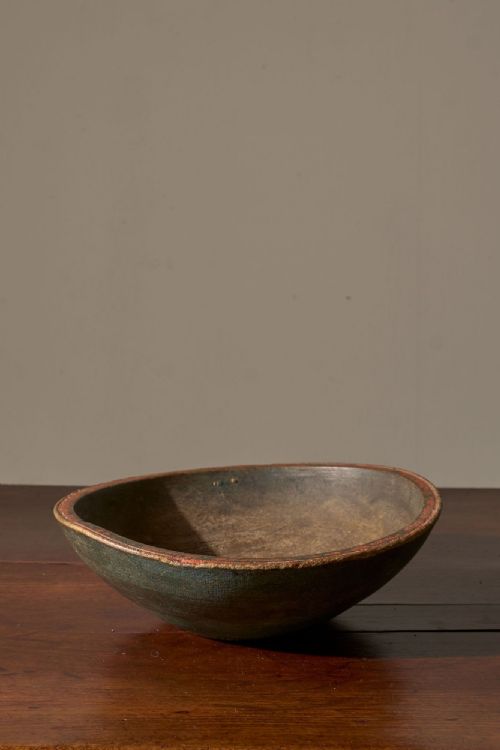
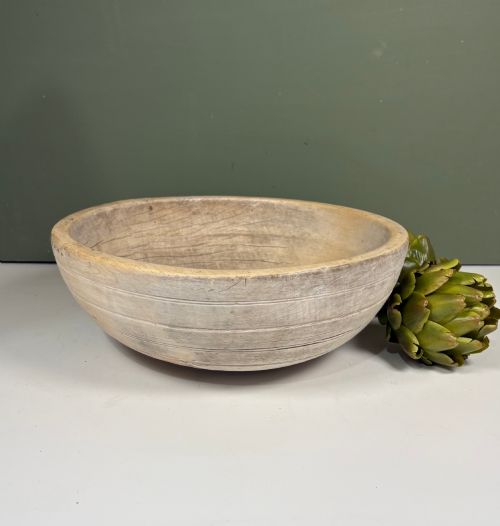
When you search for a rustic wood bowl, you encounter utilitarian treen and kitchen vessels shaped from solid timber for daily domestic tasks. These pieces range from dairy bowls and dough troughs to mortars, platters, and salt cellars used in kitchens and homesteads.
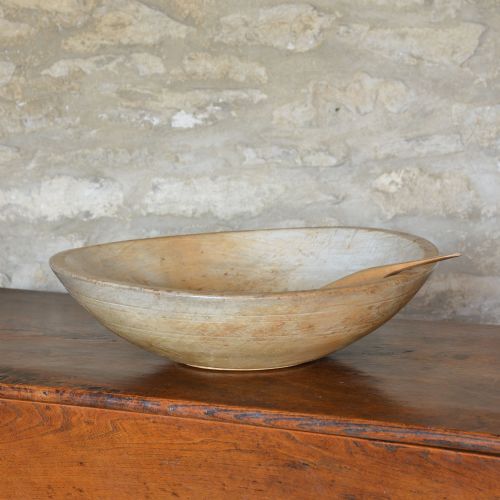
The selections on this page span several centuries, featuring examples from the 17th century through to the early 20th century. You will frequently meet nineteenth-century sycamore dairy bowls alongside turned wooden vessels from the Georgian period.
Origins stretch across English, French, Swedish, Norwegian, and continental workshops, reflecting regional vernacular traditions. Forms include dug-out bowls, hand-carved platters, and turned treen, each bearing the marks of everyday use.
How they were made
Maker-craftsmen utilised native hardwoods such as sycamore, ash, laburnum, elm, and pine, selecting timber for its grain and stability. Wood was often worked green on a lathe or hollowed out by hand using gouges and adzes.
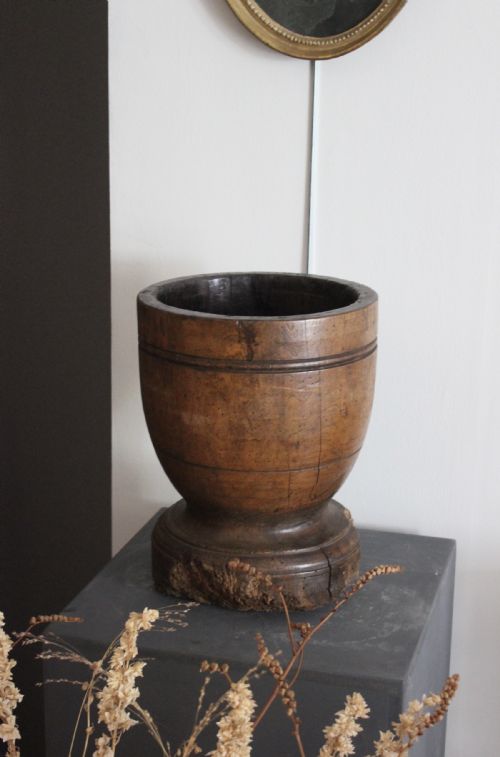
Dairy bowls and mortars required dense timbers that could withstand moisture and heavy friction during food preparation. Turning on a lathe produced symmetrical round vessels, whilst dug-out bowls and troughs emerged from single blocks of solid wood.
Rustic Wood Bowl Retail Price Guide 2026
Typical asking prices for rustic wood bowl among the pieces listed under this phrase on Sellingantiques today, from the lower quarter to the upper quarter. They describe what is for sale here now, not the wider market.
Listings feature woods such as sycamore, ash, elm, laburnum, pine, and olive wood across centuries including the 17th, 18th, and 19th.
What varies in quality
Quality rests in the harmony of the timber's grain, the crispness of the original tool marks, and the depth of the patina accumulated through decades of handling. Early examples with untouched surfaces and balanced proportions stand apart from later or heavily restored vessels.
The integrity of the form dictates distinction, whether a dairy bowl retains its original broad rim or a mortar shows substantial, even wear from its pestle. Superior pieces display thoughtful selection of the wood block, allowing natural knots and growth patterns to enhance the vessel.
The Rustic Wood Bowl Glossary
- Treen
- Small handmade wooden objects for domestic use. This term covers everything from turned bowls and platters to spoons and salt cellars.
- Dairy bowl
- A shallow vessel used historically for setting milk and skimming cream. These pieces are frequently turned from sycamore to resist absorbing fats.
- Dough bowl
- A large trough utilised for kneading bread dough. French and continental farmhouse examples often feature deep walls and rich patinas.
- Mortar
- A heavy bowl used with a pestle for crushing and grinding substances. Evidence shows examples carved from solid elm, olive wood, and hardwood.
- Patina
- The surface sheen and colour developed over years of use, cleaning, and exposure to light. A warm patina indicates age and regular handling.
- Vernacular
- Everyday objects shaped by local craft traditions rather than academic design styles. These pieces serve practical functions rooted in regional domestic life.
Rustic Wood Bowl: Frequently Asked Questions
What is a rustic wood bowl?
A rustic wood bowl is a utilitarian domestic vessel shaped from solid timber, such as sycamore, ash, or elm, for tasks like food preparation and storage.
These pieces include dairy bowls, dough troughs, and turned treen originating from seventeenth-century to early twentieth-century households.
How were old wooden bowls used?
Historical wooden bowls served essential daily functions in rural and domestic life, ranging from setting milk in dairies to kneading bread dough.
Heavier vessels like mortars ground ingredients with pestles, whilst shallow platters and treen bowls held food or served at the table.
How do I date an antique wooden bowl?
Dating relies on observing the tool marks, timber choice, turning style, and overall form in the context of known vernacular periods.
Earlier pieces often display hand-dug surfaces or early lathe work, whereas nineteenth-century examples frequently utilise sycamore for dairy and kitchen use.
How do I care for a rustic wood bowl?
Live with these wooden vessels by keeping them away from direct heat sources and sudden humidity changes that can cause the timber to split.
Clean surfaces gently with a dry or barely damp cloth, avoiding prolonged soaking in water to preserve the natural wood and historic patina.