





Rustic Wall Shelving
These rustic wall shelving pieces bring honest timber and utilitarian charm to a room, offering practical display space built to last.
Rustic Wall Shelving
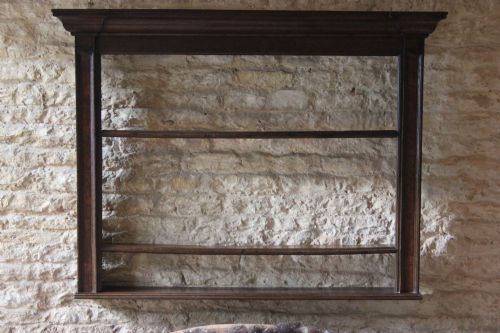
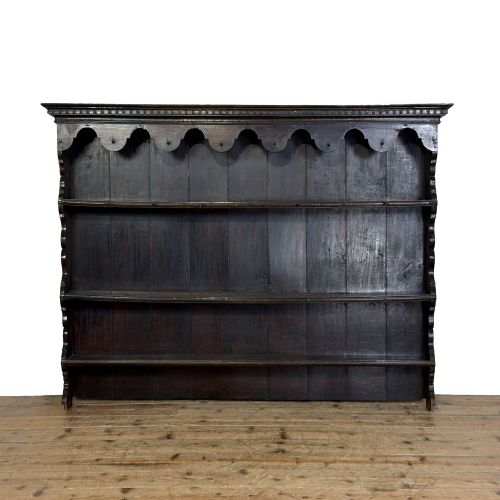
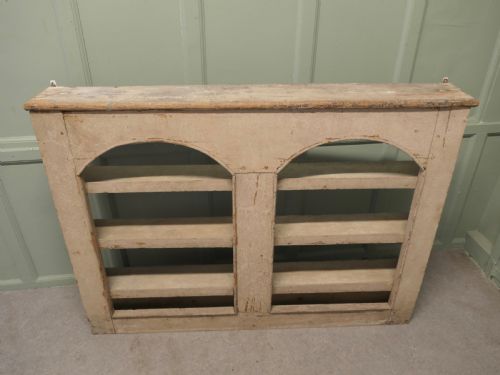
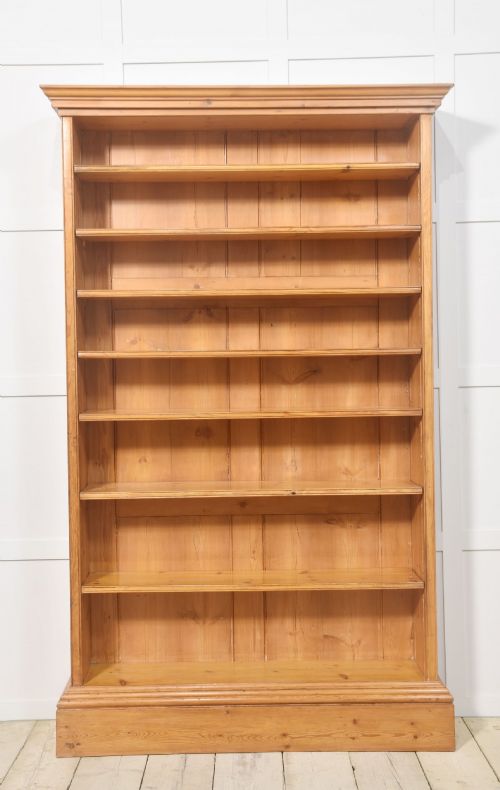
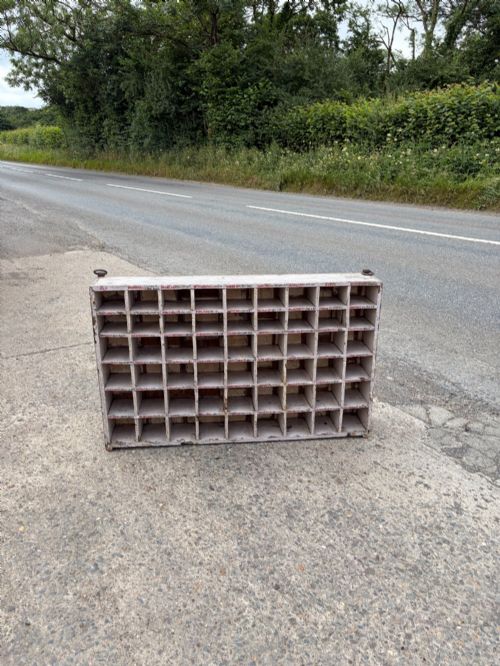
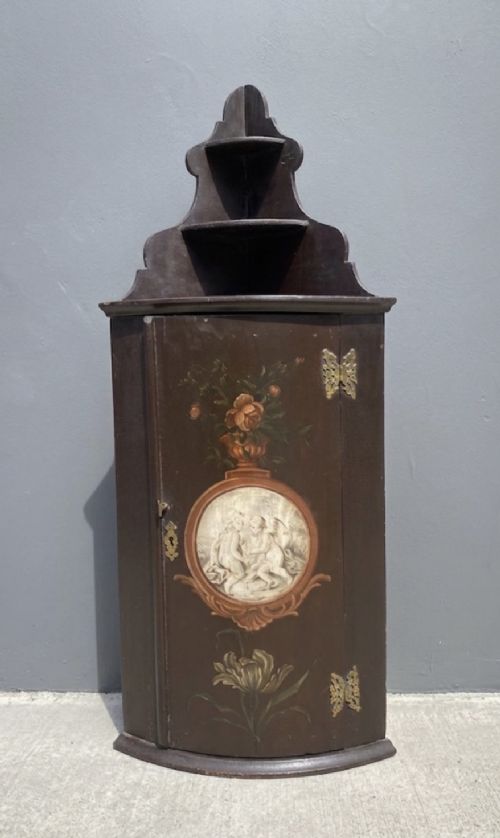
Rustic wall shelving encompasses practical wooden plate racks, open bookcases, pigeon holes, and hanging cupboards designed to organise domestic spaces. These pieces emerge primarily from the eighteenth and nineteenth centuries, spanning Georgian, Victorian, and provincial European traditions.
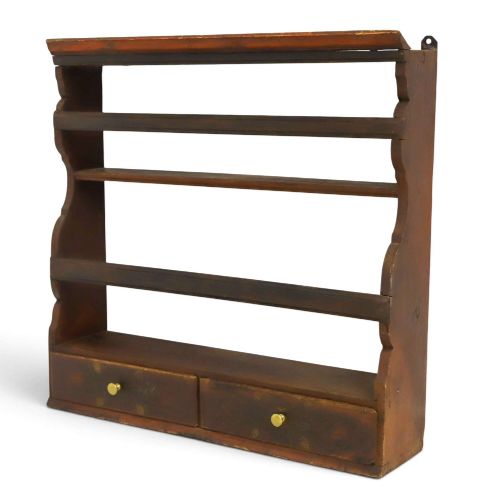
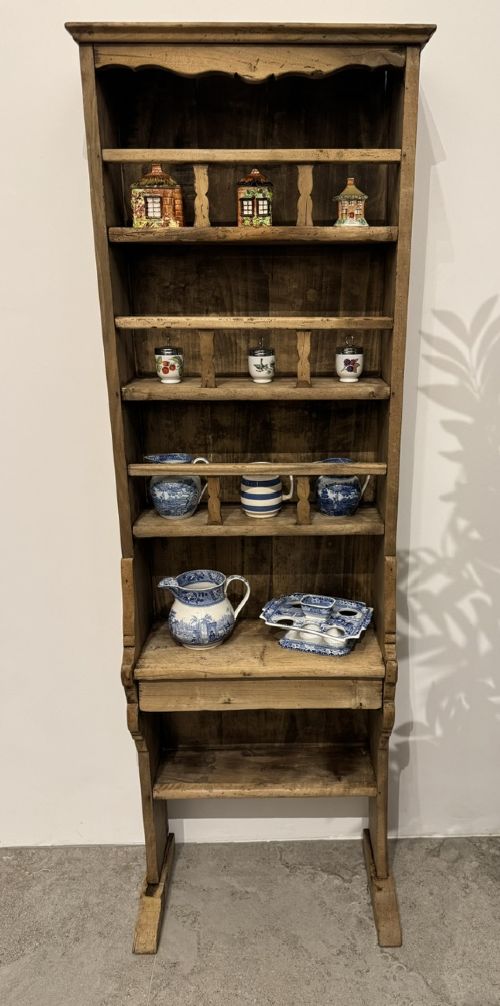
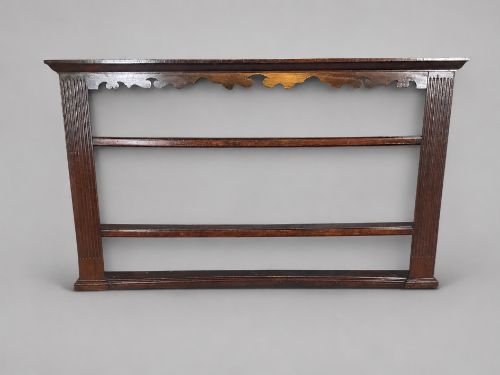
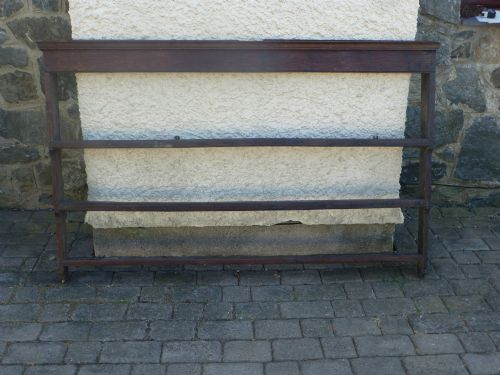
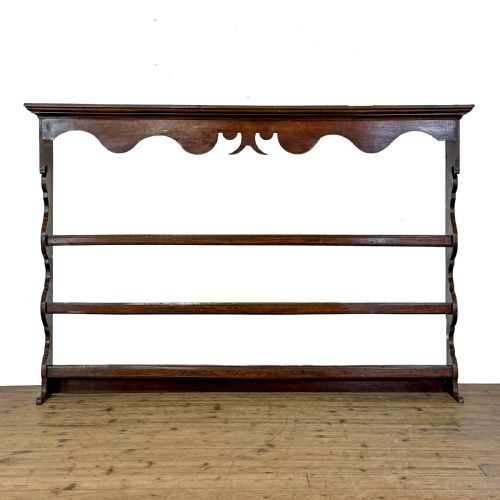
The most common examples on this page are pine and oak wall racks and plate racks originating from country houses and farmhouses. They combine simple wall-mounted storage with deep ledges intended for displaying crockery or storing household goods.
How they were made
Construction relies heavily on solid timbers such as oak, pine, and walnut, frequently joined by hand using traditional pegging or dovetailing methods. Iron and brass brackets occasionally provide structural support, particularly on heavier shelf brackets and industrial variants.
Surfaces show various finishes including natural waxed grains, historic painted wood, and folk art decoration. These treatments reflect the utilitarian origins of the pieces and the domestic environments that used them.
Rustic Wall Shelving Retail Price Guide 2026
Typical asking prices for rustic wall shelving among the pieces listed under this phrase on Sellingantiques today, from the lower quarter to the upper quarter. They describe what is for sale here now, not the wider market.
Listings feature items from the eighteenth and nineteenth centuries, constructed predominantly in oak, pine, and iron across various European regional styles.
What varies in quality
Quality rests on the selection of timber and the integrity of the original construction rather than decorative excess. Heavier sections of oak or finely figured walnut separate utilitarian storage from finer provincial cabinet-making.
The survival of original surfaces, such as early paint finishes and uncompromised hanging points, determines the desirability of a piece. Altered depths or replaced boards diminish the historic integrity of older shelving units.
The Rustic Wall Shelving Glossary
- Plate rack
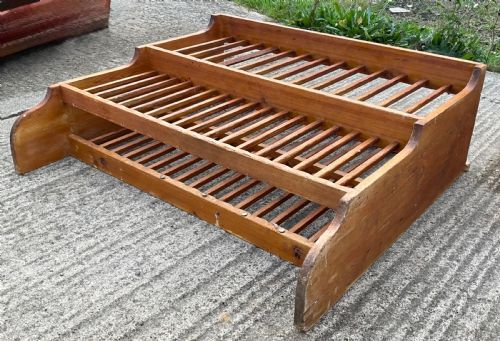
- A wall-mounted rack featuring narrow shelves and vertical wooden slats designed to hold plates upright. These originated in kitchens to dry and display ceramics.
- Pigeon holes
- Small, stacked compartments built into a cabinet or frame for sorting documents or small items. They are typical of utilitarian office and workshop furniture.
- Provincial
- A term describing furniture made in the regions outside a capital city, often displaying local traditions and practical construction methods. Provincial pieces prioritise utility over metropolitan fashion.
- Delft rack
- A specific form of wall hanging shelf designed to display delftware and other ceramic platters. They often feature protective lips or guard rails to secure the plates.
Rustic Wall Shelving: Frequently Asked Questions
How do I hang heavy wall shelves safely?
Heavy wooden shelves require secure fixing directly into wall studs or masonry using appropriate weight-bearing brackets. Historic hanging points should be checked and supplemented with modern fixings if necessary.
Distributing weight evenly across the structure prevents warping and protects both the timber and the wall surface over time.
Can I use antique plate racks in a modern kitchen?
Antique plate racks integrate well into contemporary kitchens, providing accessible storage for everyday ceramics and heavy tableware. Their open format keeps frequently used items close at hand.
Ensure the surrounding wall can bear the combined weight of the timber and the heavy crockery placed upon it.
What is the difference between oak and pine shelving?
Oak is a dense, hard timber that develops a deep patina and offers exceptional structural strength for heavy loads. It is typically found in eighteenth-century and Georgian provincial pieces.
Pine is a softer softwood that was widely used for nineteenth-century painted or utilitarian kitchen furniture, often appearing with a lighter grain.
How do I care for historic painted wood?
Historic painted surfaces require gentle dusting with a dry, soft cloth to avoid abrading fragile pigment layers. Avoid modern chemical cleaners and excessive moisture, which can lift old paint.
Maintain stable room humidity to prevent the underlying timber from expanding and causing the paint finish to crack.