

Rustic Wall Mount
When you search for rustic wall mount, you find utilitarian objects designed to organise domestic spaces using natural materials.
Rustic Wall Mount
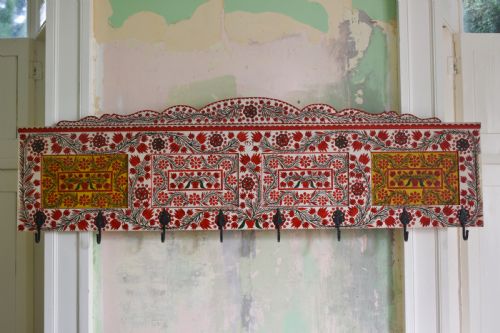
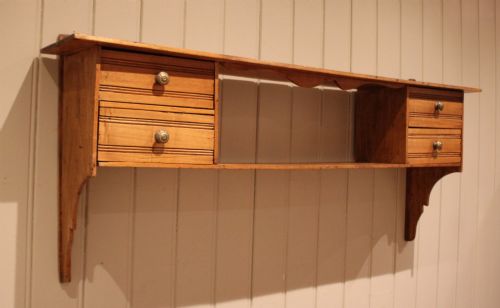
A rustic wall mount groups practical fixtures and display fittings that attach directly to vertical surfaces. These items originate from periods spanning the eighteenth, nineteenth, and early twentieth centuries, reflecting rural domestic habits.
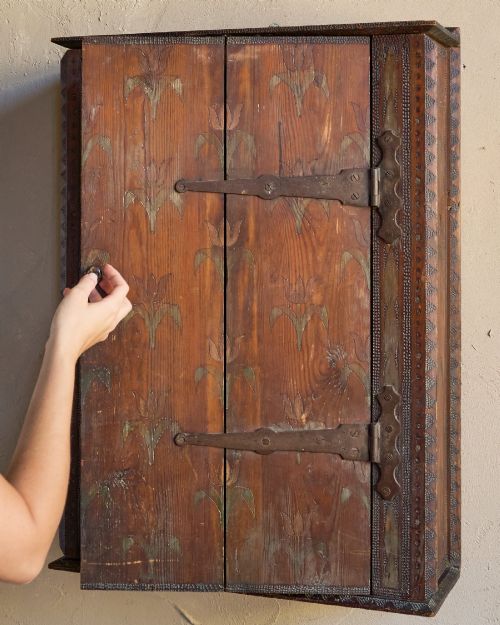
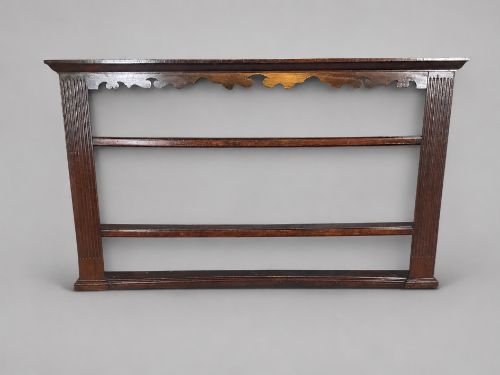
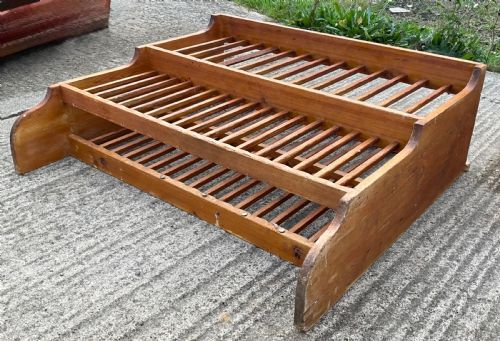
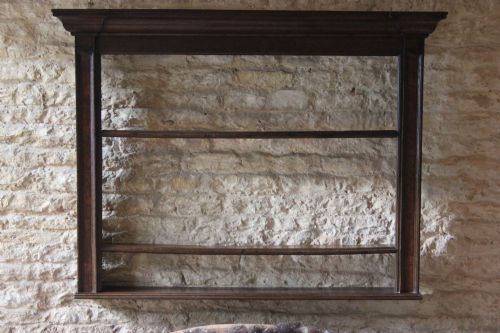
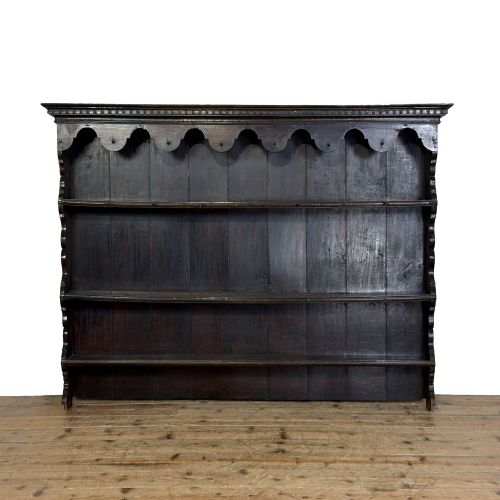
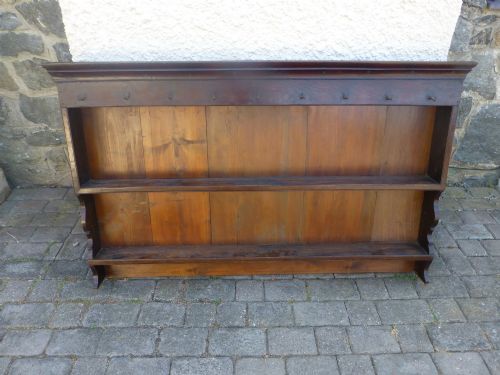
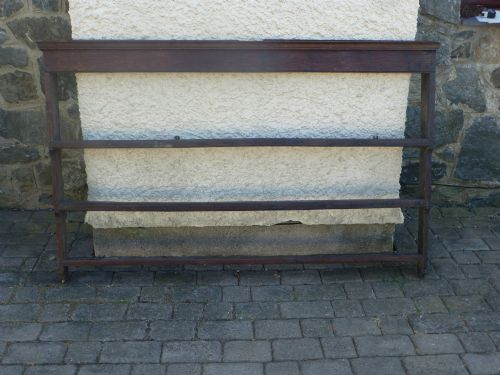
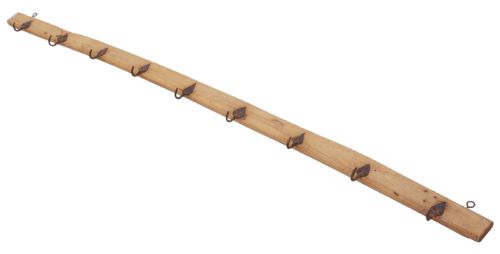
The most common forms on this page include oak plate racks, pine coat hooks, taxidermy mounts, and corner cabinets. Pieces emerge from various regional traditions, including English country houses, French provincial settings, and Black Forest workshops.
Utility governs the category, ranging from kitchen game hook racks and pigeon holes to hat trees and key boards. Each item served a specific household function before entering the antique market.
Materials and construction methods
Solid timber forms the foundation of these pieces, with oak and pine appearing most frequently alongside structural iron and brass hardware. Cabinetmakers and local artisans utilised traditional joinery, securing shelves and backboards with hand-cut fixings.
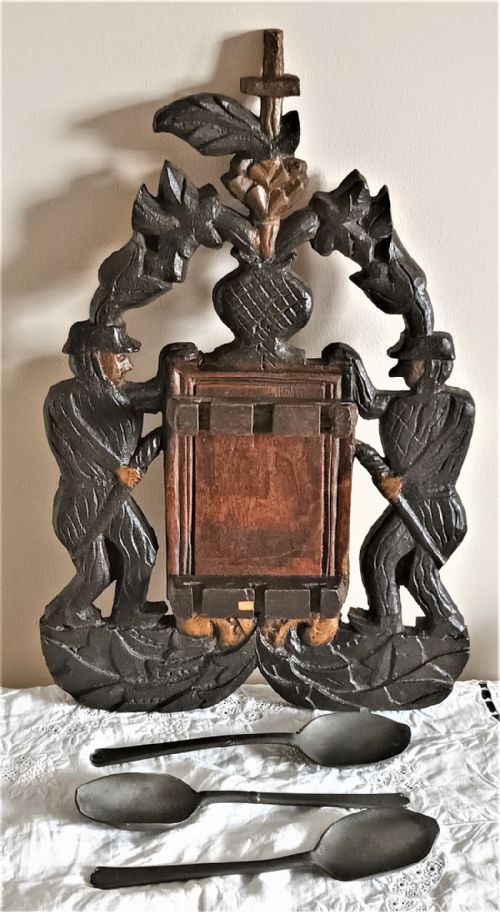
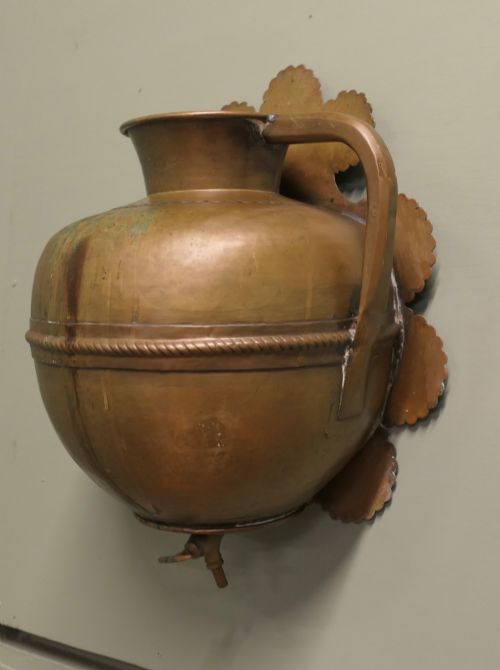
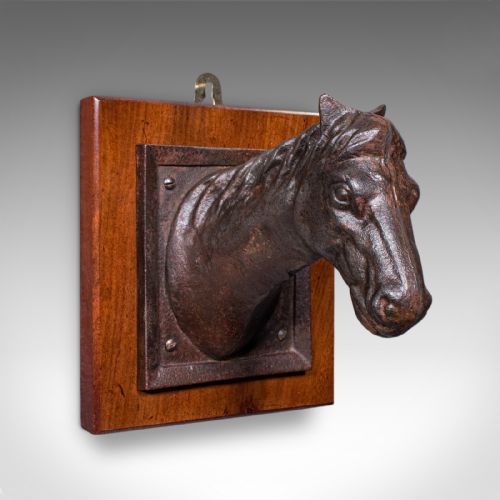
Decorative elements often involve carving, as seen in Black Forest style animal heads and folk art antler trophies mounted on wooden shields. Painted finishes, ceramic insets, and wrought iron brackets provide both visual contrast and structural support.
Rustic Wall Mount Retail Price Guide 2026
Typical asking prices for rustic wall mount among the pieces listed under this phrase on Sellingantiques today, from the lower quarter to the upper quarter. They describe what is for sale here now, not the wider market.
Listings span the eighteenth, nineteenth, and early twentieth centuries, featuring oak, pine, iron, and brass.
Assessing quality in wall-mounted items
The distinction between ordinary utility items and superior examples lies in the depth of hand-carving and the integrity of the original timber. Pieces featuring detailed animal carvings or untouched painted surfaces command greater interest from collectors.
Original hardware, such as period brass hooks or hand-forged iron brackets, preserves the authenticity of the mount. Alterations to backboards or replaced structural elements influence the overall standing of an individual piece.
The Rustic Wall Mount Glossary
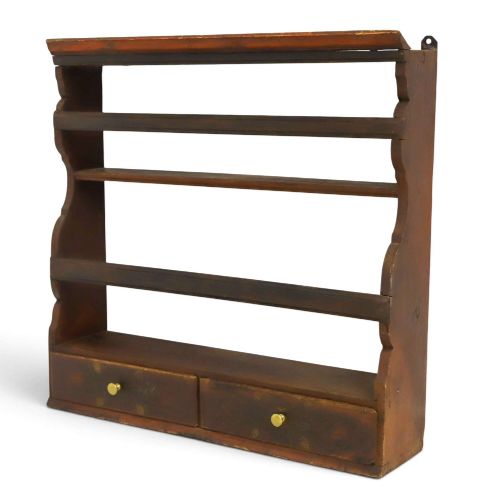
- Plate rack
- A wall-mounted wooden shelving unit designed to display plates vertically using narrow ledges and retaining rails.
- Black Forest style
- A nineteenth-century carving tradition originating in central Europe, characterised by realistic depictions of animals and foliage.
- Taxidermy mount
- The preserved head or horns of an animal fixed to a wooden shield for display on a wall.
- Pigeon holes
- A grid of small compartments attached to a wall for sorting correspondence or small items.
- Coat hook
- A projecting metal or wooden peg attached to a backboard for hanging garments.
Rustic Wall Mount: Frequently Asked Questions
How were rustic wall mount pieces used originally?
These items served functional roles in domestic and commercial spaces, from hanging coats in hallways to storing ceramics in kitchens.
Many designs adapted to specific trades, such as hotel reception key boards or kitchen game hook racks.
What woods dominate these wall mounts?
Oak and pine appear most frequently across the listed items, providing durable surfaces for daily household use.
Secondary materials include cast iron, brass, and hand-painted finishes applied to softwoods.
How do I date a wooden wall rack?
Examination of the construction joints, timber grain, and fixing methods helps determine the age of a piece.
Wear patterns around hooks and shelves also indicate the extent of past domestic use.
Are taxidermy mounts period appropriate?
Nineteenth and early twentieth-century interiors frequently incorporated animal heads and horns as decorative trophies.
Mounted specimens on wooden shields reflect the Victorian and Edwardian interest in natural history.