



Rustic Wall Hanging
A rustic wall hanging brings tactile warmth to a room, offering practical storage and time-worn character shaped by utilitarian origins.
Rustic Wall Hanging
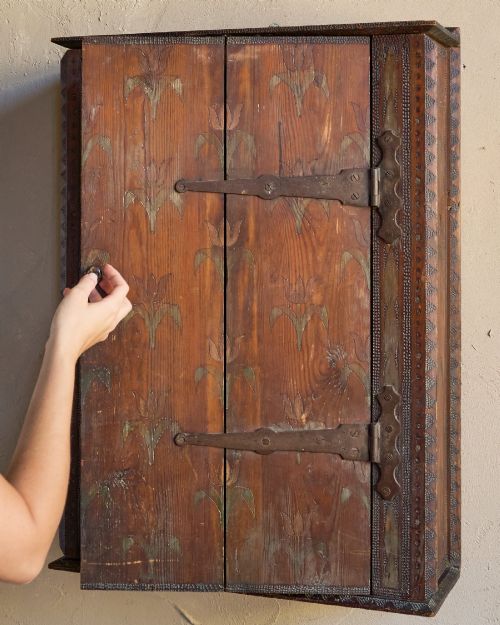
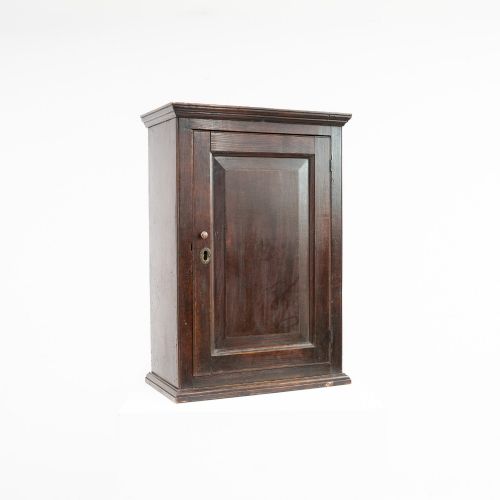
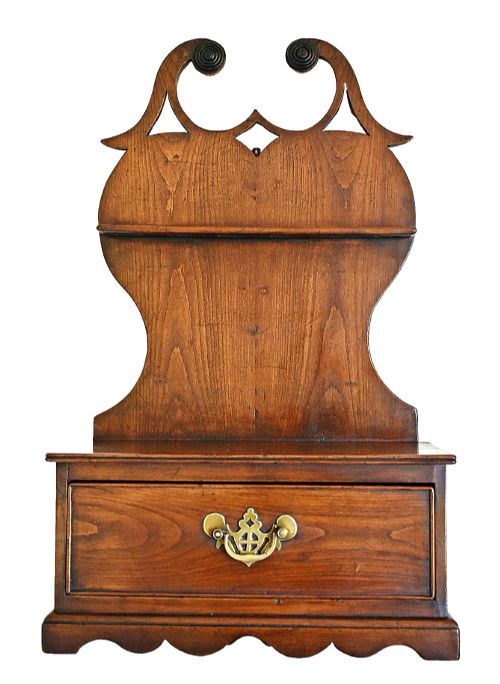
A rustic wall hanging encompasses functional wooden and metal objects designed to be mounted on a room's vertical surfaces. The selection relies heavily on domestic utility, spanning small spice cupboards, salt boxes, corner cabinets, plate racks, and mirrors.
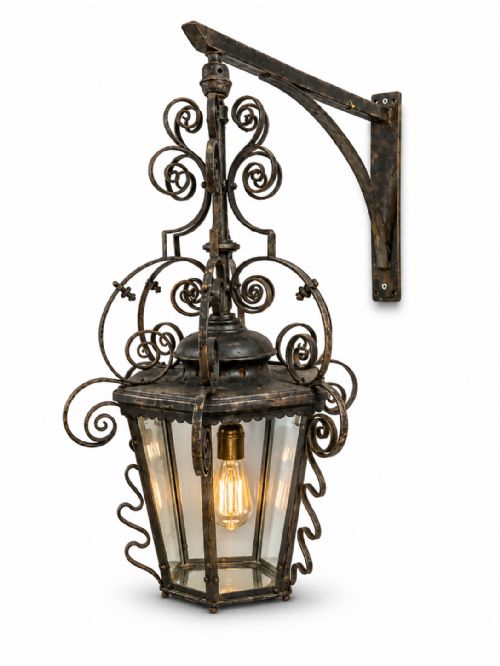
The material palette draws primarily from solid timbers like oak and pine, accented by iron, brass, glass, and occasional taxidermy mounts. Pieces frequently originate from eighteenth and nineteenth-century domestic contexts, bringing historic utility directly into modern interiors.
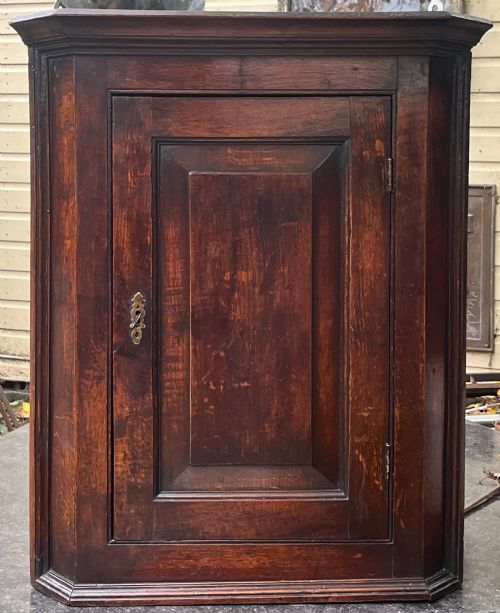
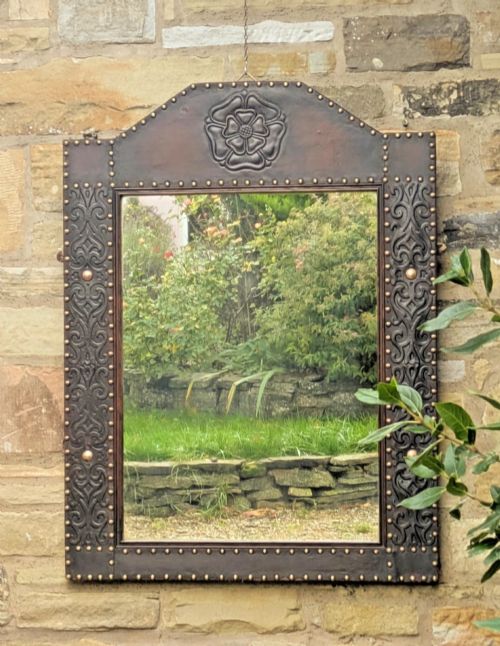
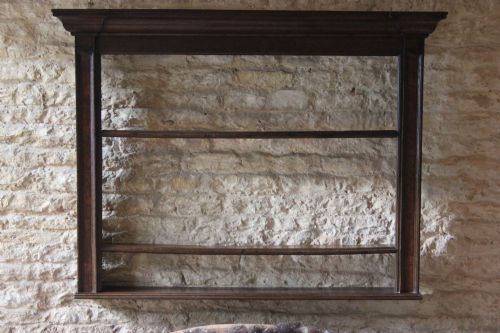
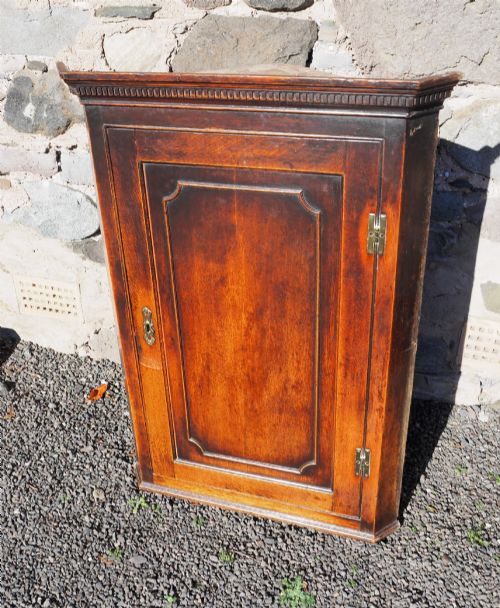
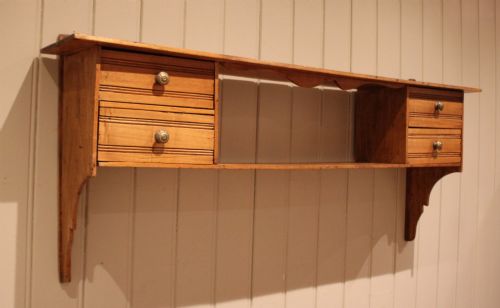
Forms range from simple hanging shelves to glazed corner cupboards and intricately detailed Arts and Crafts key cabinets. Buyers encounter a strong presence of country vernacular items that served everyday storage needs in historic kitchens and living spaces.
How they were made
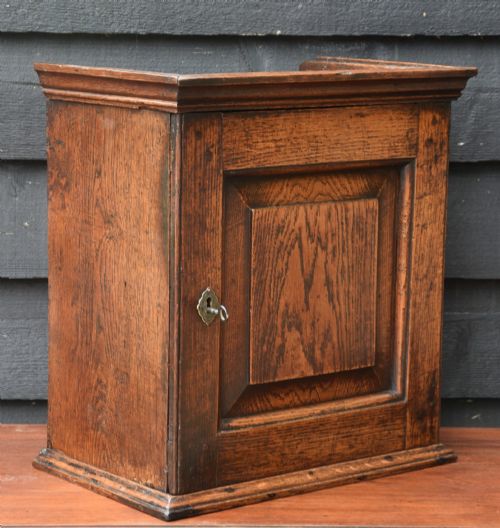
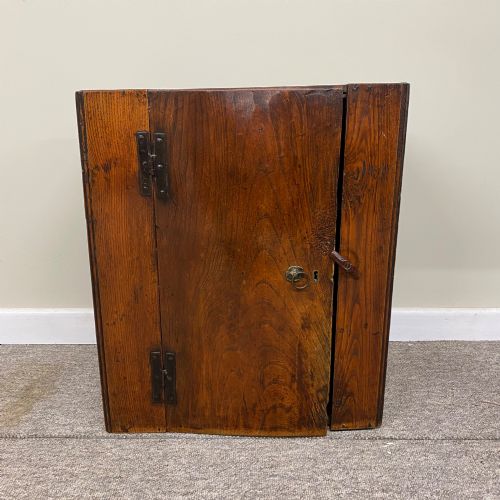
Construction relies on traditional joinery executed in hardwoods like oak and softwoods such as pine. Joiners utilised pegged mortise and tenon joints for cupboards and spice boxes, ensuring durability in daily household use.
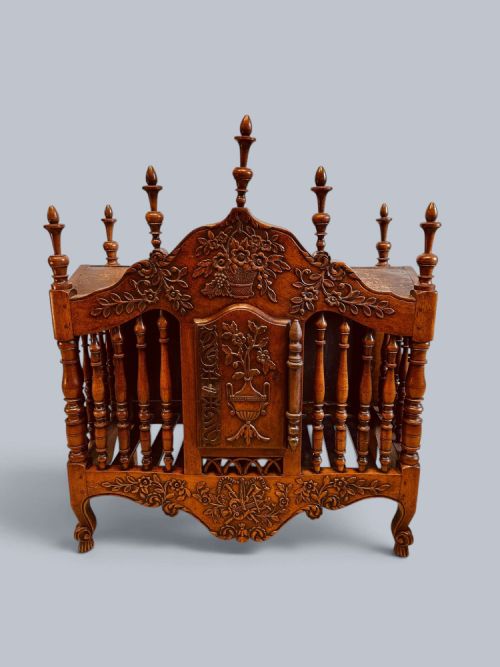
Surfaces often display original iron or brass hardware, hand-painted finishes, and traces of historic red pigment or weathered patination. Decorative touches such as fret-cutting, faux bamboo turning, and copper Celtic knot accents appear on later Arts and Crafts pieces.
Rustic Wall Hanging Retail Price Guide 2026
Typical asking prices for rustic wall hanging among the pieces listed under this phrase on Sellingantiques today, from the lower quarter to the upper quarter. They describe what is for sale here now, not the wider market.
Materials across the inventory span solid oak, pine, brass, wrought iron, glass, and painted wooden surfaces.
What varies in quality
Quality rests upon the integrity of the timber and the preservation of original surfaces. Pieces retaining their historic paintwork, patinated brass or iron hinges, and untouched backs command greater interest than those stripped or heavily restored.
Subtlety of proportion and joinery execution separate vernacular pieces. A well-balanced eighteenth-century spice cupboard with crisp mouldings demonstrates a higher grade of craftsmanship than a standard utilitarian box.
The Rustic Wall Hanging Glossary
- Spice cupboard
- A small wall-mounted wooden cabinet historically used for storing expensive culinary spices. These typically feature panelled doors and small internal drawers.
- Salt box
- A domestic container designed to keep coarse kitchen salt dry. Wall-hanging versions usually possess a sloping lid and a high backboard with a suspension hole.
- Plate rack
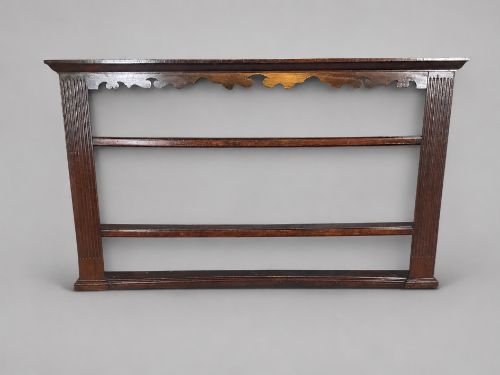
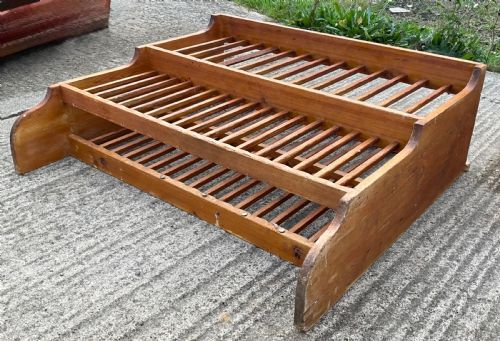
- A wall-mounted shelving unit featuring wooden slats or rungs to display ceramic plates vertically. These were staple fixtures in historic country kitchens.
- Fret cut
- A woodwork technique where patterns or shapes are pierced through thin timber using a fretsaw. This method creates decorative silhouettes on mirror frames and shelves.
- Plushwork
- A Victorian textile craft involving padded and embroidered velvet or plush fabrics applied to a backing. Examples often depict natural subjects like birds and game.
Rustic Wall Hanging: Frequently Asked Questions
How do I hang a heavy wooden wall cupboard safely?
Heavy historic cupboards require secure fixings anchored directly into wall studs or masonry using appropriate heavy-duty screws. Distribute the weight evenly across existing internal mounting points to protect old timber.
Avoid relying solely on plasterboard, as eighteenth and nineteenth-century oak structures carry substantial weight. Consulting a professional installer ensures the piece remains secure.
Were all rustic wall shelves made for kitchens?
While many plate racks, salt boxes, and spice cupboards originated in domestic kitchens, others served different rooms. Key cabinets and mirrors were placed in hallways or parlours for daily convenience.
Utility pieces transitioned across various domestic spaces depending on household needs. Their adaptable scale suits modern entryways, studies, and living rooms alike.
How do I clean an antique painted salt box?
Clean painted wooden surfaces gently with a dry, soft microfiber cloth to remove dust. Avoid using abrasive cleaning agents, solvents, or excessive water that might lift historic pigment.
Preserving original paint traces requires minimal intervention. A light application of microcrystalline wax can protect exposed timber without altering the historic finish.
How can I tell an eighteenth-century oak cupboard from a later copy?
Examine the construction methods, tool marks, and timber characteristics closely. Eighteenth-century pieces typically feature hand-sawn boards, pegged joinery, and natural oxidation built up over centuries.
Look for inconsistencies in wear patterns and hardware matching the period. Genuine examples display authentic shrinkage cracks and patination that modern reproductions cannot replicate.