

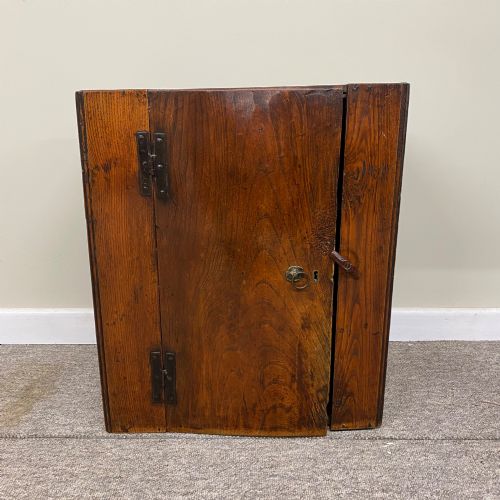
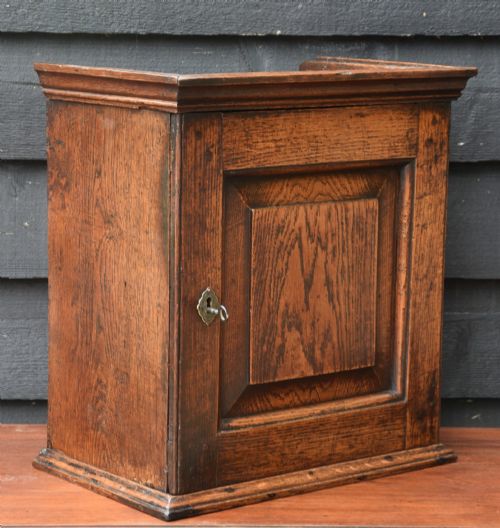
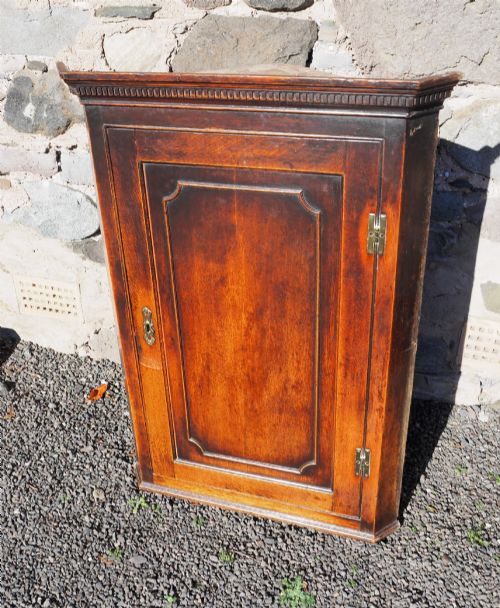
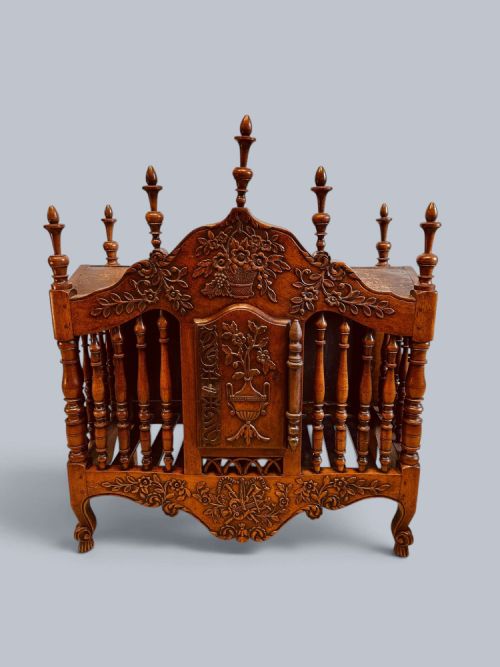
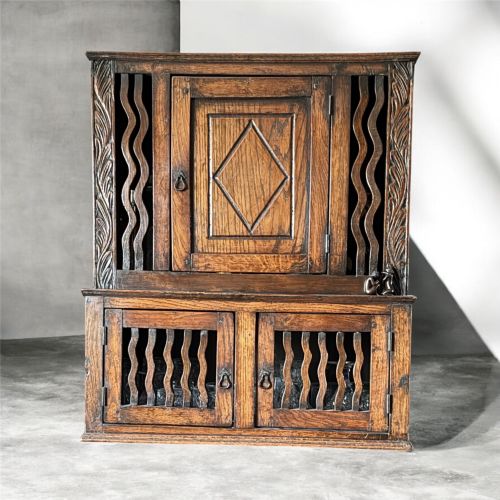
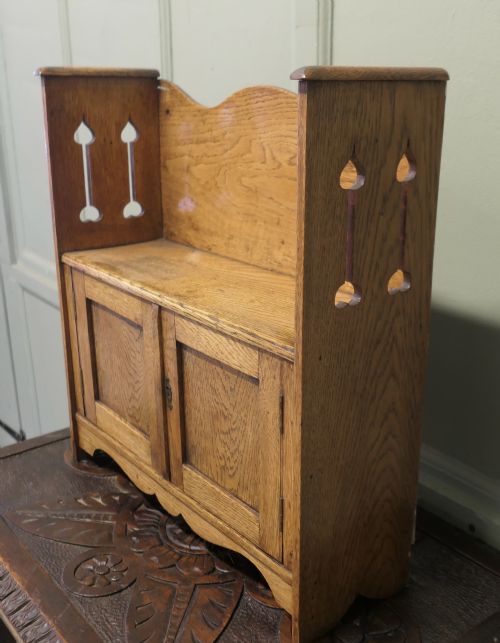
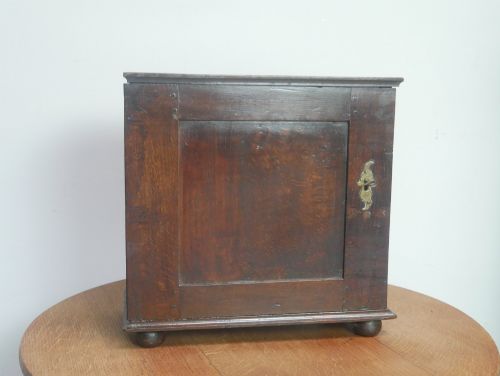
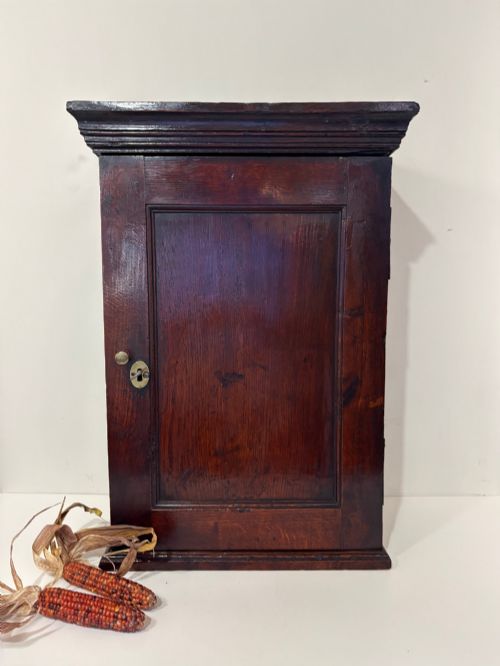


Rustic Wall Cupboard
A rustic wall cupboard brings practical storage and regional character into a room using timber crafted for everyday use.
Rustic Wall Cupboard
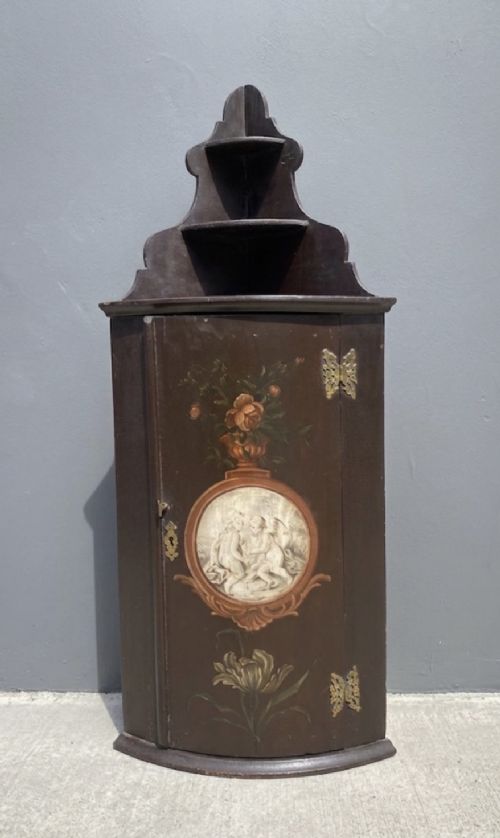
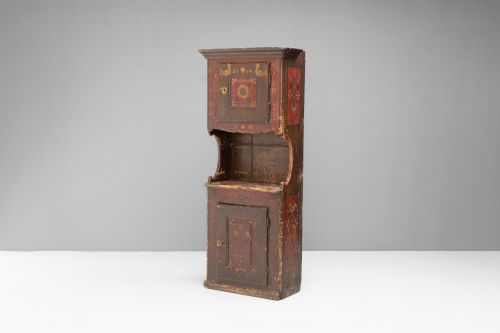
A rustic wall cupboard is a small storage cabinet designed to be hung or mounted upon a wall, freeing up floor space in domestic interiors. When searching for a rustic wall cupboard, buyers encounter various regional forms intended for kitchens, pantries, and living quarters.
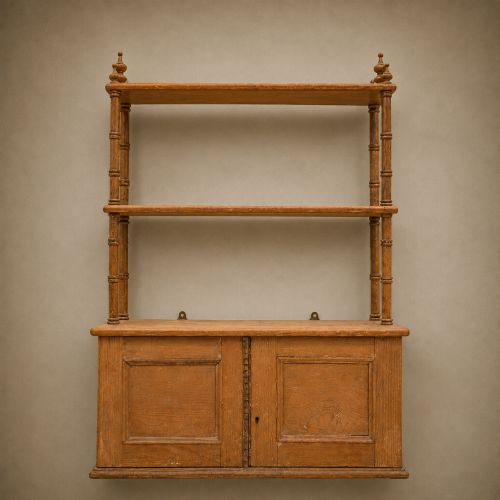
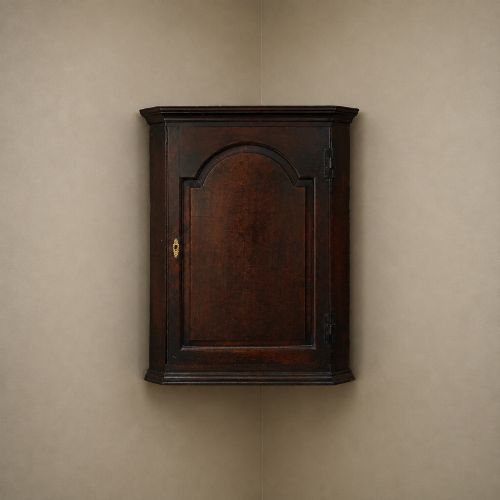
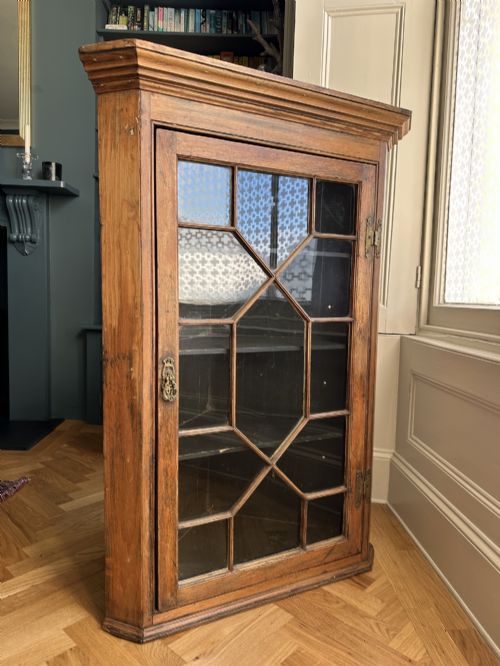
The pieces appearing here span from the eighteenth century to the nineteenth century, encompassing Georgian, Victorian, and continental styles. Corner cupboards and hanging wall cabinets dominate the selection, often taking advantage of awkward spaces in older homes.
Originating from British, French, Scandinavian, and Italian workshops, these cupboards reflect the utilitarian needs of rural households. Oak and pine serve as the primary timbers, frequently displaying the marks of provincial craftsmanship and regional design traits.
Materials and construction methods
Makers relied heavily on solid oak and pine, shaping timbers using hand tools such as drawknives and planes. Joints were typically pegged or dovetailed to withstand the daily strain of storing provisions, spices, or household goods.
Surface treatments varied from waxed natural wood to original painted finishes and layered pigments. Iron hinges, brass escutcheons, and glass panes were added where security or display was required, reflecting the resources available to the local carpenter.
Rustic Wall Cupboard Retail Price Guide 2026
Typical asking prices for rustic wall cupboard among the pieces listed under this phrase on Sellingantiques today, from the lower quarter to the upper quarter. They describe what is for sale here now, not the wider market.
Listings feature oak and pine woods predominantly, spanning the eighteenth and nineteenth centuries with provincial French, Scandinavian, and British origins.
Judging quality in provincial cabinetry
Quality rests upon the integrity of the timber selection and the retention of original surfaces, such as early paint or undisturbed patina. Cabinets constructed with thick, solid boards and well-proportioned panel doors show superior regional craftsmanship.
The survival of original hardware, interior shelving, and backboards distinguishes higher-grade pieces from later alterations. Finer examples maintain crisp mouldings and tight joinery despite decades of domestic use.
The Rustic Wall Cupboard Glossary
- Corner cupboard
- A cabinet specifically constructed with a triangular footprint to fit snugly into the internal corner of a room.
- Spice cupboard
- A diminutive hanging cabinet fitted with multiple internal drawers or small shelves, traditionally used for storing culinary herbs and dry goods.
- Escutcheon
- A protective plate surrounding a keyhole, frequently fashioned from brass or iron to reinforce the wood.
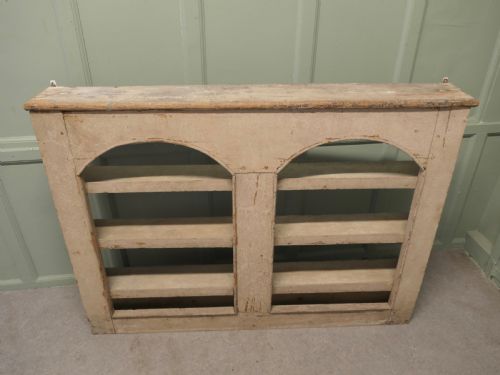
- Panetière
- A specialised French bread store featuring turned spindles or open slats for air circulation, designed to keep loaves fresh.
- Bow front
- A convex, curved cabinet front that projects outward, often seen on Georgian corner cupboards.
Rustic Wall Cupboard: Frequently Asked Questions
Where should I hang a wall cupboard?
These cabinets suit kitchens, dining rooms, and hallways where floor space is limited. Ensure the wall structure can support the weight of solid timber.
Fix the cupboard securely using appropriate fixings suited to the age and material of your walls.
How do I clean an antique painted cupboard?
Dust the surfaces gently with a dry, soft cloth to remove everyday debris. Avoid harsh chemical cleaners that might strip original paint or aged patination.
Consult a conservator if the paint layer shows signs of flaking or active instability.
Were these cupboards meant for kitchens?
Many provincial cabinets served in kitchens, larders, or dining spaces to hold dry goods, spices, and tableware. Smaller spice cupboards kept valuable provisions secure under lock and key.
Regional variations reflect the domestic habits of households across Britain and continental Europe.
How can I tell an eighteenth-century cupboard from a later copy?
Examine the timber shrinkage, tool marks, and construction joints for signs of age. Hand-cut dovetails and pegged frames typically indicate period manufacture.
Original hardware and undisturbed interior surfaces also help confirm the age of the piece.