


Rustic Timber Accent Table
A rustic timber accent table brings grounded character and practical surface space to a room, drawn from centuries of vernacular craftsmanship.
Rustic Timber Accent Table
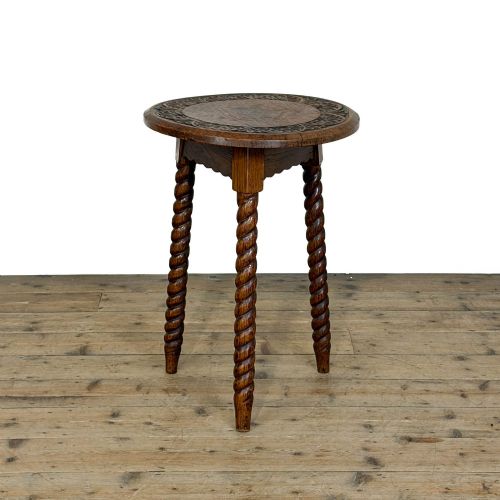
A rustic timber accent table encompasses various low and small occasional surfaces designed for functional placement beside seating or in hallways. When exploring rustic timber accent tables, buyers frequently encounter cricket tables, side tables, lamp tables, and occasional tables spanning multiple centuries.
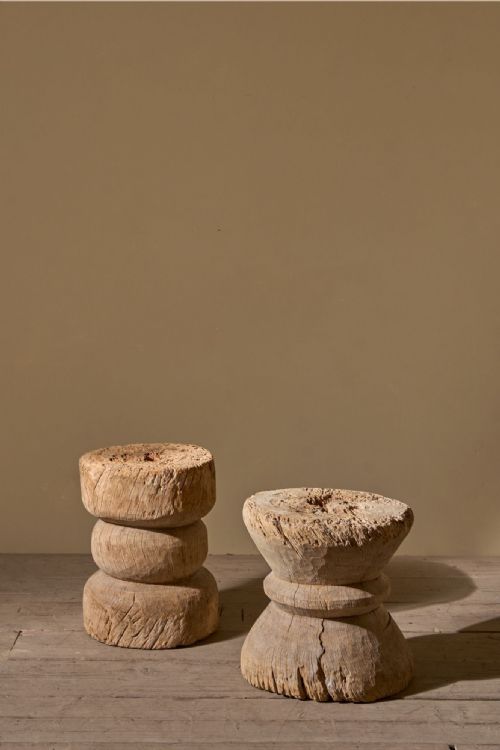
The material selection leans heavily into native timbers like oak, elm, pine, walnut, fruitwood, and yew, often showing honest wear and patination from past use. Origins stretch from English country workshops and Welsh vernacular makers to French provincial and continental creators.
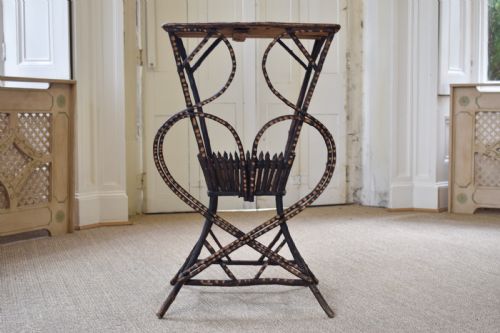
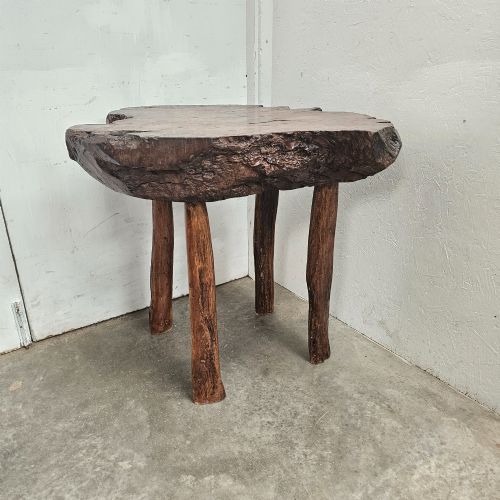
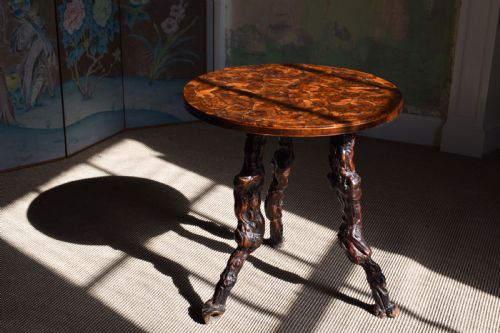
Forms vary from tripod bases with three splayed legs to low coffee tables and sculptural twig or grape vine designs. This category bridges everyday utility with distinct folk art or industrial sensibilities.
Materials and construction methods
Constructed primarily from solid hardwoods and softwoods, these pieces utilise traditional joinery suited to vernacular furniture making. Oak, elm, and pine form the backbone of structural tabletops and sturdy legs, sometimes accented with brass fittings or iron supports.
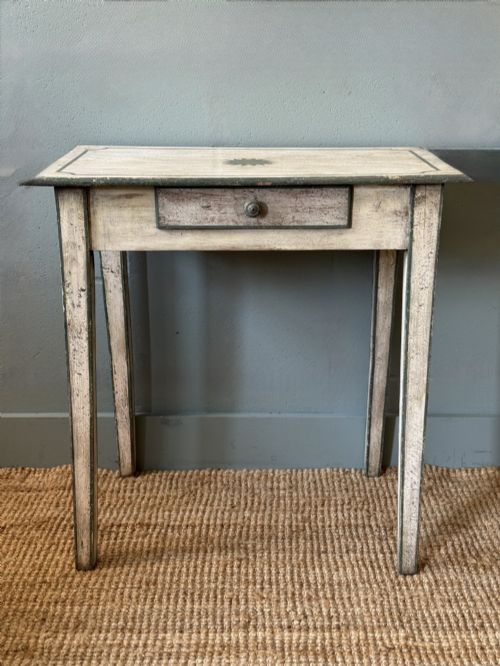
Surfaces display a range of finishes from natural waxed timber and limed oak to historic paint layers and burr veneers. Construction techniques prioritize practicality and strength, resulting in sturdy tripod frames, pegged joints, and handcrafted details.
Distinguishing quality in rustic tables
Quality rests upon the integrity of the timber, the honesty of the patination, and the balance of the proportions. Tables retaining original surface treatments, such as historic paint or deep wax accumulation, hold greater visual and historical coherence.
The construction of the underframe and the stability of the leg joints dictate durability. Refined turning on tripod legs or deliberate sculptural assembly, as seen in twig or burl formations, separates standard utilitarian pieces from exceptional vernacular art.
The Rustic Timber Accent Table Glossary
- Cricket table
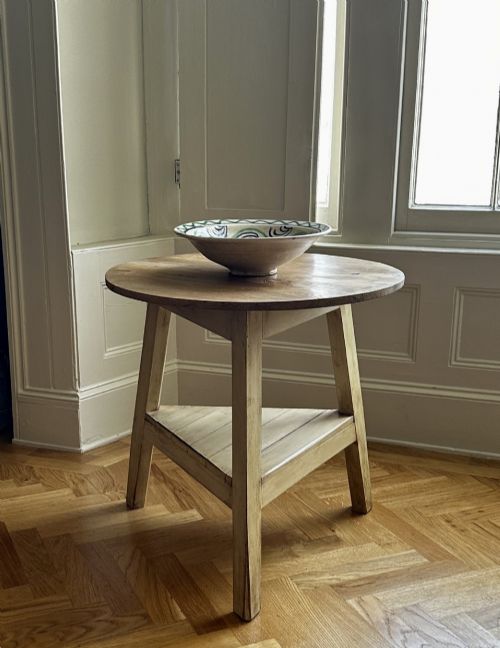
- A small, lightweight occasional table traditionally featuring a round wooden top supported by three splayed legs. This design provided stability on uneven flagstone floors in vernacular homes.
- Patina
- The surface sheen and colour acquired by timber over decades or centuries through handling, waxing, and exposure to light. It signals age and authenticity in antique wood.
- Vernacular furniture
- Everyday objects made by local craftsmen for practical use rather than following high-style academic design. These pieces often utilise regionally available timber.
- Trri-pod base
- A support structure utilising three legs arranged to prevent rocking on uneven surfaces. It is a defining characteristic of many early occasional and cricket tables.
- Burr timber
- A growth distortion in a tree that produces intricate, swirled grain patterns highly prized for decorative tabletops. It adds distinct texture and visual depth to small furniture.
Rustic Timber Accent Table: Frequently Asked Questions
What is a cricket table?
A cricket table is a traditional small occasional table featuring a round top and three splayed legs. The three-legged design ensured the table remained stable on uneven floors in historic homes.
These pieces were used for various domestic tasks, from holding drinking vessels to serving meals, and remain popular for their compact footprint.
Where should I place a rustic accent table?
These tables suit spaces needing surface area combined with organic texture, such as beside a living room armchair or in a hallway. Their modest scale allows them to function as lamp tables, side surfaces, or low coffee tables.
Pairing a primitive timber table with contemporary seating creates a striking contrast that highlights the historic grain and form.
How do I care for antique timber?
Protect antique wood by keeping it away from direct heat sources and strong sunlight, which can dry out the timber and fade the finish. Regular dusting with a soft cloth helps maintain the surface.
Applying a traditional beeswax occasionally nourishes the wood and preserves the accumulated patination without stripping its history.
How can I tell the age of these tables?
Dating relies on examining the timber species, tool marks, construction joints, and the wear patterns on the feet and edges. Earlier pieces often display hand-sawn boards and pegged joinery.
Comparing the form and finish to documented examples helps narrow down the period of manufacture, whether 18th-century vernacular or later 20th-century folk art.