
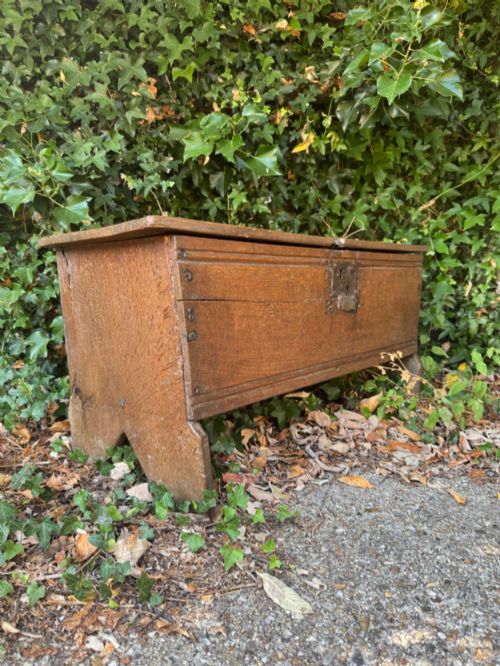
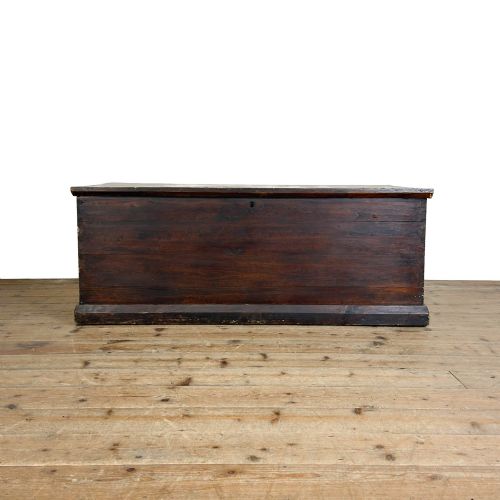
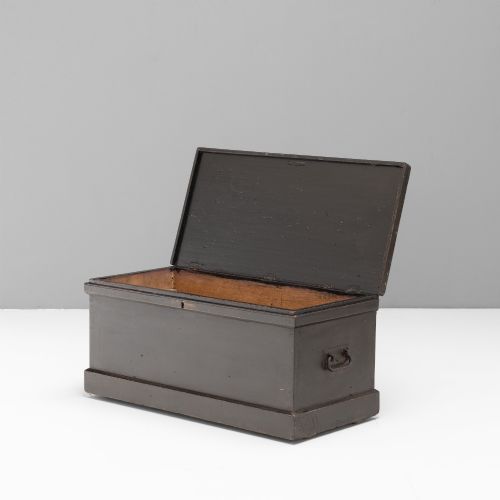
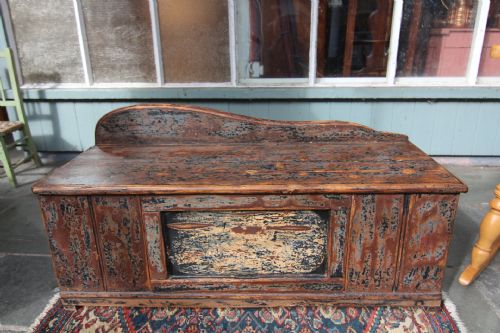
Rustic Storage Coffer
A rustic storage coffer offers robust utility and centuries of domestic history, bringing grounded character to a modern interior.
Rustic Storage Coffer
A rustic storage coffer serves as a traditional vessel for linens, documents, and household goods, defined by a solid chest format with a hinged lid. When searching this phrase, buyers encounter substantial pieces built for everyday utility rather than courtly display.
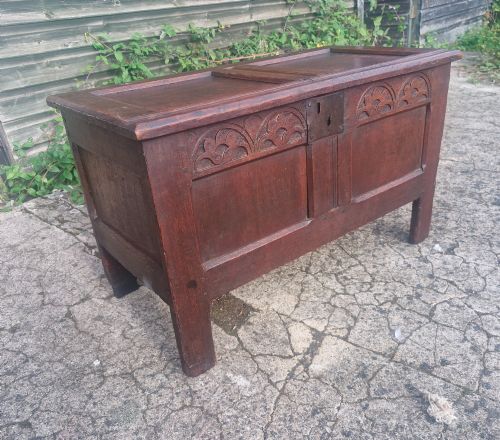
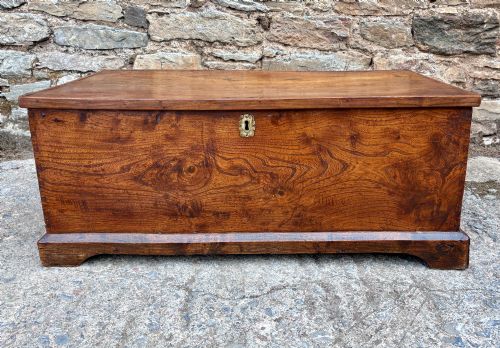
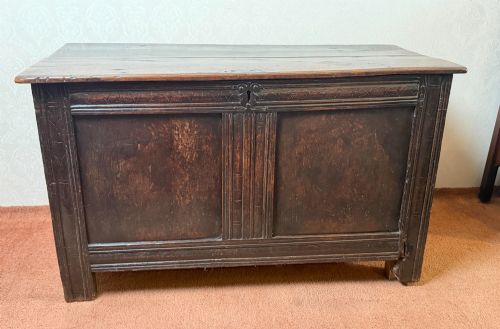
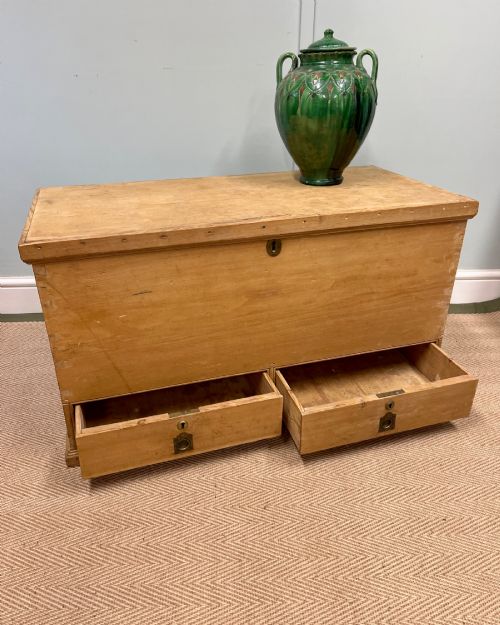
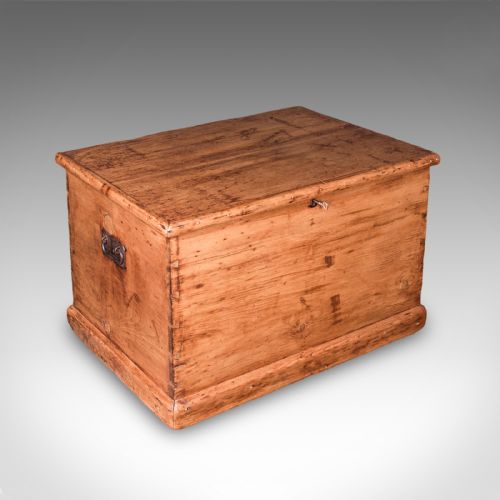
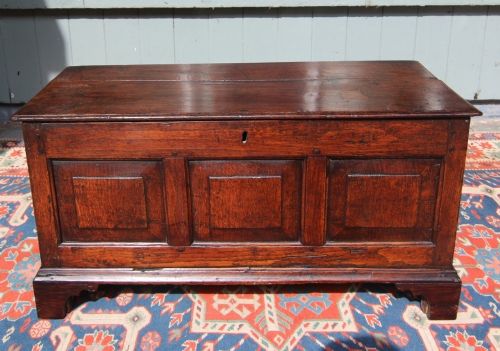
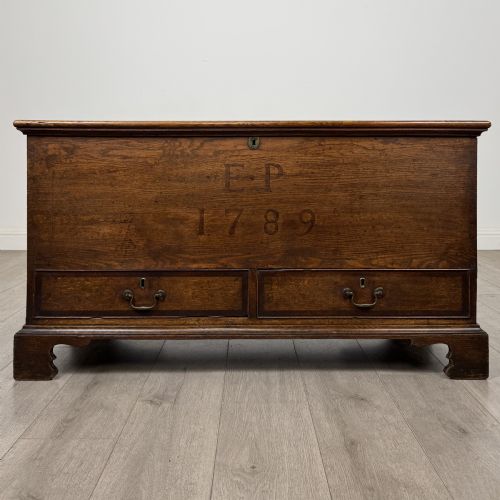
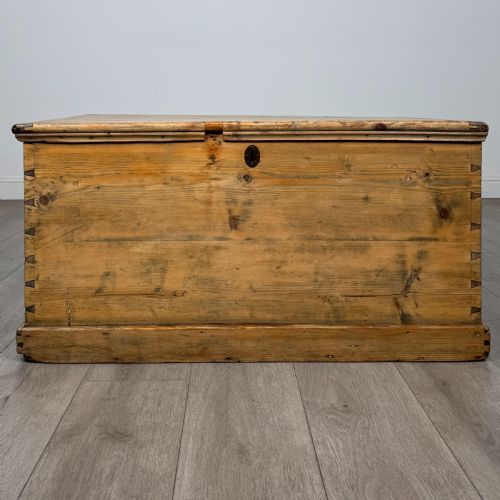
The selections span from seventeenth-century oak panelled examples to nineteenth-century pine blanket boxes and elm chests. Oak and pine dominate the forms, originating from British, Welsh, Scandinavian, and continental workshops.
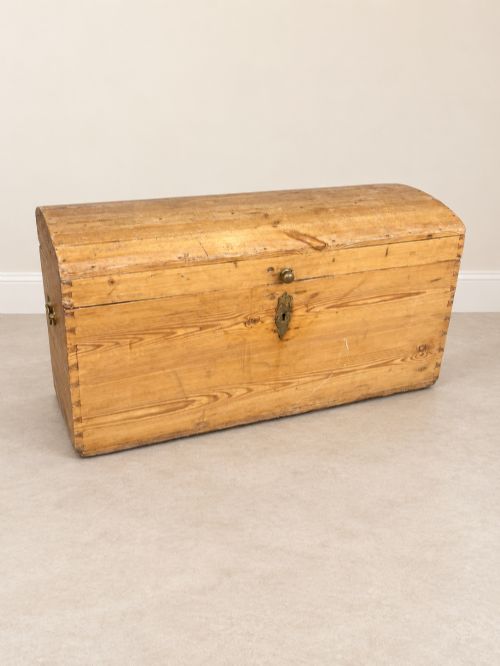
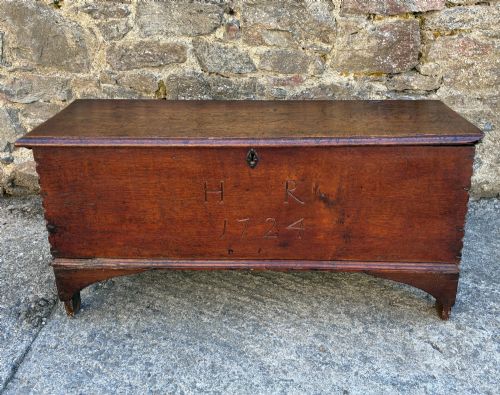
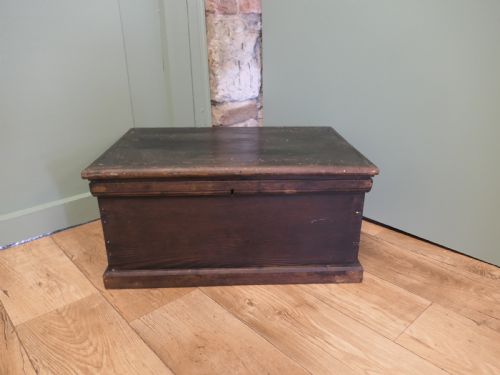
Buyers most frequently meet nineteenth-century pine trunks and eighteenth-century oak coffers on this page. These versions combine plain boarded construction or simple carving with deep storage wells suited to contemporary domestic use.
Materials and construction methods
Timber selection dictates the character of these pieces, relying primarily on native oak, elm, and pine alongside imported teak for certain overseas examples. Carpenters utilised local hardwoods and softwoods to build robust carcasses designed to withstand heavy daily use.
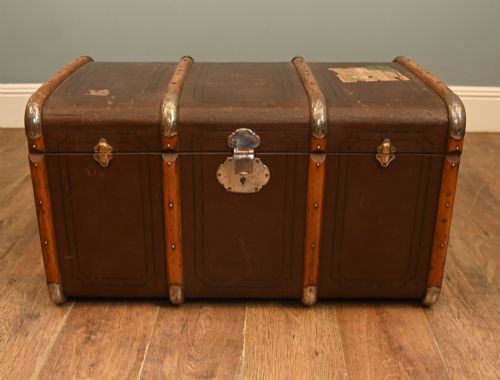
Construction techniques range from six-plank assemblies pinned with wooden dowels to complex frame-and-panel joinery held together by pegging. Makers reinforced corners and lids with hand-forged iron strapwork and brass fittings where extra strength was required.
Listings feature timbers including oak, pine, elm, pitch pine, teak, and Oregon pine, spanning the seventeenth century to the Victorian era.
Distinguishing quality across examples
The integrity of the original timber and the survival of surface patination separate the standard examples from superior pieces. Original hinges, iron strapwork, and untouched board floors elevate a coffer above items with modern replacements.
Carpentry skill defines the upper tier, visible in tightly fitted panel joints, cleanly carved geometric or floral motifs, and well-balanced proportions. Simpler provincial items display rougher tool marks and simpler board construction while retaining their functional utility.
The Rustic Storage Coffer Glossary
- Coffer
- A large wooden chest used for storing valuables, linens, or documents, usually fitted with a hinged lid. Early versions feature heavy panelled construction.
- Blanket box
- A deep chest designed specifically for holding bedding and woollens, commonly constructed from pine or elm during the nineteenth century.
- Six-plank coffer
- A primitive chest constructed from six distinct boards joined simply at the edges with pegs or nails. It represents one of the earliest forms of domestic chest storage.
- Bible box
- A small, sloping-lidded tabletop or wall-mounted box used to store sacred texts and writing materials. These compact pieces often display carved fronts.
- Strapwork
- Ornamental metal bands of iron or brass fixed across the exterior of a chest to reinforce the joints and protect the timber. Hand-forged examples add significant decorative character.
- Dowry chest
- A large storage box commissioned for a bride to hold her household linens and personal possessions prior to marriage. Examples span multiple regional traditions from Wales to India.
Rustic Storage Coffer: Frequently Asked Questions
How were these coffers used originally?
These pieces served as secure household storage for textiles, valuable documents, and personal belongings before fitted wardrobes became common.
Their sturdy flat lids also allowed them to function as benches, tables, or temporary sleeping berths in modest homes.
Can I use a coffer as a coffee table?
Many buyers repurpose these chests as coffee tables because their flat lids provide a stable surface for books and daily items.
Their internal cavity simultaneously conceals clutter while keeping blankets and games easily accessible.
How do I date an oak coffer?
Dating relies on observing construction methods, joinery types, and the evolution of decorative carving styles across different centuries.
Early seventeenth-century pieces use pegged frame-and-panel assembly, whereas later nineteenth-century variations often employ simpler board configurations.