

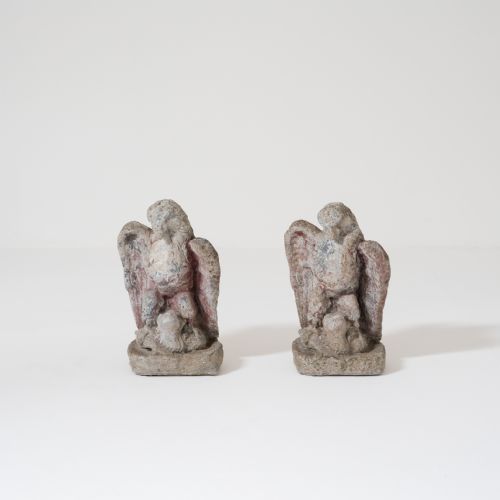


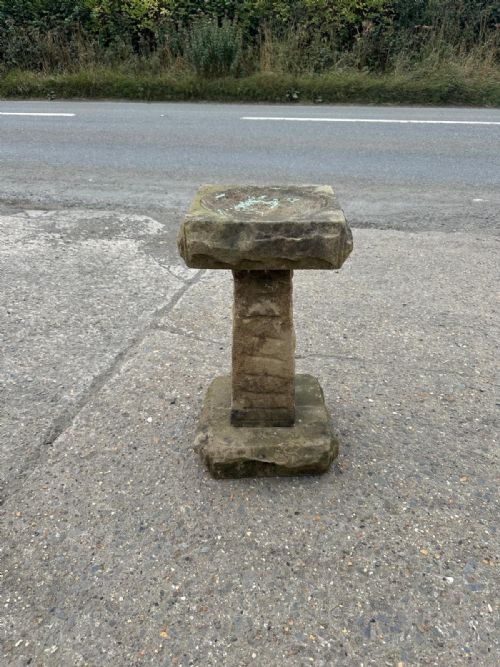

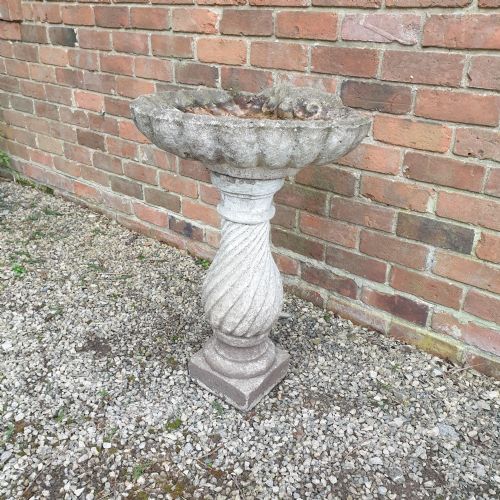


Rustic Stone Garden Ornament
A rustic stone garden ornament brings weathered texture and utility to exterior spaces through time-worn troughs, staddle stones, and bird baths.
Rustic Stone Garden Ornament
A rustic stone garden ornament is an architectural or utilitarian piece shaped from natural rock, designed to weather in an outdoor setting over generations. These items serve both practical functions and decorative roles within traditional gardens.
The selections available here lean heavily toward eighteenth and nineteenth-century vernacular forms, particularly Cornish granite staddle stones and sandstone troughs. Buyers frequently encounter utilitarian agricultural pieces adapted for landscape decoration.
Beyond staddle stones, the inventory encompasses mill wheels, bird baths carved from Purbeck stone, and boot scrapers from the late Georgian period. Each object carries the marks of heavy labour before finding a second life outdoors.
How they were made
Masons shaped these pieces using hand tools on local materials such as granite, sandstone, limestone, and Purbeck stone. Quarrying methods relied on wedges and hammers, leaving tool marks that remain visible across the surfaces.
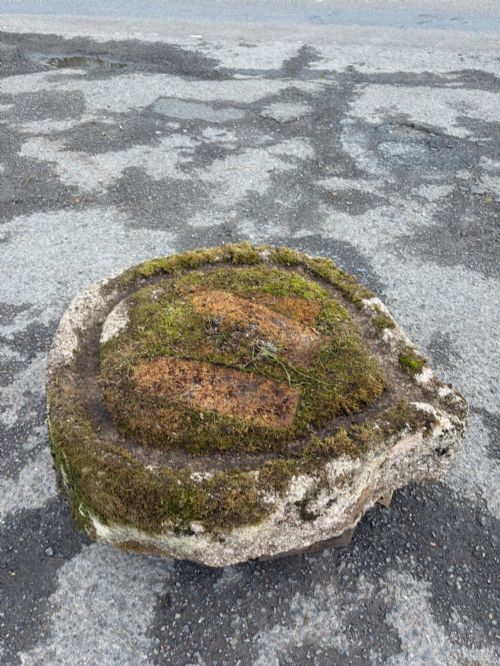
Utility dictated the construction of agricultural items like staddle stones and troughs, which required dense rock to withstand moisture and weight. Over decades, exposure to weather encouraged the growth of natural moss and lichen on the stone.
Rustic Stone Garden Ornament Retail Price Guide 2026
Typical asking prices for rustic stone garden ornament among the pieces listed under this phrase on Sellingantiques today, from the lower quarter to the upper quarter. They describe what is for sale here now, not the wider market.
Listings feature structural garden elements from the eighteenth and nineteenth centuries, alongside early twentieth-century stoneware figures.
What varies in quality
Proportion and scale distinguish agricultural survivals, where well-balanced caps and bases on staddle stones command greater visual weight. The depth of patination, earned through continuous outdoor exposure, separates older surfaces from later replacements.
The Rustic Stone Garden Ornament Glossary
- Staddle stone
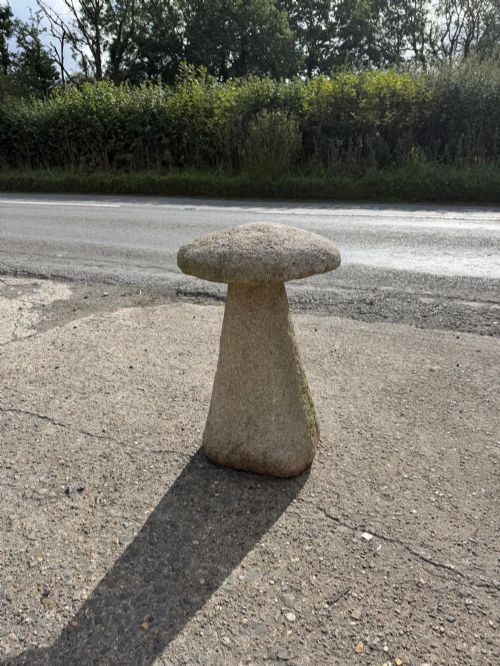
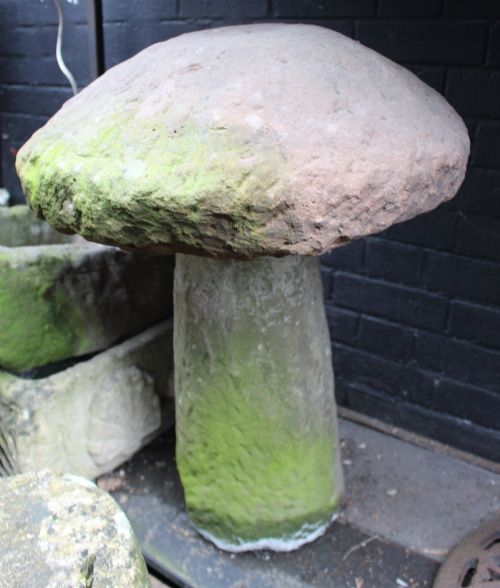
- A mushroom-shaped stone support formerly used to raise granaries and barns above damp ground. They consist of a base and a separate cap.
- Granite
- A hard igneous rock composed mainly of quartz, mica, and feldspar. It resists weathering exceptionally well.
- Boot scraper
- A small iron or stone fixture placed near doorways for cleaning mud from footwear. Georgian examples are typically anchored in stone bases.
- Patina
- The surface texture and coloration developed by stone through age and weathering. Lichen and moss growth often contribute to this finish.
Rustic Stone Garden Ornament: Frequently Asked Questions
What is a staddle stone used for?
Staddle stones originally supported wooden granaries to keep stored grain dry and safe from rodents. The mushroom cap design prevented pests from climbing up the base.
Today, they function purely as architectural ornaments in gardens, valued for their ancient, weathered appearance and sculptural form.
How do I care for antique garden stone?
Antique stone requires very little maintenance because it is naturally hardy and built to withstand outdoor elements. Avoid harsh chemical cleaners that strip away natural moss and lichen.
Allow the weather to continue the weathering process naturally, ensuring drainage holes in troughs remain clear of debris.
How can I tell the age of a stone ornament?
Age is determined by tool marks, material composition, and the depth of the weathering patination. Hand-chiselled granite and sandstone show irregularities absent in modern machine-cut stone.
Provenance and specific regional stone types, such as Cornish granite or Purbeck stone, also point to particular centuries of production.
Can antique troughs be used for planting?
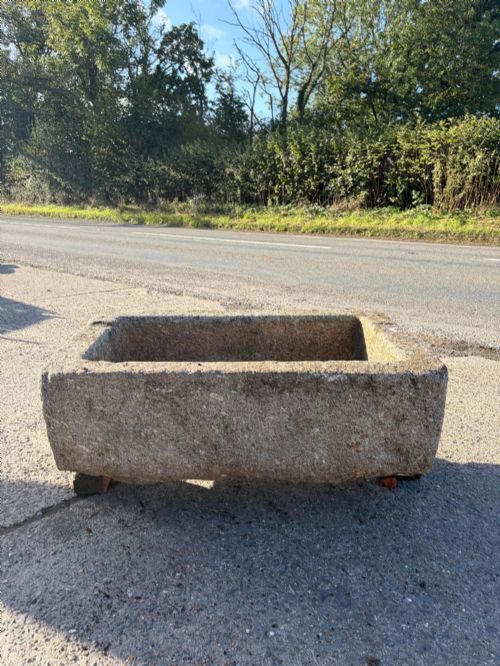
Antique stone troughs make excellent planters for alpines, miniature conifers, and slow-growing perennials. Their deep stone walls protect plant roots from sudden temperature fluctuations.
Ensure proper drainage by checking that any original drainage hole is unblocked before adding soil.