

Rustic Sideboard Base
A rustic sideboard base anchors a country kitchen, offering sturdy storage and a broad working surface built for daily culinary tasks.
Rustic Sideboard Base
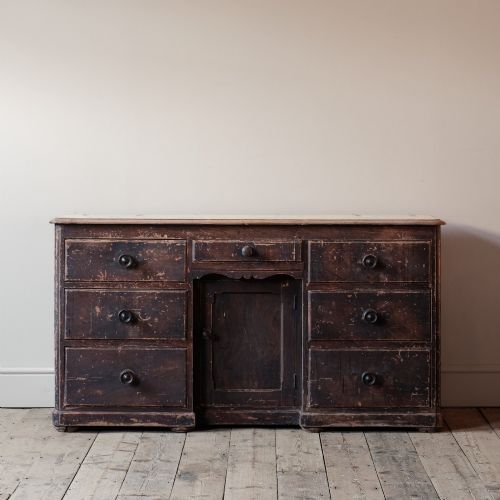
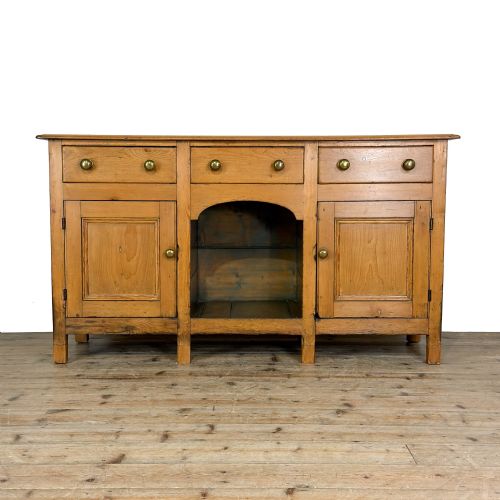
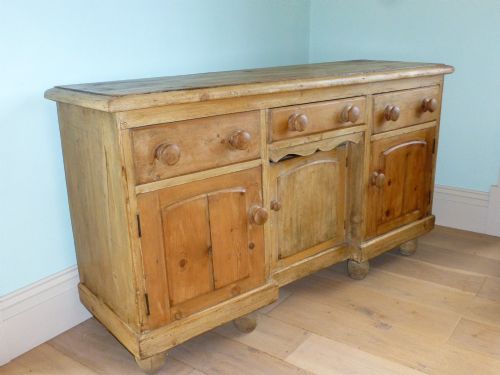
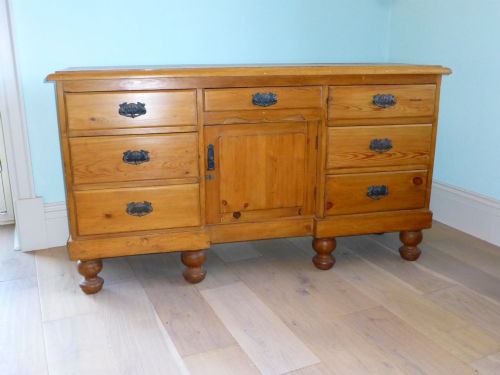
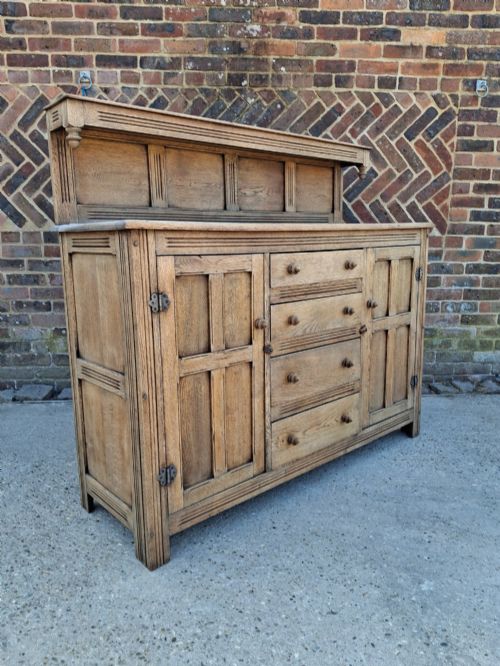
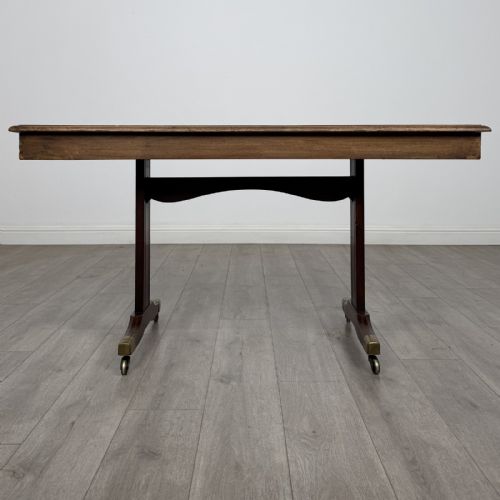
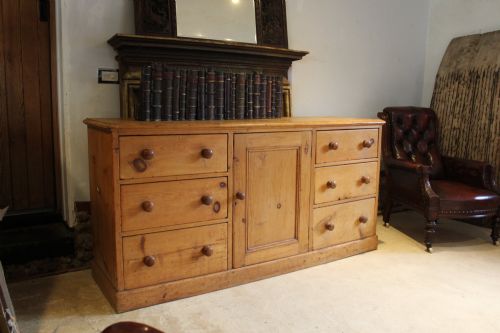
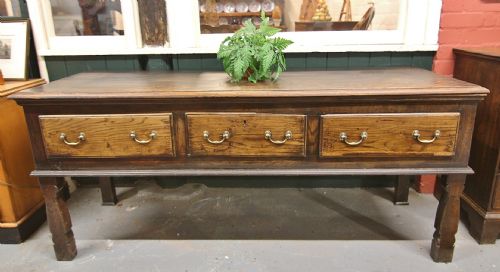
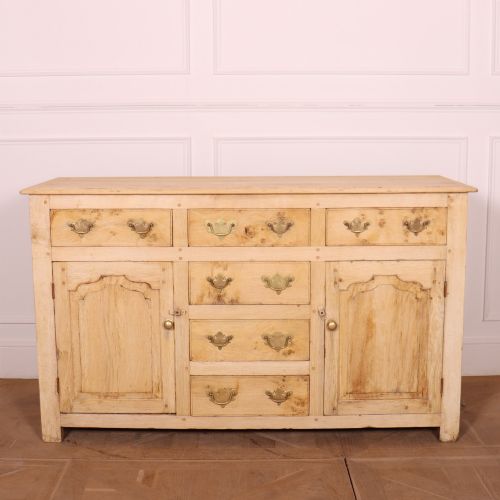
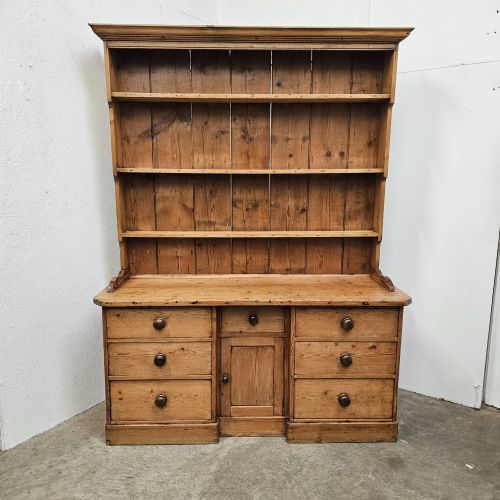
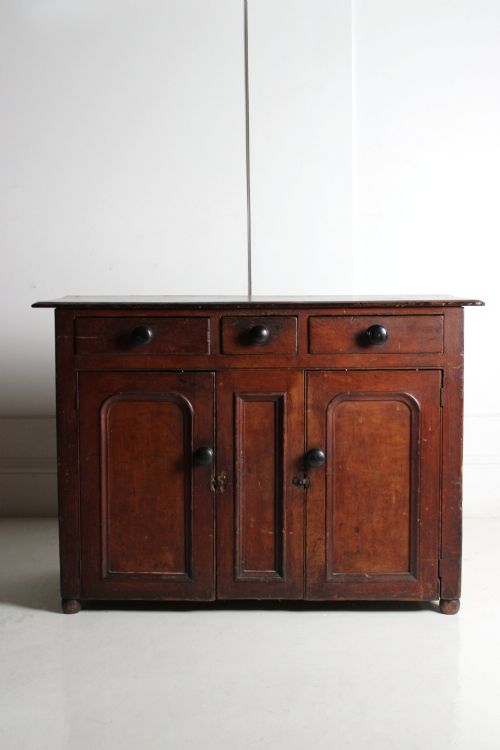
A rustic sideboard base functions as the lower half of a traditional kitchen dresser or as a standalone low cupboard designed for practical storage. When searching for a rustic sideboard base, buyers encounter substantial timber constructions intended for utility rather than formal display.
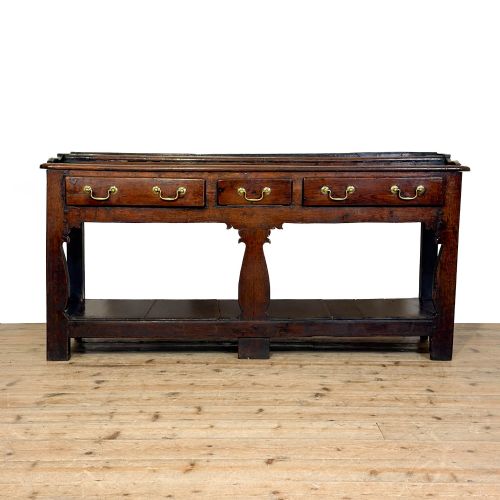
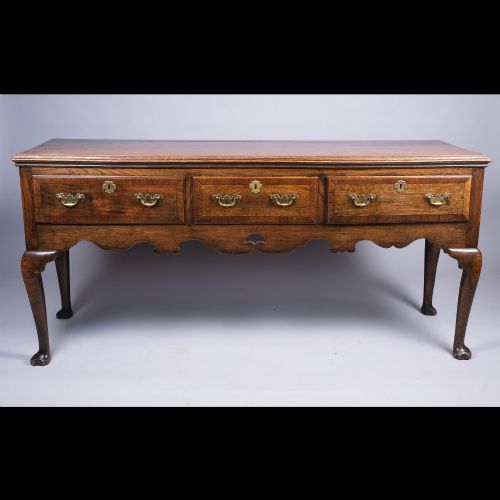
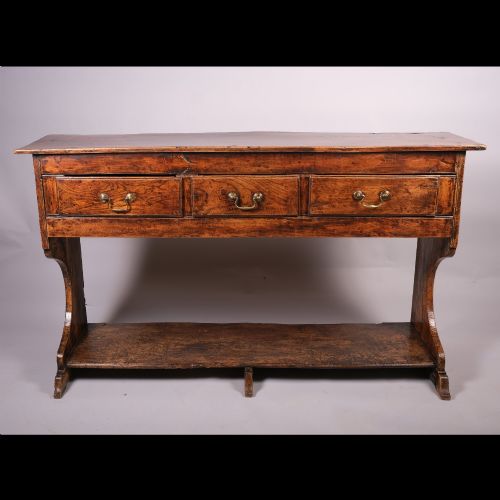
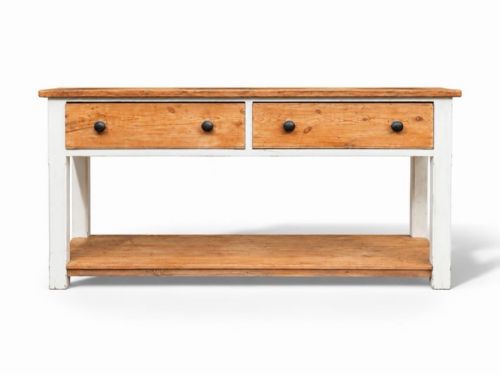
The pieces appearing here span the eighteenth, nineteenth, and early twentieth centuries, reflecting utilitarian domestic furniture from rural Britain and France. Examples include oak Welsh pieces, pine farmhouse cupboards, and French provincial serving tables with lower potboards or banks of drawers.
Most items present simple working surfaces above two or more drawers or panelled doors, often retaining original paint or aged wax finishes. These sturdy forms served generations of rural households for food preparation and storage before entering modern homes.
Construction and materials
Local cabinet makers built these utility pieces predominantly from solid oak and pine, choosing timber for its local availability and structural strength. Carpenters joined heavy planks using pegged mortise and tenon joints to withstand the heavy loads of domestic service.
Secondary timbers such as sycamore appear in working surfaces, while iron and brass hardware provides functional hinges and ring pulls. Many pine examples carry layers of historic paint, whereas oak surfaces typically display deep patination built up through centuries of waxing.
Rustic Sideboard Base Retail Price Guide 2026
Typical asking prices for rustic sideboard base among the pieces listed under this phrase on Sellingantiques today, from the lower quarter to the upper quarter. They describe what is for sale here now, not the wider market.
The inventory includes regional variations such as Welsh dresser bases and French provincial enfilades alongside standard farmhouse cupboards.
Judging quality and proportion
Quality in these utilitarian items rests on structural integrity, the depth of timber patination, and the retention of original hardware and feet. Untouched surfaces bearing the marks of active domestic use distinguish superior examples from heavily restored or altered pieces.
Proportion and timber selection separate regional vernacular work from standard workshop production, with denser grain and finer mouldings indicating careful craftsmanship. The presence of original backboards, drawers that run smoothly, and intact potboards adds significantly to the integrity of the base.
The Rustic Sideboard Base Glossary
- Dresser base
- The lower section of a traditional kitchen dresser, featuring a flat top above drawers or cupboards.
- Potboard
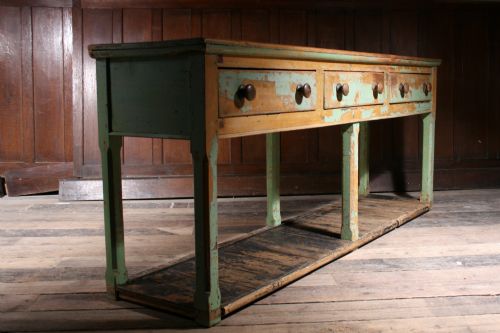
- An open slatted lower shelf fitted between the legs of a dresser base, historically used for storing heavy pots and pans.
- Enfilade
- A long sideboard or buffet featuring a continuous line of multiple doors, commonly found in French provincial dining rooms.
- Welsh dresser
- A regional form of kitchen furniture traditionally associated with Wales, combining substantial timber drawers and cupboards with open shelving above.
- Patina
- The lustrous surface finish developed on wood over long periods through handling, polishing, and natural ageing.
Rustic Sideboard Base: Frequently Asked Questions
What is a rustic sideboard base used for?
These low wooden cupboards serve as kitchen islands, sideboards, or hall storage units, providing generous surface space and deep drawers for everyday items.
Their solid construction makes them suitable for daily domestic use while adding traditional character to modern dining areas and kitchens.
How do I care for an old pine or oak base?
Maintain the wood by applying natural beeswax periodically to nourish the dry timber and protect the aged surface from moisture.
Avoid placing antique wooden furniture near direct heat sources to prevent the historic boards from splitting or warping over time.
How can I tell an eighteenth century base from a later one?
Early pieces from the seventeen-hundreds typically feature hand-cut joints, pegged construction, and distinct hand-planed board variations across the top and sides.
Nineteenth and twentieth-century examples often incorporate machine-sawn timber, standardised fixings, and different interior framing methods.
What is the difference between a sideboard and a dresser base?
A dresser base was originally designed to support a detachable plate rack superstructure, resulting in a deeper and heavier timber frame.
Standard sideboards are generally manufactured as independent units intended solely for serving food and storing dining room linens.