







Rustic Shop Display
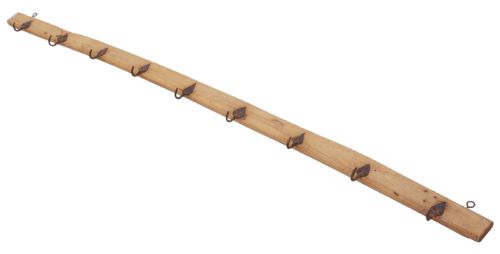
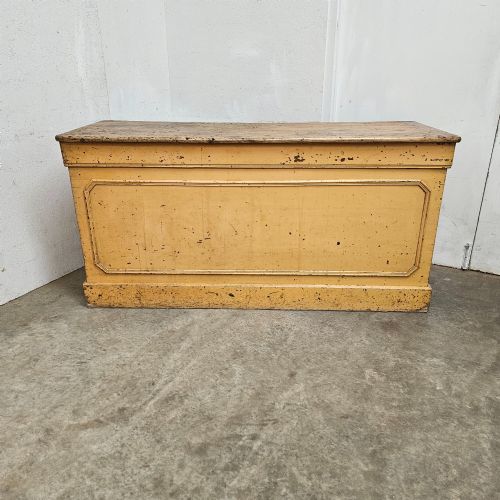
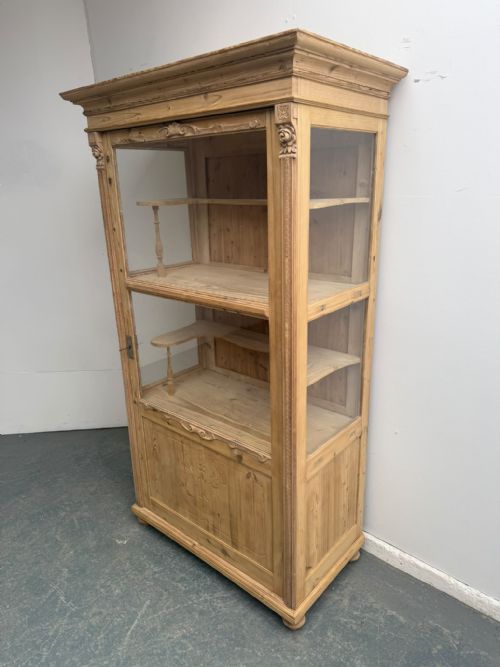
A rustic shop display brings utilitarian character into a room, offering practical storage through weathered pine, iron, and painted softwood.
Rustic Shop Display
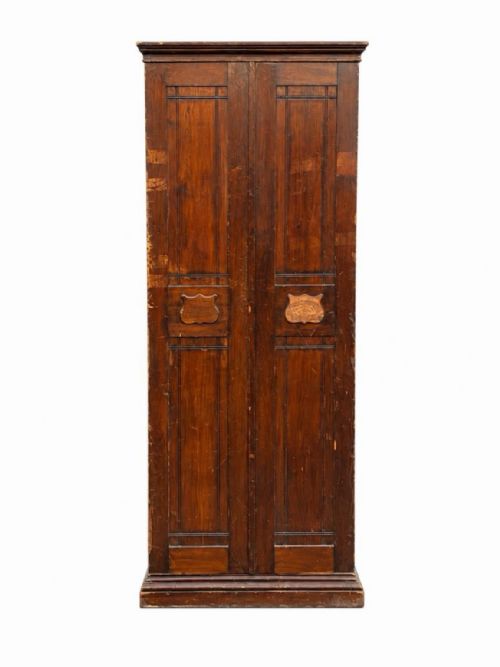
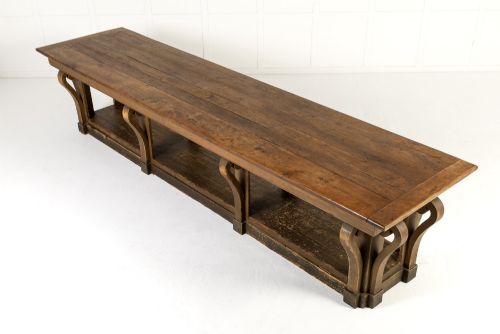
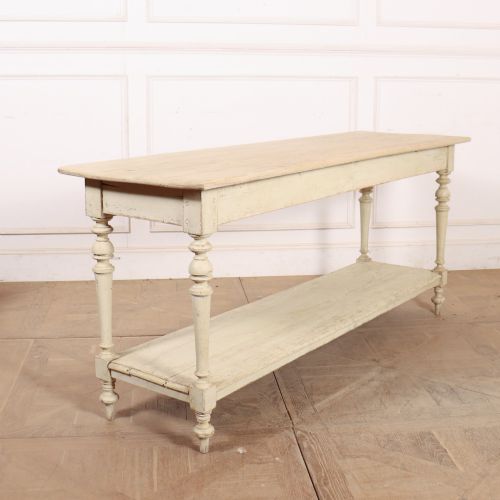
When you search for rustic shop display, you are looking at trade furniture and fittings from the eighteenth century to the early twentieth century. These items include drapers tables, countertop display cabinets, shop counters, dairyware, and wall racks used in historical commerce. French provincial and Victorian country styles predominate, often featuring original paint finishes.
The pieces on this page span the 1800s, Victorian era, Edwardian period, and the 1920s and 1930s. You will encounter utilitarian forms such as pine shop fittings, epicerie steps, and tailors tables alongside decorative items like carved wooden sculptures and advertising signs.
Materials and construction
Makers utilised solid woods such as pine, oak, and painted softwood alongside wrought iron and glass. Surfaces often received layers of paint, sometimes distressed or preserved in an original white or painted finish.
Construction methods reflect functional trade use, utilising heavy timbers, joined shelving, and durable hardware like iron game hooks and dairy pails. Joinery prioritises sturdiness for commercial environments over delicate cabinetmaking.
Rustic Shop Display Retail Price Guide 2026
Typical asking prices for rustic shop display among the pieces listed under this phrase on Sellingantiques today, from the lower quarter to the upper quarter. They describe what is for sale here now, not the wider market.
Materials documented across the pieces include pine, painted softwood, oak, wrought iron, and glass.
Distinctions in quality
Quality in a rustic shop display rests upon the integrity of the original trade surface and the honesty of the timber. Pieces retaining authentic painted finishes or bleached oak patination stand apart from heavily altered examples.
Structural proportions and the presence of original hardware, such as glass panes in display cabinets or iron hooks on rack systems, determine the caliber of the piece. Utility and original commercial context remain paramount.
The Rustic Shop Display Glossary
- Drapers table
- A wide, long table historically used in fabric shops for measuring and displaying textiles. They typically feature utilitarian wooden tops and substantial bases.
- Epicerie steps
- Tiered shelving units originating in French grocery shops for displaying provisions. Their stepped design allows goods to be viewed clearly.
- Softwood
- Timber from conifer trees, such as pine, commonly used in utilitarian trade furniture and frequently painted. It offers a lighter weight than hardwoods.
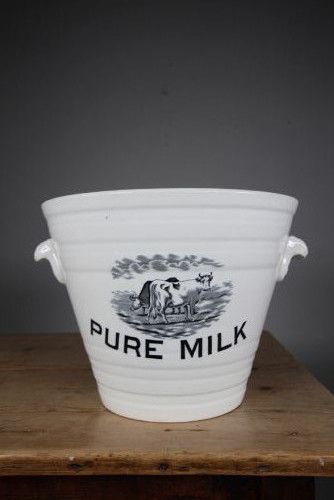
- Dairy ware
- Utilitarian vessels and equipment used in milk processing and agricultural commerce. Items like ironstone pails are robust and functional.
Rustic Shop Display: Frequently Asked Questions
What is a rustic shop display?
A rustic shop display encompasses trade furniture and fittings sourced from historical retail environments. These include counters, drapers tables, cabinets, and steps.
Built for daily commercial use, they combine sturdy construction with utilitarian charm. Materials typically feature pine, oak, iron, and painted softwood.
How were drapers tables used?
Drapers tables served as central work surfaces in fabric and textile shops. Merchants used the broad surface area to fold, measure, and display cloth to customers.
Today, their generous proportions and sturdy wooden builds make them versatile for modern domestic interiors as islands or sideboards.
How do I identify a Victorian shop fitting?
Victorian shop fittings often utilise dense pine or oak, sometimes finished with layered paint or left in a natural state. Look for robust joinery and functional design suited to nineteenth-century commerce.
Details like original glazed doors or painted surfaces help anchor pieces to the Victorian period.
Can I use trade furniture at home?
Trade furniture integrates easily into domestic spaces due to its practical storage and display capacities. Cabinets, tables, and racks provide functional utility alongside distinct historical character.
Their robust construction ensures they withstand everyday modern use while adding architectural interest to a room.