
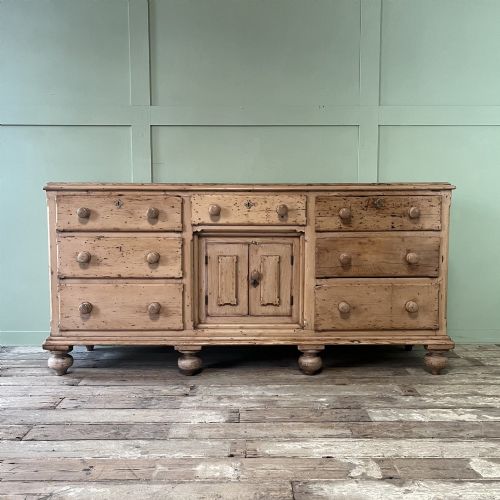
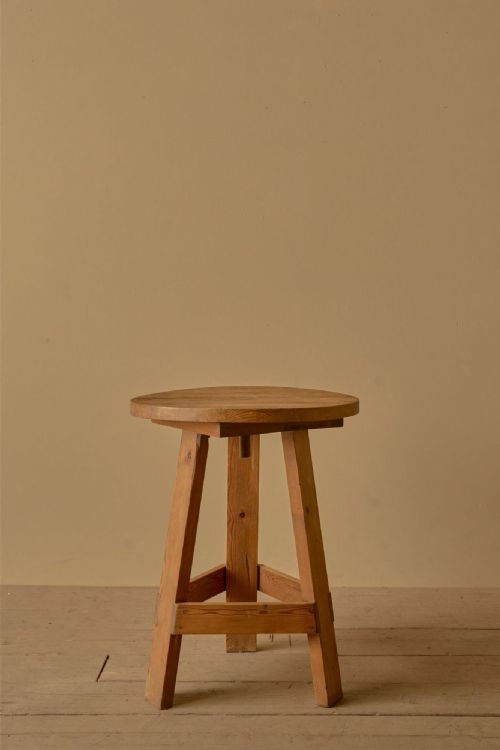
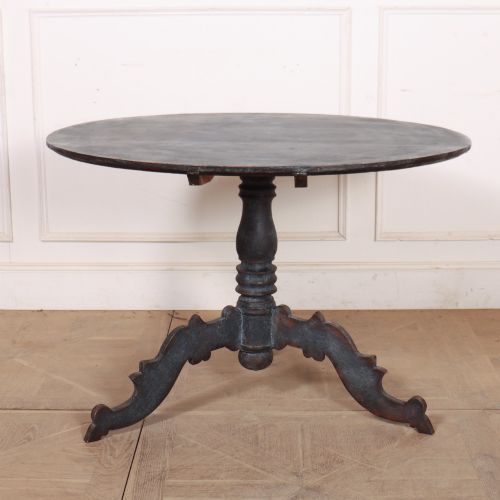
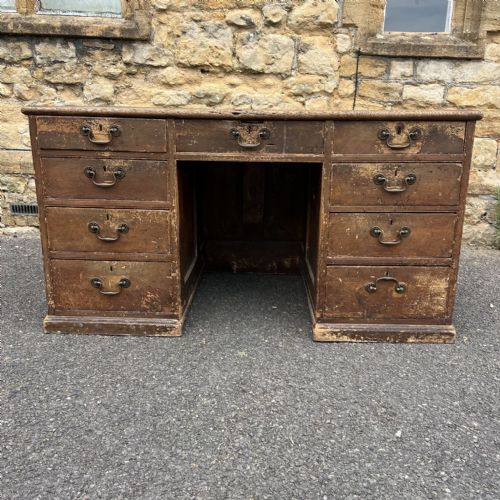




Rustic Pine Pedestal
These rustic pine pedestal pieces bring honest working timber and sturdy proportions to any room.
Rustic Pine Pedestal
A rustic pine pedestal brings straightforward utility and robust timber construction into everyday spaces. These pieces emerge from periods spanning the Georgian era through to the early twentieth century, showing straightforward country and utilitarian forms.
Buyers seeking a rustic pine pedestal frequently encounter substantial structural elements, turned or panelled supports, and utilitarian surfaces designed for practical daily use. The selection includes items originating from English and Scandinavian country traditions.
The objects catalogued under this search span a variety of larger functional forms including sculptors stands, writing desks, and centre tables. While specific pedestal tables appear directly, the broader selection demonstrates how pine and mixed timbers served demanding workspaces and domestic interiors alike.
Materials and construction methods
Construction relies heavily on solid pine, frequently combined with secondary timbers such as oak, sycamore, and iron for added durability. Surfaces often show historic painted finishes, ranging from early black paint to weathered layers.
Joinery techniques reflect traditional workshop practices of the eighteenth, nineteenth, and early twentieth centuries. Makers utilised sturdy panels, pegged joints, and robust turnings to support heavy use in kitchens, studios, and offices.
Listings incorporate items built from pine, oak, sycamore, and iron, spanning the eighteenth to the early twentieth century.
Judging quality and character
Quality in these pieces rests upon the integrity of the timber, the honesty of the construction, and the depth of surface patination. Original painted finishes or honest unpainted surfaces with natural grain movement command higher regard than later alterations.
Proportion and scale distinguish finer utilitarian examples from more ordinary workshop items. A well-balanced pedestal stand or desk displays thoughtful construction details alongside the authentic wear of working life.
The Rustic Pine Pedestal Glossary
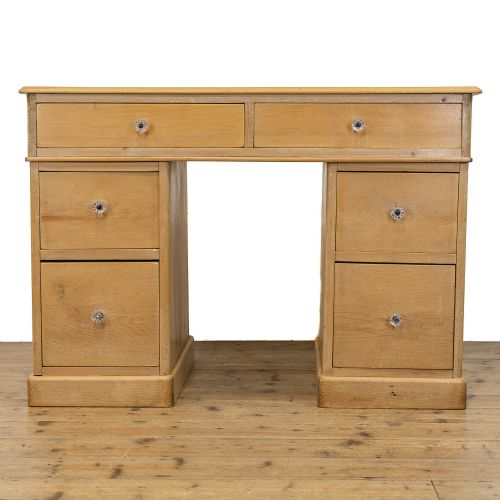
- Pedestal
- A structural support or base holding up a heavier object such as a table top or sculptor stand. It provides stability and centres the weight of the piece.
- Refractory
- A long, narrow dining table design built for communal dining halls and large country kitchens. These pieces feature sturdy underframes to support substantial pine tops.
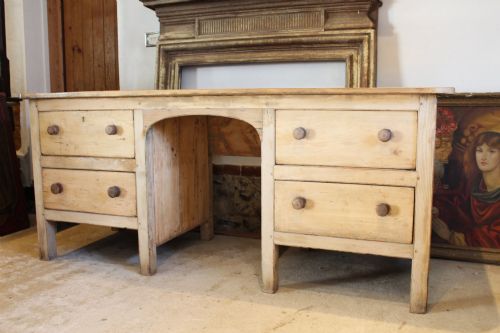
- Kneehole desk
- A writing table featuring a central recess for the legs, flanked by banks of drawers or cupboards. They offer practical workspace combined with enclosed storage.
- Pitch pine
- A resinous, durable variety of pine often utilised for nineteenth-century furniture and architectural joinery. It displays a pronounced grain pattern and tough surface resilience.
- Patina
- The surface sheen and colour acquired by wood and paint through decades of handling, light exposure, and polishing. It serves as a visual indicator of age and history.
Rustic Pine Pedestal: Frequently Asked Questions
What periods do these pine pieces come from?
The listings span from the eighteenth century through the Victorian era up to the early twentieth century. This includes specific dates and style markers like Georgian and Victorian country.
Each period brings distinct construction methods and surface treatments, reflecting the utilitarian needs of the workshops that produced them.
How were these tables and desks used originally?
Many items served practical working roles in studios, estate offices, and large country kitchens. Sculptors stands held heavy working models, while estate desks and dressers organised paperwork and provisions.
Their robust construction was built to withstand demanding daily labour rather than simply serve decorative functions.
Are the painted finishes original?
Surfaces show a range of treatments from historic black paint and layered country colours to bare waxed pine. Some pieces retain early or original paint layers that have aged naturally over time.
Others present surfaces intended for ongoing maintenance like waxing or repainting by the owner.
How do I care for antique pine furniture?
Protect the timber by avoiding placement near direct heat sources or strong sunlight which can dry out the old wood. Regular gentle dusting and occasional appropriate waxing will help preserve the surface.
Allow the natural character and existing patina to show rather than attempting harsh chemical cleaning.