
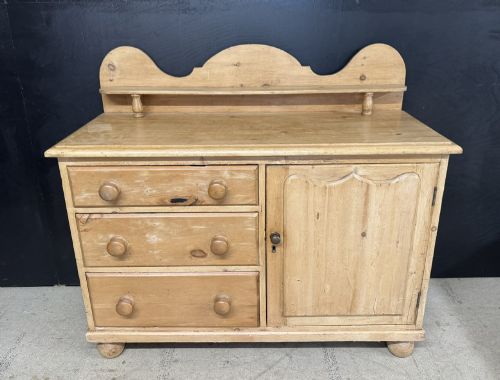
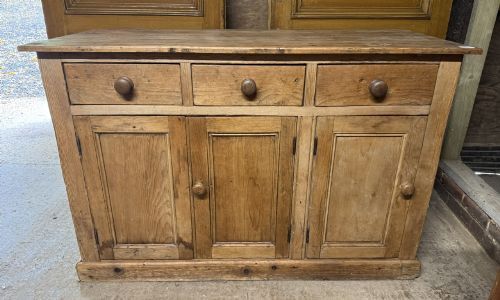
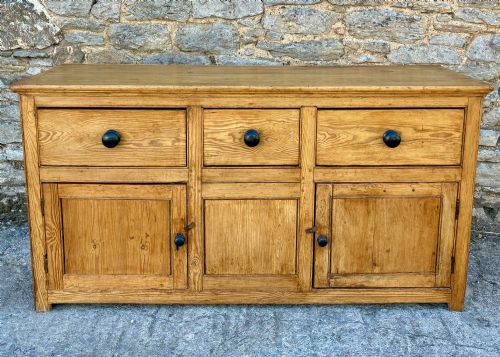
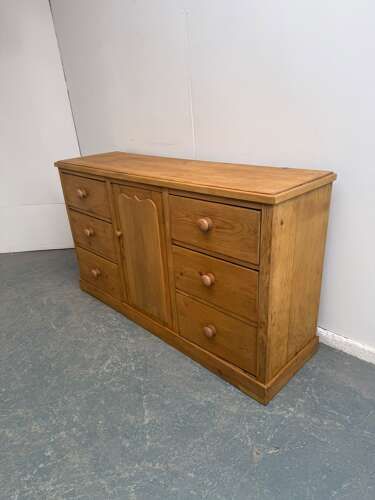

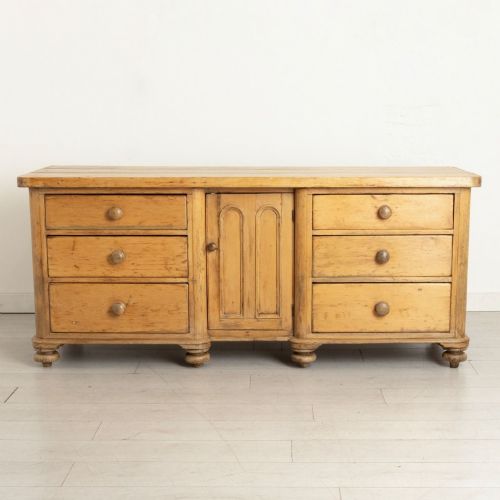
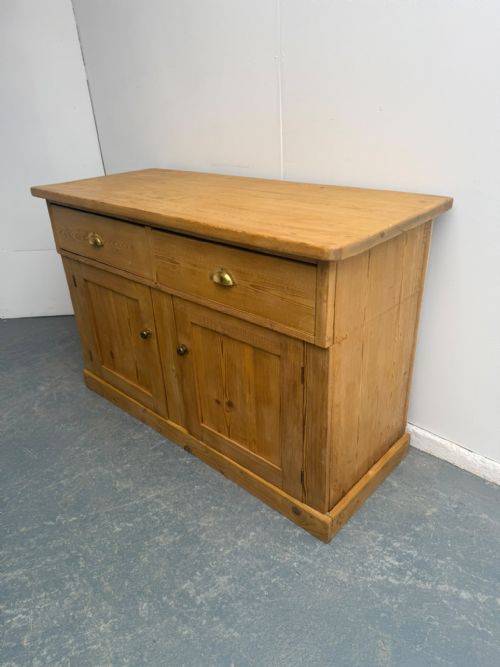
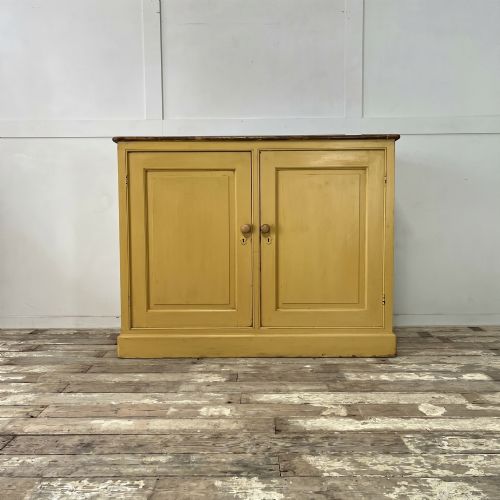
Rustic Pine Buffet Cabinet
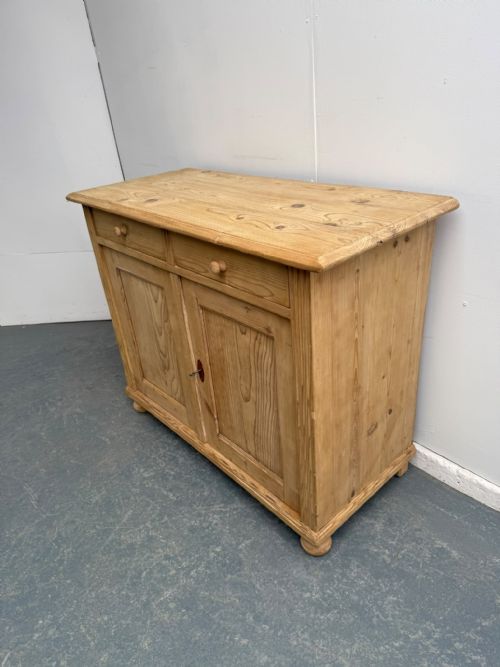
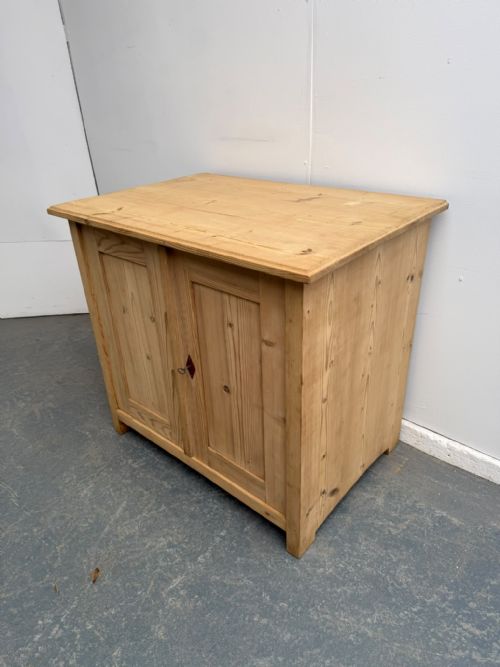
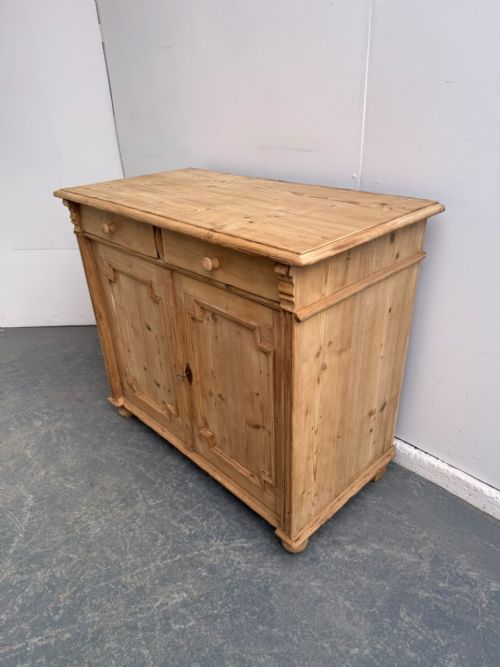
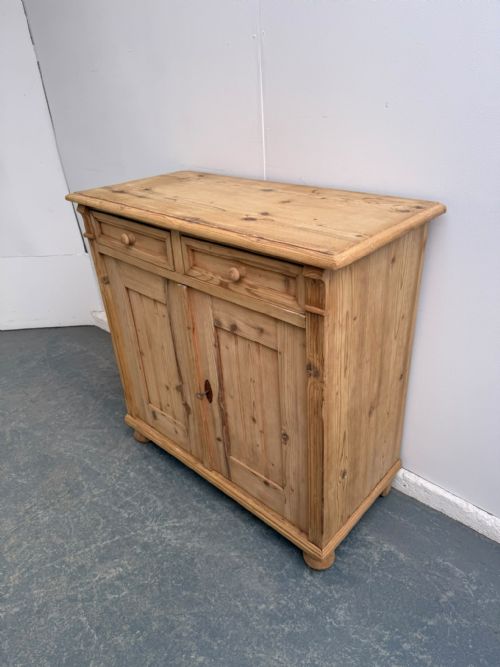
These rustic pine buffet cabinet examples bring honest utility and regional character into a room.
Rustic Pine Buffet Cabinet
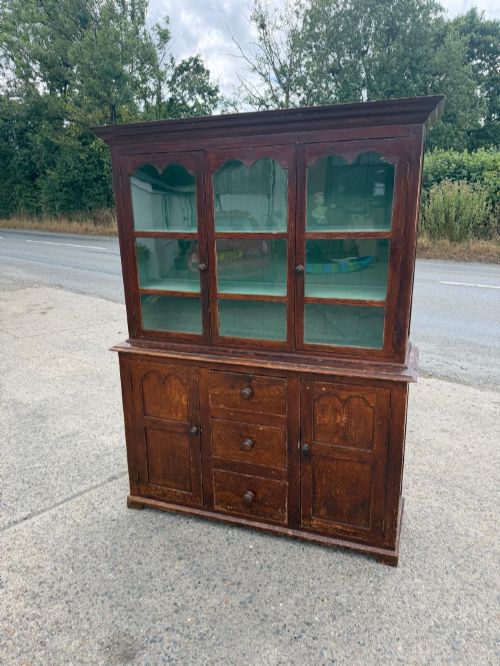
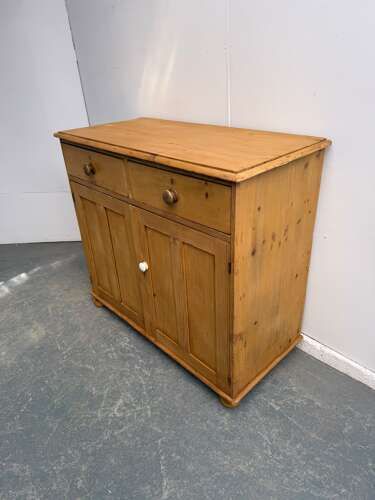
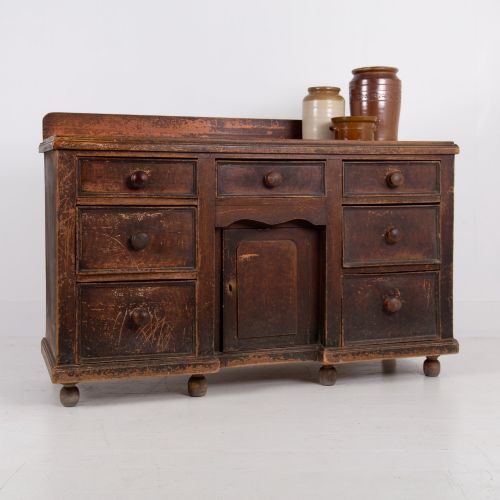
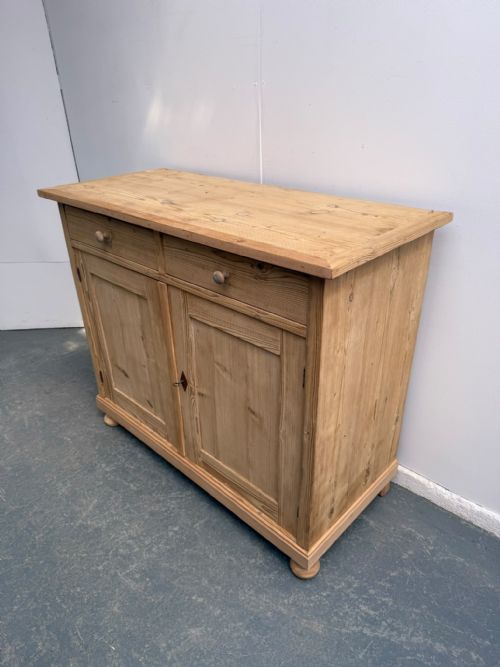
When searching for a rustic pine buffet cabinet, a buyer finds functional storage furniture rooted in domestic traditions across Britain and continental Europe. These pieces typically serve as kitchen dressers, dresser bases, cupboards, and sideboards designed to hold household provisions and display crockery. Most items appearing here date from the nineteenth century, spanning Victorian, Georgian, and Scandinavian country origins.
The form ranges from low wide storage cupboards and shallow dresser bases to tall glazed top dressers and large Hungarian kitchen cabinets. Structural variations include two-door and two-drawer layouts, breakfront configurations, and fitted bread slides. Surfaces arrive either stripped to reveal waxed solid pine or retain original scraped paint finishes from English, Welsh, Scottish, Swedish, and Hungarian workshops.
How They Were Made
Construction relies primarily on solid pine timbers, selected for availability and workability in regional country workshops. Cabinet makers joined boards using traditional carpentry methods, incorporating brass and iron hardware for hinges, pulls, and structural reinforcement.
Many surfaces display original paint finishes, while others show traces of historical scraping or sit ready for waxing. Secondary materials include glass for cabinet doors and ceramic elements, reflecting practical domestic utility rather than courtly ostentation.
Listings feature pine furniture spanning the Victorian, Georgian, and 1930s periods, incorporating brass, iron, glass, and ceramic elements.
What Varies in Quality
The standard of a rustic pine buffet cabinet depends on the integrity of its original construction and the preservation of its surface finish. Pieces retaining untouched original paint or honest historic wax patination hold distinct character compared to heavily altered examples.
The Rustic Pine Buffet Cabinet Glossary
- Dresser base
- The lower section of a kitchen dresser, typically featuring a combination of drawers and cupboards beneath a flat top surface.
- Bread slide
- A pull-out wooden shelf historically used for cooling bread or food preparation within domestic cabinetry.
- Glazed top
- An upper cabinet section featuring glass-paned doors designed for displaying ceramic tableware.
- Scraped paint
- A finish revealing layers of historical decoration where later coats have been partially removed to expose earlier pigment.
- Chiffonier
- A compact sideboard or low cabinet equipped with drawers and lower doors, developed during the nineteenth century.
Rustic Pine Buffet Cabinet: Frequently Asked Questions
What rooms suit a rustic pine buffet cabinet?
These cabinets function effectively in kitchens and dining spaces to store tableware, linens, and provisions. They also serve living areas and hallways as general storage sideboards.
The deep proportions and sturdy tops accommodate everyday objects while adding grounded regional character to domestic interiors.
How do I care for a waxed pine finish?
Maintain waxed surfaces by applying natural beeswax periodically to nourish the timber and protect against moisture. Avoid placing pieces near direct heat sources that can dry out the wood.
Dust regularly with a soft cloth and wipe spills immediately to preserve the natural lustre of the pine.
How do I identify nineteenth century pine furniture?
Examine the construction methods, tool marks, and hardware to determine age and origin. Nineteenth-century pieces often display hand-cut joinery, forged iron or brass fittings, and timbers showing appropriate natural wear.
Painted examples frequently retain historic pigments underneath later layers, visible where surfaces experience normal friction.
What is the difference between a dresser base and a full dresser?
A dresser base consists solely of the lower cabinet portion with drawers and doors beneath a worktop surface. A full dresser includes an upper shelving unit or glazed cabinet attached above.
Both forms originated in country kitchens to organise household provisions and display ceramic plates.