


Rustic Panel Back Chair
A rustic panel back chair brings robust country character and centuries of functional history directly into a modern interior.
Rustic Panel Back Chair
When you search for a rustic panel back chair, you are looking at sturdy domestic seating built for everyday use in rural homes, farmhouses and vernacular settings. These pieces range from substantial armchairs and side chairs to larger settles, incorporating solid wooden backs designed to block draughts in older properties.
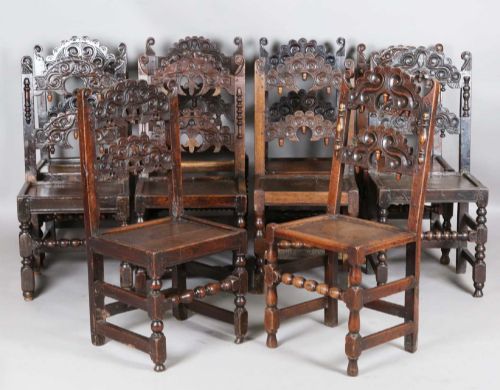
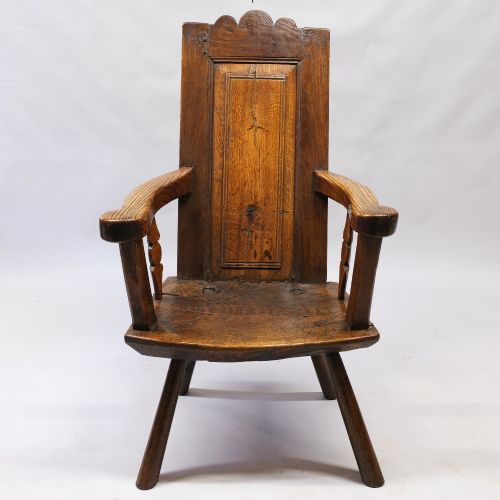
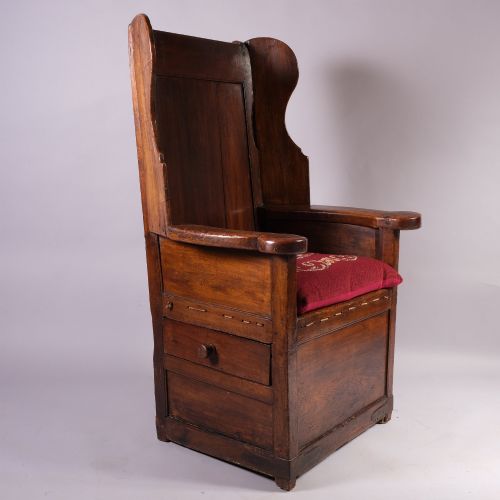
The versions you are most likely to meet on this page span several centuries, including 17th century Welsh examples, 18th century vernacular designs, and Georgian country pieces. They appear in forms such as wainscot chairs, lambing chairs, and Windsor-influenced styles, often constructed with simple wooden seats or fitted with fabric and velvet cushions.
Many of these seats reflect regional British and European traditions, with specific groupings from Wales, Lakeland, and Hungary. The construction prioritises utility and durability, resulting in honest proportions and solid timber frames that show clear signs of long domestic service.
Construction and materials
Makers built these chairs primarily from native hardwoods, relying heavily on solid oak and elm for structural integrity and longevity. Pine, hardwood, and occasional painted finishes also appear, while some examples incorporate added fabric and velvet for domestic comfort.
Joinery techniques depended on traditional methods suited to heavy timbers, securing panel backs and wooden seats firmly to sturdy legs and stretchers. Turned elements, such as bobbin details, demonstrate how vernacular makers integrated decorative touches into robust utilitarian frames.
Listings feature solid oak and elm as the primary materials, alongside painted pine and occasional fabric upholstery.
Assessing quality
Quality in these vernacular pieces rests on the integrity of the original timber and the survival of early surfaces. Chairs retaining their original patination and uncompromised panel construction stand apart from those altered or heavily restored over generations.
Proportion and regional character also dictate distinction, with well-balanced forms and crisp turning displaying a higher degree of regional craftsmanship. The harmony between the solid wooden back and the supporting undercarriage defines the visual success of the piece.
The Rustic Panel Back Chair Glossary
- Panel back
- A wooden chair back constructed from solid boards fitted into a framed structure, designed to provide strength and block cold draughts. This form is central to early vernacular seating.
- Vernacular
- Everyday objects made by local tradesmen using regional traditions rather than high-style metropolitan designs. These pieces reflect the specific materials and needs of their local area.
- Wainscot chair
- An early form of wooden armchair, heavily panelled and traditionally associated with high-status domestic interiors before trickling down into wider rural use. It represents one of the earliest iterations of framed seating.
- Lambing chair
- A specialised armchair featuring a high paneled back and enclosed sides designed to shield the sitter from floor-level drafts. Some examples incorporate a concealed box base or rocker attachments.
- Bobbin turning
- A decorative woodworking technique where the lathe cuts a series of rounded, bead-like shapes resembling spools of thread. This detail appears frequently on the legs and stretchers of 17th century chairs.
Rustic Panel Back Chair: Frequently Asked Questions
What is a rustic panel back chair?
A rustic panel back chair is a traditional wooden seat featuring a solid board back, built for everyday use in rural homes and farmhouses. These pieces emphasise sturdy construction and practical domestic utility over decorative luxury.
They appear across various periods from the seventeenth to the nineteenth century, often reflecting distinct regional styles from Britain and Europe. Their solid timber frames and straightforward joinery have allowed them to survive centuries of continuous use.
How were these chairs used historically?
Historically, these chairs served as primary seating in the main living areas of vernacular homes, positioned near hearths to block cold drafts. Enclosed designs like lambing chairs provided additional shelter for vulnerable members of the household.
Larger versions such as settles combined seating with enclosed storage or acted as space dividers in large farmhouse kitchens. Their robust build meant they could be moved easily between rooms or used outdoors during seasonal tasks.
How do I date an old wooden chair?
Dating relies on examining the joinery methods, tool marks, and timber characteristics visible across the frame. Earlier pieces from the seventeenth century often utilise pegged mortise and tenon joints and heavy native oak.
Later regional variations incorporate turned components, alternative hardwoods like elm or pine, and modified proportions reflecting changing domestic habits. Comparing the construction details to established vernacular typologies helps narrow down the period of manufacture.
How do I live with a country chair?
Living with these chairs involves placing them in stable environments away from direct heat sources and drastic humidity changes. Solid timber expands and contracts with atmospheric shifts, so consistent indoor conditions protect the original structure.
Routine care requires only gentle dusting and occasional waxing to maintain the natural finish of the wood. Their versatile proportions make them suitable as accent pieces in hallways, studies, or around dining tables.