







Rustic Painted Sign
A rustic painted sign brings direct rural character to an interior through weathered timber and hand-lettered surfaces.
Rustic Painted Sign
When you search for a rustic painted sign, you encounter utilitarian and commercial markers that survived from past centuries, primarily formed of timber and iron. The pieces on this page span the Victorian and Edwardian eras through to the mid-twentieth century, capturing an era of trade and rural life.
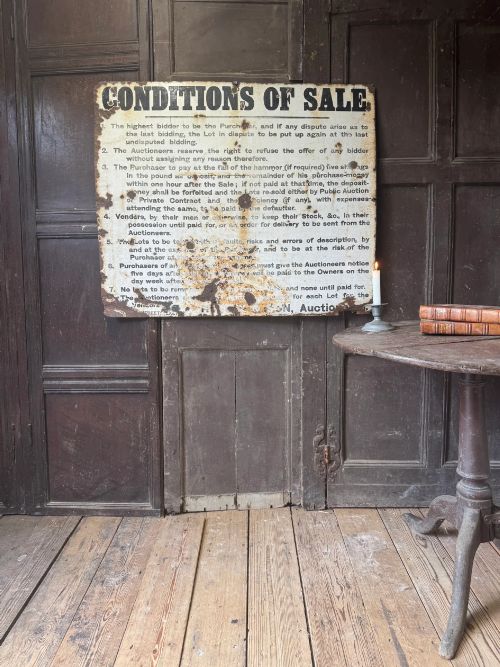
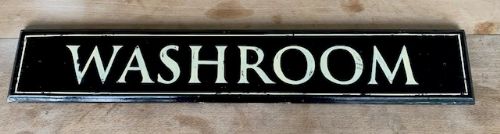
You are most likely to meet painted wooden display signs, washroom notices, and directional markers constructed from pine. These functional boards carry original hand-applied lettering and aged pigments that tell a story of everyday commerce.
Judging quality and character
The distinction between ordinary utility boards and superior examples lies in the integrity of the original surface and the artistic merit of the sign writing. Skilled lettering with balanced proportions elevates a functional notice into a piece of folk art.
Patina dictates much of the appeal, where natural weathering, original flake, and undisturbed layers of historic paint hold more visual weight than pieces that have undergone heavy restoration or stripping.
Rustic Painted Sign Retail Price Guide 2026
Typical asking prices for rustic painted sign among the pieces listed under this phrase on Sellingantiques today, from the lower quarter to the upper quarter. They describe what is for sale here now, not the wider market.
Listings featuring a rustic painted sign span the Victorian and Edwardian eras into the mid-twentieth century, constructed from pine, painted metal, and iron.
Smiths Agricultural Merchants·W Klombeck·M H Signed Majorie Hoare·Leonardo Morello·Henry Spernon Tozer·William Manners·Thomas Nicholson Tyndale·Lester Sutcliffe·Fred Lawson·Henry John Sylvester Stannard·William Greaves·Albert-Ernest Brockbank
The Rustic Painted Sign Glossary
- Pine
- A soft timber widely utilised for domestic furniture and commercial signboards throughout the Victorian and Edwardian periods. It takes paint well and develops a rich honey tone with age.
- Sign writing
- The traditional craft of painting letters by hand for commercial, public, or decorative purposes. Practitioners relied on steady brushwork and an understanding of typography.
- Folk art
- Utilitarian objects and images created by self-taught makers working outside academic traditions. These pieces prioritise direct expression over formal artistic rules.
- Patina
- The surface texture and coloration developed by materials through age, handling, and exposure to the elements. It serves as a visual record of an object's history.
Rustic Painted Sign: Frequently Asked Questions
What is a rustic painted sign?
A rustic painted sign is a utilitarian wooden or metal board bearing hand-lettered commercial information, directional details, or trade instructions from past centuries. These boards were made for everyday use outside shops, pubs, and agricultural properties.
Over decades, exposure to the weather has worn the painted surfaces, creating the aged textures and patinas that collectors seek for contemporary interiors today.
How were these signs used originally?
Businesses and merchants mounted these boards on exterior walls, post systems, or above doorways to guide customers, announce auctions, or identify specific trade services. They functioned as the primary visual communication for local commerce before modern printing.
Pubs utilised heavy iron hanging brackets for durability against high winds, while agricultural merchants favoured large pine boards to list market conditions and goods.
How do I style a painted sign at home?
These pieces integrate naturally into rustic, industrial, or traditional interiors when hung directly against neutral walls to highlight their weathered lettering and timber grain. Their substantial presence anchors a room, working well in kitchens, hallways, or living spaces.
Keep surrounding decor simple to let the authentic history and brushwork of the board remain the focal point of the wall.
How can I tell the age of a painted sign?
Age is determined by observing the timber preparation, the composition of the underlying paint layers, and the style of the hand-lettering. Victorian and Edwardian examples often display distinct typography and hand-forged iron fixings that differ from mid-century production.
Examining the natural wear patterns and the depth of the patina helps confirm the period in which the board was actively used in trade.