
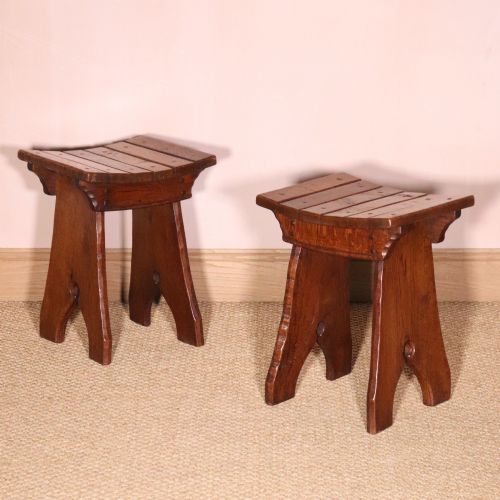


Rustic Oak Low Seating
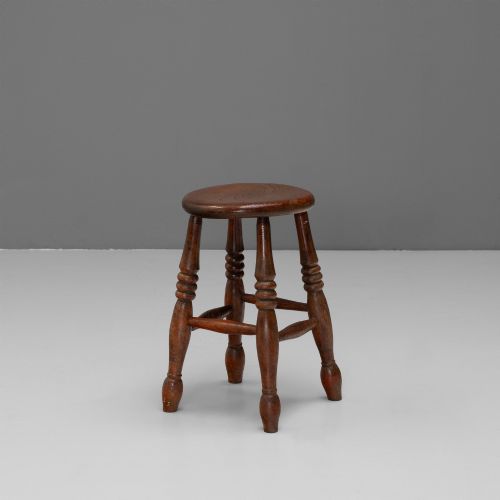
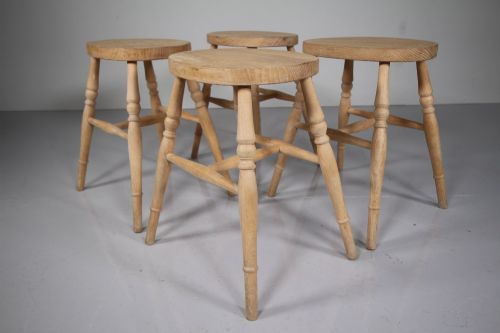
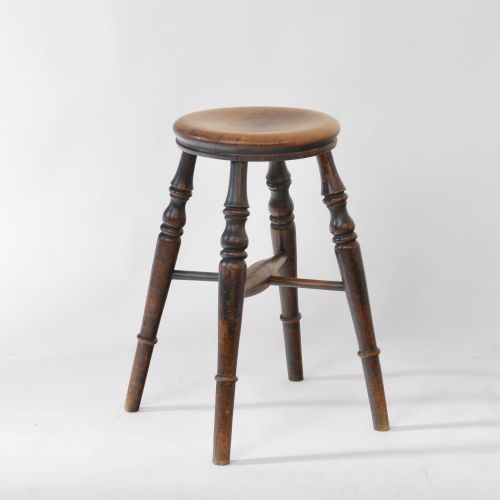
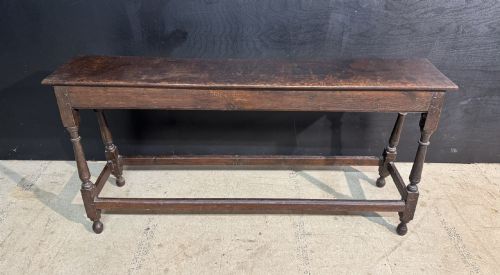
Rustic oak low seating comprises sturdy stools, benches, and low chairs built from timber for heavy daily use.
Rustic Oak Low Seating
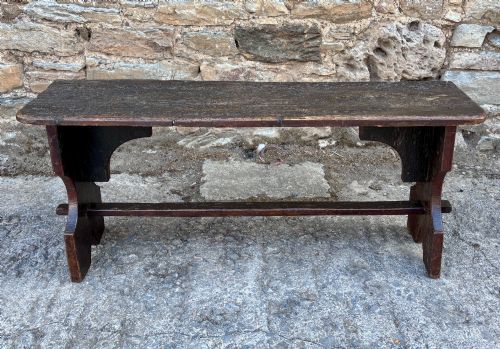
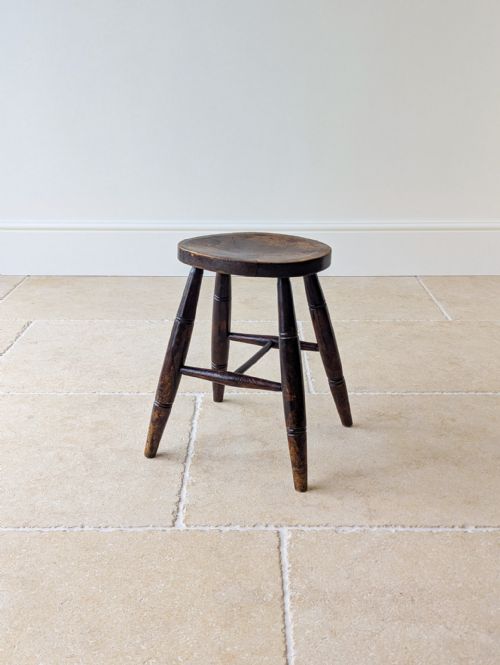
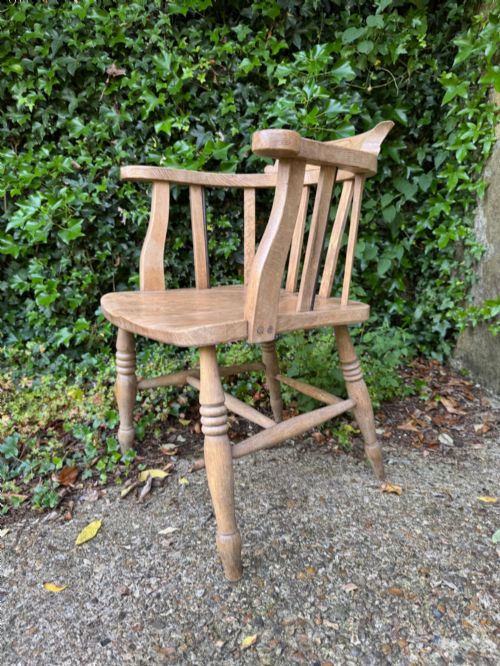
Rustic oak low seating encompasses sturdy wooden stools, benches, and low chairs designed for practical domestic and tavern use. These pieces emerge from periods spanning the eighteenth, nineteenth, and early twentieth centuries, reflecting utilitarian country traditions.
Makers working within Victorian, Edwardian, and Arts and Crafts styles shape these low forms with simple, honest construction. Buyers encounter matching sets of dining stools alongside singular, highly individual milking and pub seats.
Materials and Construction
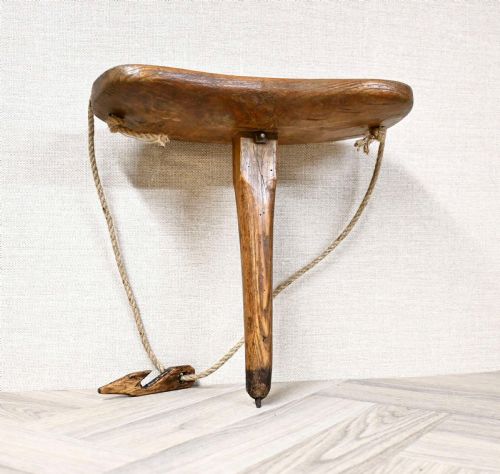
Carpenters build rustic low seating using native hardwoods, predominantly oak and elm, selected for strength and durability. Supporting structures often utilise beech or sycamore, while occasional details incorporate iron and hemp rope.
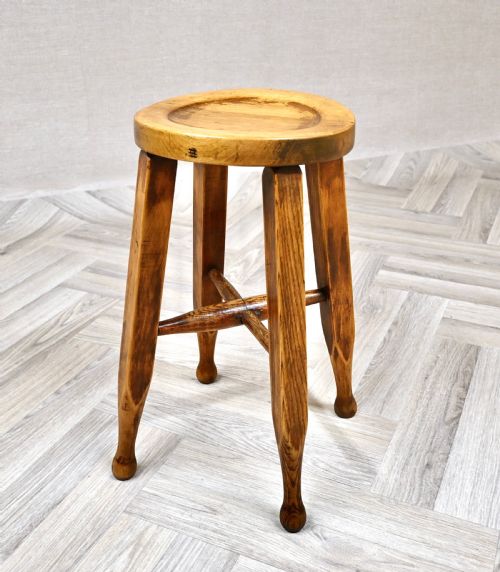
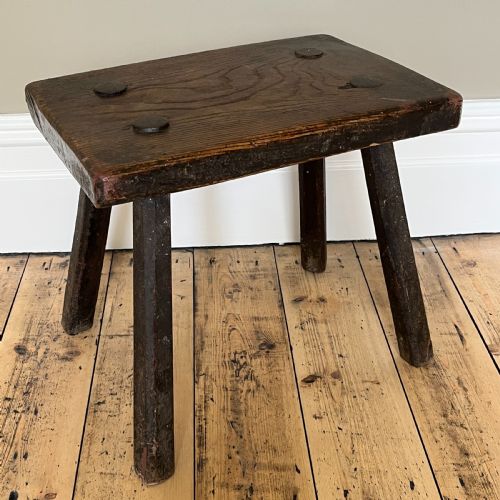
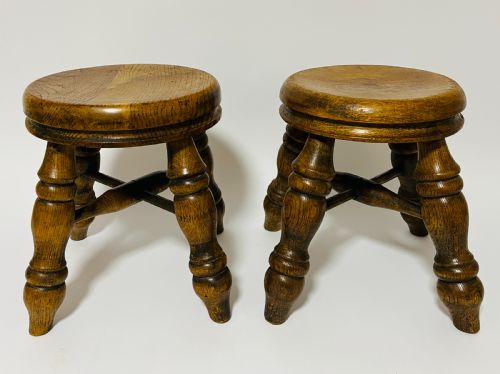
Traditional joinery defines these low forms, relying on pegged joints, mortise and tenon connections, and turned or shaved legs fitted directly into solid timber seats. Surfaces display the tool marks of drawknives, adzes, and lathes, revealing the manual labour behind each piece.
One-leg milking stools required the milkman to strap the seat directly to his body while tending the herd.
Judging Quality and Character
Quality in rustic low seating rests upon the integrity of the timber and the honesty of the construction. Pieces retaining their original unblemished timber surfaces and tight, uncompromised joints stand above examples with heavy modern replacement parts.
The character of the grain and the depth of natural patination accumulated through decades of use separate standard examples from finer items. Maker attribution, particularly to known workshops or regional craftsmen, further elevates the standing of an individual piece.
Jack Grimble·David Oakleafman Langstaff
The Rustic Oak Low Seating Glossary
- Joint stool
- A sturdy wooden stool constructed with mortise and tenon joints, originally used for sitting or serving food before chairs became common. These pieces feature rectangular tops and straight, stretcher-supported legs.
- Milking stool
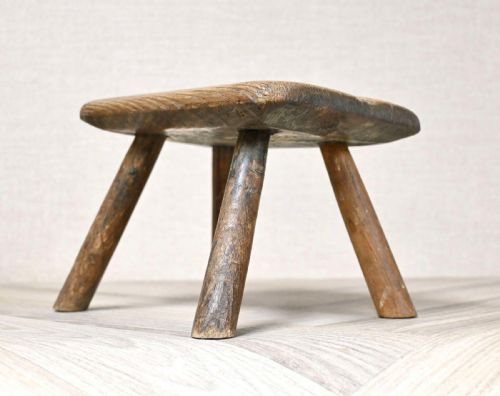
- A small, low three-legged seat traditionally used by agricultural workers for milking cows in barns and fields. The three-legged design ensures stability on uneven earthen floors.
- Joint
- A connection where two pieces of wood meet, secured with wooden pegs or glue. Traditional examples rely on tight carpentry rather than metal fasteners.
- Patina
- The deep sheen and surface alteration developed on wood over decades of handling, cleaning, and exposure to light. This finish records the age and history of the object.
- Stretcher
- A horizontal wooden brace connecting the legs of a stool or chair to provide structural rigidity. These elements prevent the legs from spreading under heavy downward pressure.
Rustic Oak Low Seating: Frequently Asked Questions
What is rustic oak low seating used for?
These low wooden stools and benches function as practical extra seats around living spaces, kitchens, and hallways. Their compact proportions allow them to slide easily beneath tables or sit unobtrusively beside a hearth.
Historically, they served workers in domestic, tavern, and agricultural settings where robust, low seating was essential. Today, buyers utilise them as occasional seats, side tables, or plant stands within traditional and modern interiors.
How do I care for antique oak furniture?
Maintain antique oak and hardwood surfaces by dusting them regularly with a dry, soft cloth. Avoid harsh chemical cleaners and modern polishes that can degrade the historic finish.
Keep the timber away from direct heat sources and drastic humidity changes to prevent the wood from drying out or splitting. Applying a light coat of natural beeswax periodically helps nourish the dry grain and preserves the surface sheen.
How can I tell an older stool from a newer one?
Examine the construction methods and the wear patterns visible across the timber surfaces. Older pieces display hand-cut joinery, pegged tenons, and surface irregularities left by traditional hand tools like adzes and drawknives.
Inspect the patina and the nature of the wood grain around the footings and seat edges. Natural wear accumulated over generations creates a softness that modern mechanical reproduction struggle to replicate accurately.
Why do some milking stools have three legs?
Three-legged seating arrangements remain completely stable on uneven ground, such as farmyards or dirt floors. A three-point stance ensures the stool rests firmly without rocking, regardless of the surface contour.
This practical design choice made three-legged stools indispensable for agricultural workers operating in unstructured environments. The configuration also simplifies construction while maintaining optimal structural balance.
What woods were used in these pieces?
Makers relied heavily on native British hardwoods, with oak forming the primary material for structural frames and joint stools. Elm appeared frequently for solid seats due to its interlocking grain resisting splits.
Secondary timbers such as beech, sycamore, and ash frequently supplied turned legs and spindles. Occasional pieces incorporated iron hardware and hemp rope bindings for added reinforcement.