





Rustic Oak Gate Leg
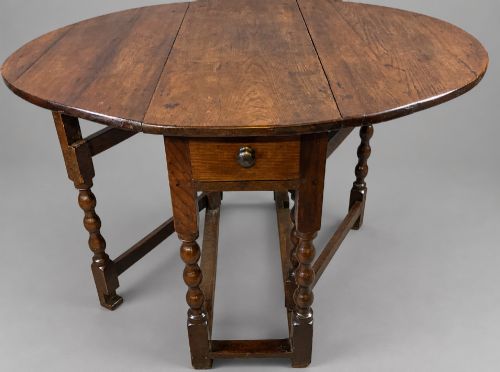
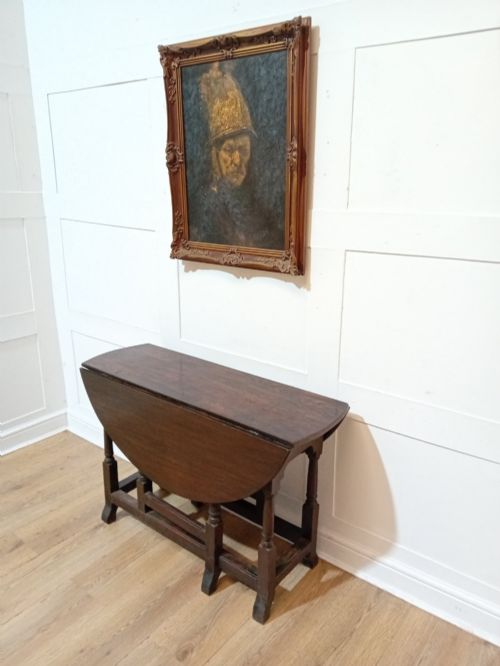
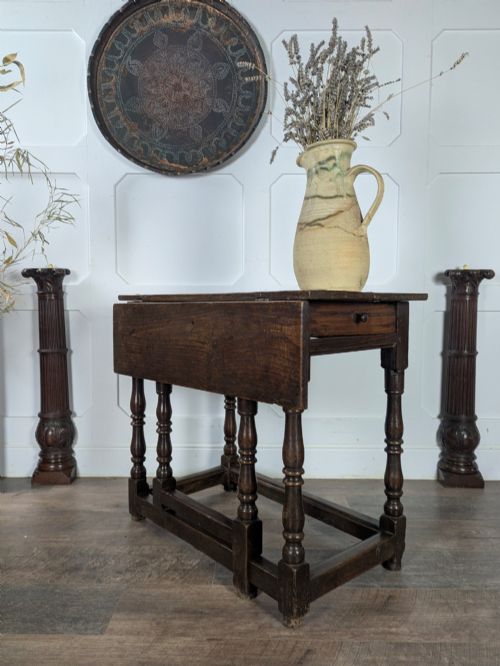
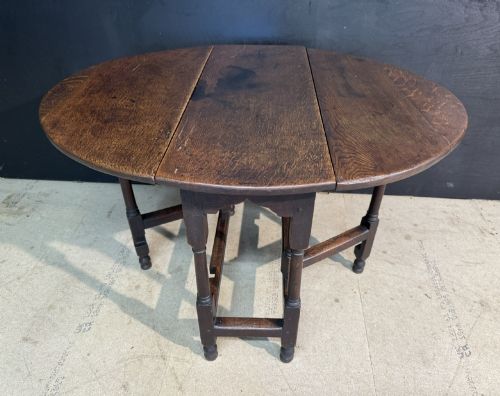
These rustic oak gate leg tables offer sturdy timber construction and folding leaves that suit compact rooms and large dining spaces alike.
Rustic Oak Gate Leg
A rustic oak gate leg table provides a sturdy timber surface with hinged leaves supported by swinging legs. Buyers searching for rustic oak gate leg options will find examples ranging from compact occasional tables to large dining surfaces. The selection includes pieces spanning the seventeenth, eighteenth, and nineteenth centuries, alongside later revivals and twentieth-century French provincial variants.
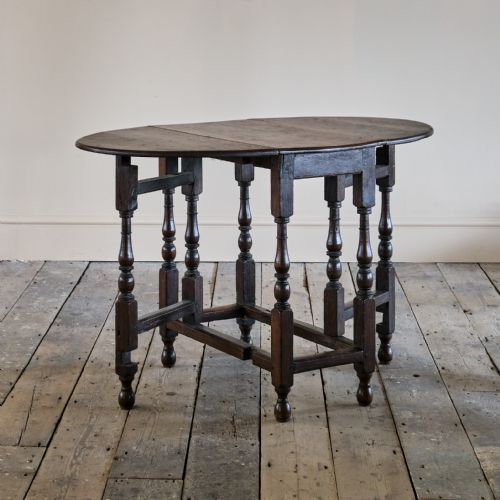
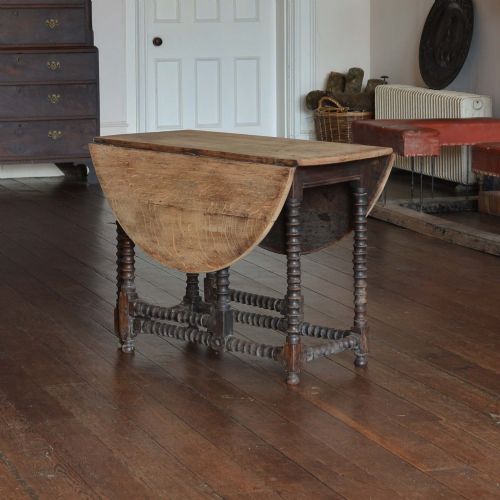
Most pieces on this page date from the eighteenth century, constructed in solid oak with practical drop leaves. Forms vary from small coffee tables to substantial dining tables, demonstrating the enduring utility of the design across different periods. Buyers frequently encounter traditional gateleg mechanisms paired with turned baluster or bobbin posts.
Origin styles stretch across English country and Georgian traditions, as well as continental French provincial workshops. These tables serve multiple domestic roles, functioning as everyday dining furniture or occasional surfaces in living spaces. The combination of solid timber and pivoting support legs defines the core of this category.
How they were made
Cabinet makers built these tables using solid oak timbers, occasionally incorporating fruitwood or subtle timber inlay. Iron hardware such as hinges and fastenings reinforced the pivoting gate leg mechanism that supports the drop leaves.
Construction techniques relied on heavy framing and turned supports, including characteristic baluster posts and bobbin turnings. Joinery was executed by hand to ensure the structural stability required when opening and closing the folding leaves.
Rustic Oak Gate Leg Retail Price Guide 2026
Typical asking prices for rustic oak gate leg among the pieces listed under this phrase on Sellingantiques today, from the lower quarter to the upper quarter. They describe what is for sale here now, not the wider market.
Listings feature solid oak, fruitwood, and timber inlay across periods spanning the seventeenth century through to nineteen-thirty.
What varies in quality
Quality differences emerge in the selection of the timber and the weight of the solid oak used for the top and legs. Finer examples display precise turning on the posts and smooth operation in the gateleg mechanism that supports the drop leaves.
The integrity of the timber framing and the proportion of the drop leaves determine the overall character of each table. Pieces executed with careful attention to structural balance and authentic period joinery stand apart from later revivals.
The Rustic Oak Gate Leg Glossary
- Gateleg table
- A table with hinged leaves supported by one or more legs that swing out like a gate. This design allows the surface area to expand or contract according to space requirements.
- Drop leaf
- A hinged section of a table top that folds down when not in use. It provides flexible sizing for dining and occasional use.
- Baluster post
- A moulded column or upright support used in table legs and architectural joinery. It adds decorative form and structural strength.
- Bobbin turning
- A form of woodturning characterised by a series of rounded, spool-like shapes along the length of a leg or stretcher. This decorative technique appears frequently on seventeenth-century and revival pieces.
- Timber inlay
- Pieces of contrasting wood fitted into the surface of a furniture piece to create decorative patterns. It adds visual detail to the primary oak construction.
Rustic Oak Gate Leg: Frequently Asked Questions
How do I use a gate leg table daily?
Keep the leaves dropped against the sides for everyday placement as a console or occasional surface against a wall. Raise one or both leaves and swing out the supporting legs whenever extra dining or workspace is required.
Ensure the swinging gate leg locks securely into position beneath the leaf before placing heavy objects on the expanded surface.
How do I tell seventeenth-century tables apart from later ones?
Early seventeenth-century pieces typically feature heavy timber framing, hand-split oak boards, and distinctive baluster or bobbin turned posts. Later nineteenth-century examples and twentieth-century revivals often show more standardised machining and lighter construction.
Examine the underside of the top and the joinery around the hinges for clues regarding tool marks and period-specific construction methods.
Are these tables suitable for small dining rooms?
The folding leaf design makes these tables exceptionally practical for restricted spaces because they occupy minimal floor area when closed. You can expand just one leaf to seat a single person against a wall or open both leaves for full dining.
Consider measuring the clearance needed for the swinging gate legs to move freely when fully extending the leaves in a tight room.
What maintenance do solid oak surfaces need?
Protect the timber from excessive moisture and direct heat sources by using coasters and placemats during daily use. Regular dusting with a dry cloth maintains the finish without building up heavy wax residues.
Feed the dry oak timber occasionally with a suitable beeswax polish to preserve the natural grain and prevent the surface from drying out.