

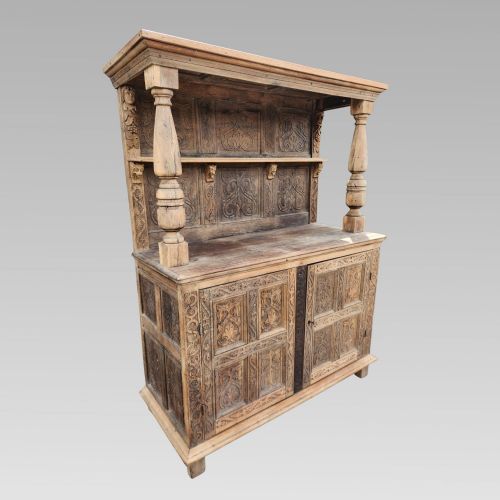


Rustic Oak Cupboard Sideboard
These rustic oak cupboard sideboards bring solid country proportions and honest timber into daily storage, spanning centuries of regional vernacular workshop design.
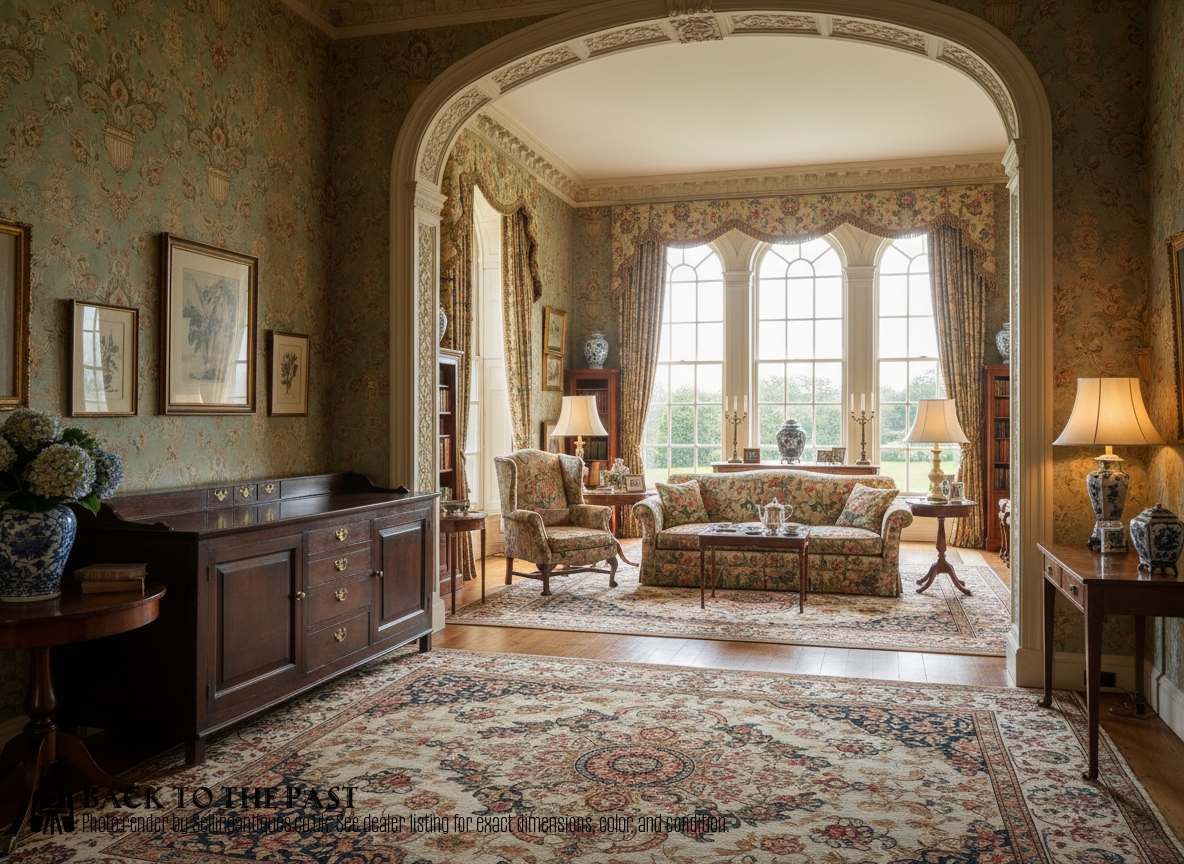
Rustic Oak Cupboard Sideboard
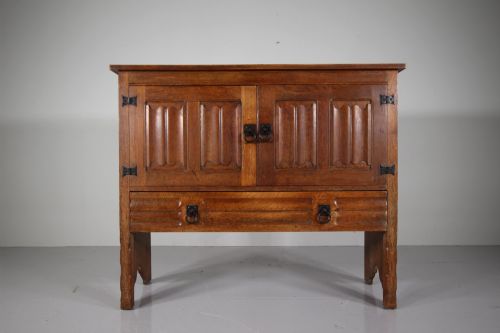
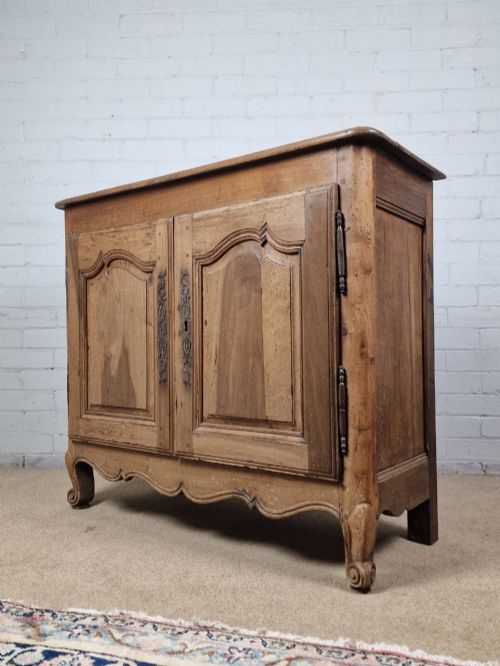
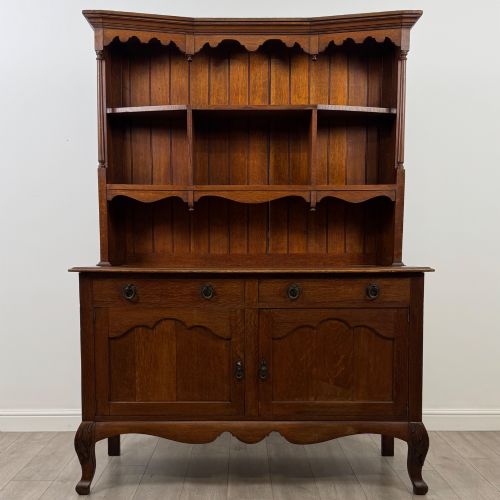
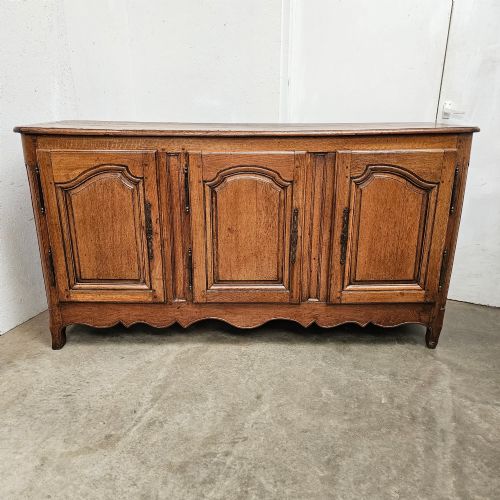
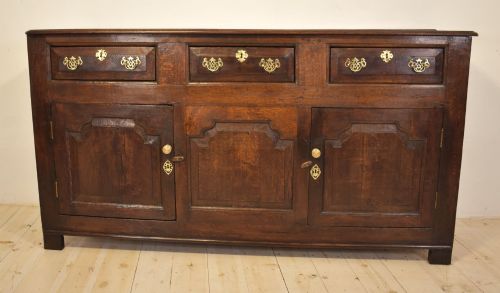
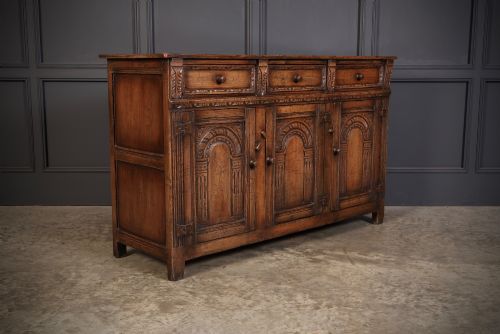
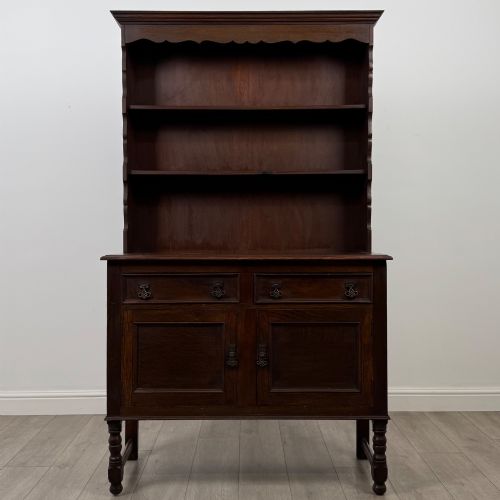
A rustic oak cupboard sideboard bridges the functional demands of domestic storage and the sturdy traditions of country cabinet making. Buyers searching for a rustic oak cupboard sideboard encounter forms ranging from low dresser bases and tall Welsh dressers with plate racks to French provincial buffets and enclosed enfilades.
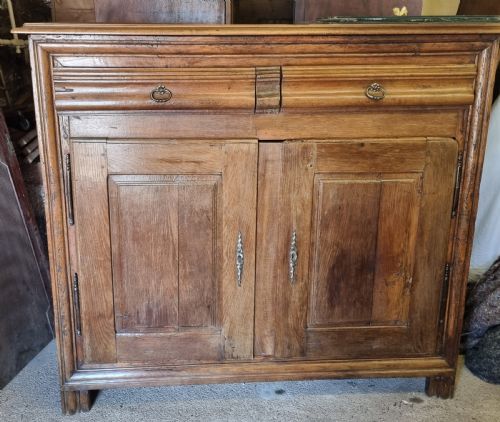
The pieces originating from English and Welsh rural workshops often feature potboards or breakfront drawers, while French provincial examples introduce fruit wood additions and sacristy cabinet proportions. Pieces span periods from the eighteenth century through the Victorian and Edwardian eras into the early twentieth century, including Arts and Crafts interpretations.
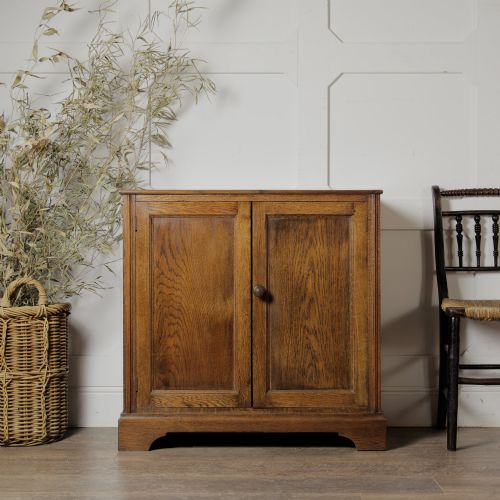
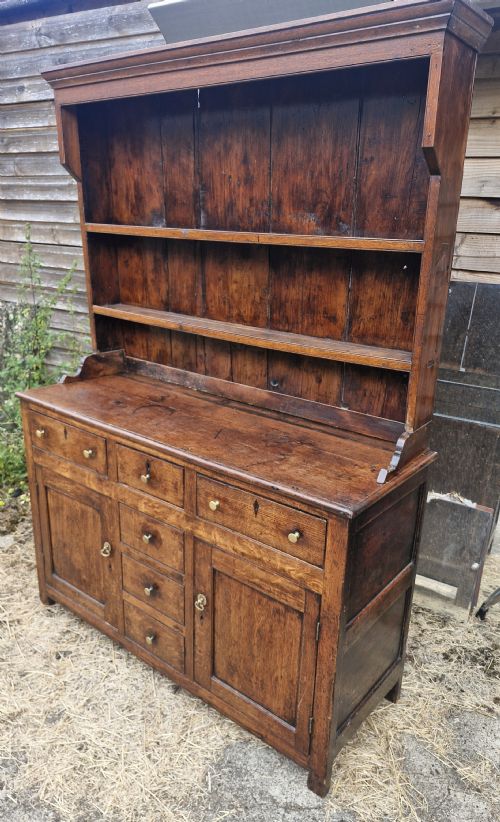
The version most frequently met on this page is the nineteenth-century or eighteenth-century oak dresser base and cottage cupboard, shaped by regional British and French country styles. These forms reflect everyday domestic utility, utilising native timbers like oak alongside supplementary pine, walnut, and chestnut.
Materials and Construction
Construction relies primarily on solid oak, frequently paired with fruit wood, pine, walnut, and chestnut for secondary elements or provincial variations. Workshops utilised hand-tooling techniques, resulting in visible joinery and pegged framing that gave these heavy items structural endurance.
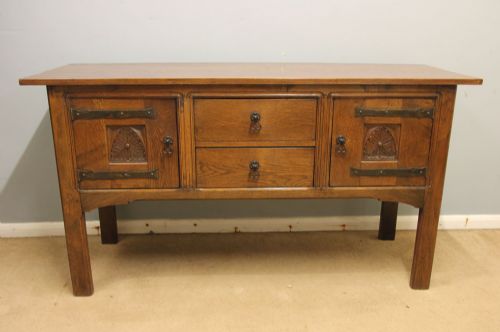
Hardware elements incorporate wrought iron, brass, and bone for hinges, handles, and escutcheons, securing doors and drawers against daily wear. Surfaces often display natural grain patterns, occasionally enhanced by bleaching or historic carving, without losing the tactile honesty of the timber.
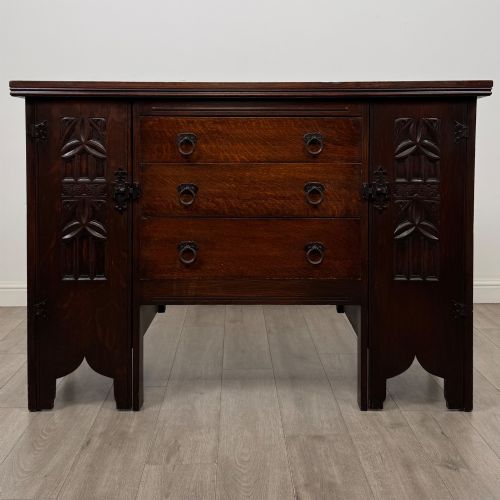
Styles span French Provincial, English Country, Georgian, Gothic Revival, Arts and Crafts, and Jacobean Revival across various dresser and sideboard forms.
Gradations in Execution
Quality separates through the integrity of timber selection and the restraint of regional carving, distinguishing local vernacular items from later revival pieces. Superior examples exhibit well-proportioned breakfront layouts and integrated plate racks that retain original hardware like brass and wrought iron.
The handling of secondary timbers, such as fruit wood or pine, alongside primary oak indicates the workshop's origin and the maker's adherence to traditional construction methods. Later twentieth-century interpretations show differing levels of decorative carving compared to the structural necessity found in eighteenth-century pieces.
The Rustic Oak Cupboard Sideboard Glossary
- Potboard
- An open slatted lower shelf on a dresser base designed for storing pots and heavy kitchen utensils. This feature is particularly characteristic of Welsh and English country pieces.
- Enfilade
- A long sideboard or buffet featuring a series of cupboards sharing a continuous top surface. French country dining rooms commonly utilised this form for serving and storage.
- Cwpwrdd Deuddarn
- A traditional Welsh two-part press cupboard used for linen and food storage. These pieces date back to the mid-eighteenth century and earlier.
- Platerack
- An upper shelving tier attached to a dresser designed to display ceramic plates upright. It forms an integral part of traditional Welsh and English country dressers.
- Fruit wood
- Secondary timber utilised alongside oak in French provincial cabinet making. It offers a contrasting tone and grain to the primary structure.
Rustic Oak Cupboard Sideboard: Frequently Asked Questions
What is a rustic oak cupboard sideboard?
A rustic oak cupboard sideboard is a heavy storage piece originating from country workshops in Britain and France. These items combine shelving, drawers, and enclosed cupboards for domestic use.
They reflect regional vernacular designs from the eighteenth century onwards, utilising solid oak and traditional pegged joinery. Each piece serves as both a practical sideboard and a display unit.
How were these sideboards used originally?
Historically, these items served in kitchens, dining rooms, and hallways to store heavy earthenware, linens, and provisions. The surface acted as a workspace or a serving area during meal preparation.
Open plate racks displayed ceramics, while lower cupboards and potboards kept utilitarian items out of sight. They formed the central storage hub of the rural home.
How do I fit one into my home?
These sideboards anchor modern dining rooms, kitchens, and large hallways due to their substantial proportions and deep storage capacity. The upper plate racks suit the display of ceramics and glassware.
Pairing the solid oak timber with neutral walls highlights the natural grain and historic patination. Ensure you measure ceiling height and floor space carefully before placement.
How do I distinguish eighteenth-century pieces from later revivals?
Eighteenth-century examples display hand-cut joinery, pegged framing, and timber patination acquired through generations of domestic use. Regional traits, such as Snowdonia or French provincial proportions, appear naturally integrated.
Later Victorian, Edwardian, and 1920s revivals often incorporate machine-cut elements, applied decorative carving, or stylistic references like Gothic Revival and Arts and Crafts. Examining the interior construction and timber choice clarifies the manufacturing period.