

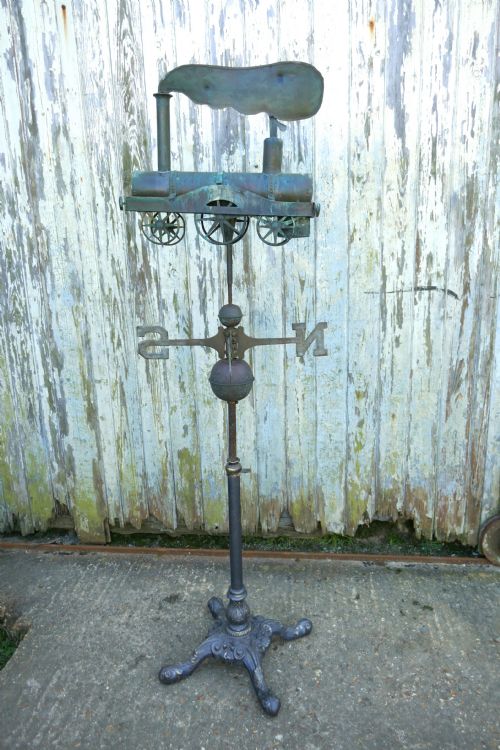


Rustic Metal Wind Vane
These rustic metal wind vane pieces bring authentic garden and rooftop character from past centuries into modern spaces.
Rustic Metal Wind Vane
A rustic metal wind vane is a functional pointer designed to show wind direction, shaped by makers into animal forms like cockerels and horses. These sculptural objects capture movement and history, originating from periods including the nineteenth century and the Edwardian era.
The versions most commonly met on this page combine sheet metal, iron, and copper with folk art styling. They span English folk art traditions and rustic country aesthetics, serving as striking architectural accents.
How they were made
Makers fashioned these pieces using sheet iron, wrought iron, and copper, shaping the metal by hand into recognizable animal figures. Techniques involved cutting, beating, and joining metal sheets to create three-dimensional silhouettes that could pivot freely in the breeze.
Many surviving examples retain layers of old paint applied over the metal base, which adds texture and protects the surface from the elements. Wood and stone sometimes appear in associated mountings or structural elements, grounding the lighter metal top.
Rustic Metal Wind Vane Retail Price Guide 2026
Typical asking prices for rustic metal wind vane among the pieces listed under this phrase on Sellingantiques today, from the lower quarter to the upper quarter. They describe what is for sale here now, not the wider market.
What varies in quality
Quality rests in the sculptural strength of the silhouette and the character of the surface patination. Pieces that retain their original historic paint show a more compelling visual depth than those with uniform modern finishes.
The crispness of the hand-beated metalwork and the natural weathering of the copper or iron define the upper tier of these objects. Maker intent and stylistic execution within folk art traditions separate simpler functional markers from genuinely expressive sculpture.
The Rustic Metal Wind Vane Glossary
- Folk art
- Artistic work created within a traditional culture by self-taught or local makers. It prioritises direct expression over academic rules.
- Sheet iron
- Iron rolled into thin, flat pieces suitable for cutting and shaping. It provides a lightweight yet durable medium for rooftop silhouettes.
- Patina
- The surface alteration and mellowing that metals and paint undergo through age and exposure. It records the passage of time.
Rustic Metal Wind Vane: Frequently Asked Questions
What is a rustic metal wind vane?
A rustic metal wind vane is an antique directional indicator designed for rooftops or display, typically shaped into animal figures.
These pieces combine practical utility with folk art sculpture, created from materials like iron and copper during the nineteenth and early twentieth centuries.
How were these wind vanes used?
They were mounted on high points such as barns, stables, and houses to catch the wind and show its direction.
Over time, many transitioned from working agricultural tools into decorative objects valued for their historical aesthetic.
How do I display a wind vane indoors?
These sculptures mount securely on custom stands or brackets to showcase their silhouette against a wall or on a shelf.
Placing them away from direct moisture preserves the historic painted and weathered metal surfaces.
How can I tell the age of a wind vane?
Age is indicated by the construction methods, the type of metal, and the natural wear of the surface materials.
Nineteenth and early twentieth-century examples display hand-worked details and layered patinas that distinguish them from modern reproductions.