



Rustic Metal Garden Bench
A rustic metal garden bench offers a sturdy outdoor seat, bringing enduring character to lawn, patio and terrace.
Rustic Metal Garden Bench
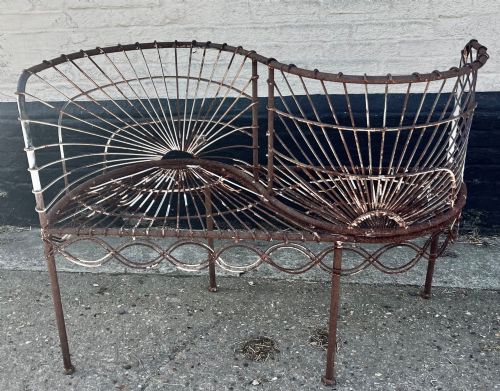
A rustic metal garden bench combines robust industrial materials with practical outdoor seating, taking forms such as standard garden benches, conversation seats, and daybeds. You are most likely to encounter Victorian and Edwardian examples alongside pieces from the nineteen twenties and nineteen thirties.
The selection ranges from classic British foundry castings to French country and Gothic-influenced designs. Makers such as Coalbrookdale and Arras appear among the listings, alongside simpler workshop creations.
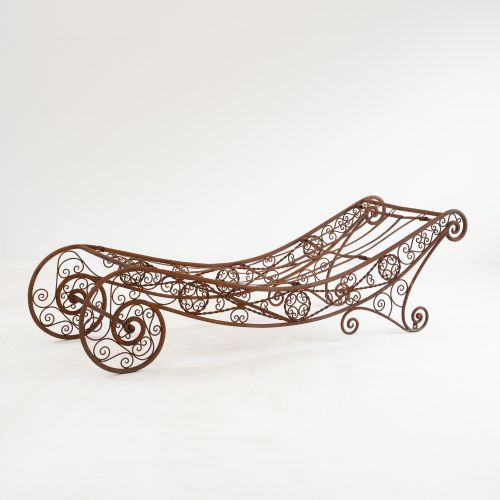
These pieces serve as functional garden furniture that doubles as a focal point for outdoor spaces. The inventory includes two-seater configurations and daybeds designed for relaxation amidst planting.
Materials and construction
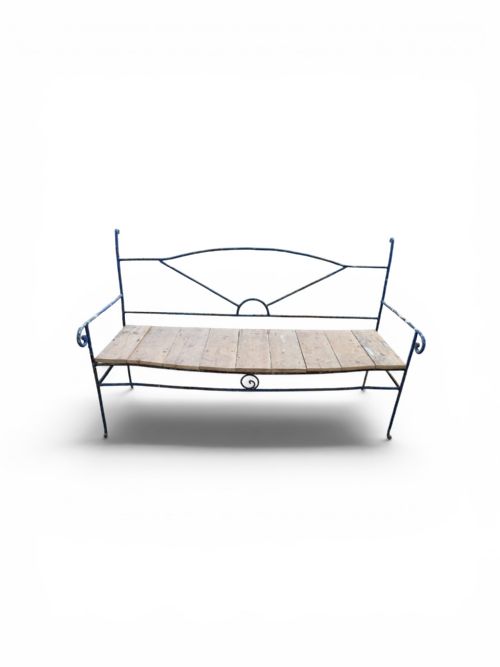
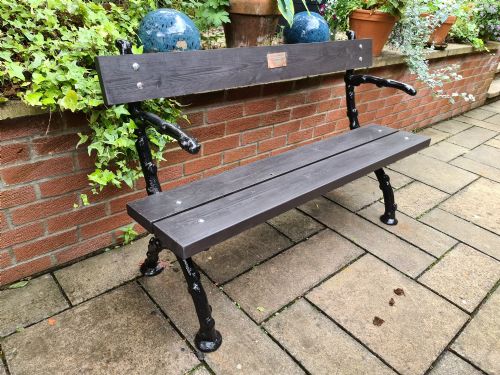
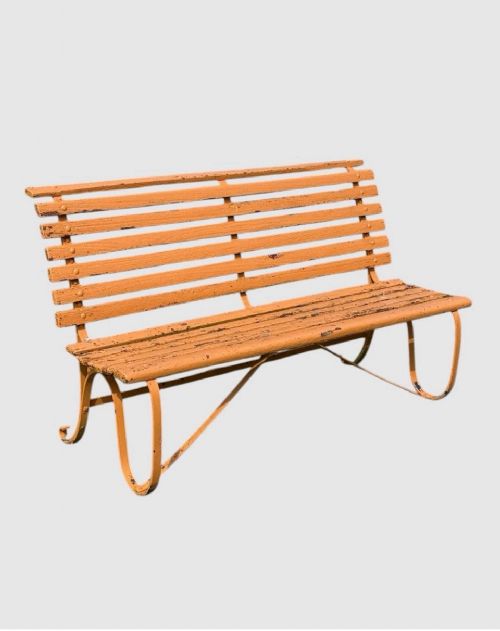
Cast iron and wrought iron form the primary structural elements of these benches, often combined with wooden slats for seating surfaces. Foundries utilised intricate moulds to produce detailed botanical or architectural motifs.
Makers applied layers of protective paint to preserve the metalwork against outdoor weathering, with many surviving examples retaining patinated remnants of these original coatings over steel and iron frames.
Rustic Metal Garden Bench Retail Price Guide 2026
Typical asking prices for rustic metal garden bench among the pieces listed under this phrase on Sellingantiques today, from the lower quarter to the upper quarter. They describe what is for sale here now, not the wider market.
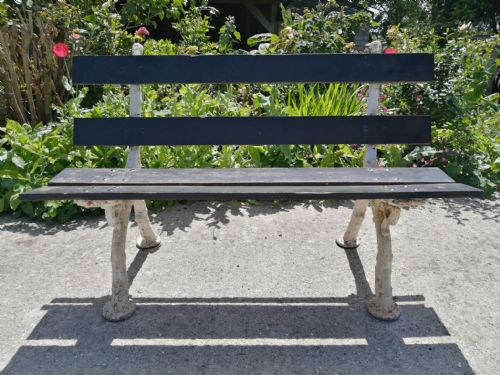
Some benches are shaped like tree trunks to fool the birds.
Distinctions in quality
Quality rests in the crispness of the iron casting and the subtlety of the foundry work, particularly where naturalistic faux bois or gothic tracery is concerned. Superior pieces demonstrate meticulous attention to detail in their scrollwork and structural joints.
The integrity of the original materials separates standard utilitarian items from exceptional examples by notable makers. Benches that retain authentic layers of historic paint and sound wooden components command greater appreciation.
The Rustic Metal Garden Bench Glossary
- Cast iron
- Iron poured into a mould to create rigid, highly detailed structural and decorative components. This technique allowed Victorian foundries to produce elaborate garden furniture en masse.
- Wrought iron
- Iron beaten and worked by hand into shape using tools and heat. It offers greater tensile strength than cast iron and appears in scrolling braces and simpler frames.
- Faux bois
- Imitation wood grain rendered in a durable material such as cast iron. This French-inspired technique mimics natural timber using metal.
- Gothic Revival
- An architectural and decorative style drawing on medieval forms, featuring pointed arches and vertical tracery. This aesthetic influences several metal benches on the market.
- Arras
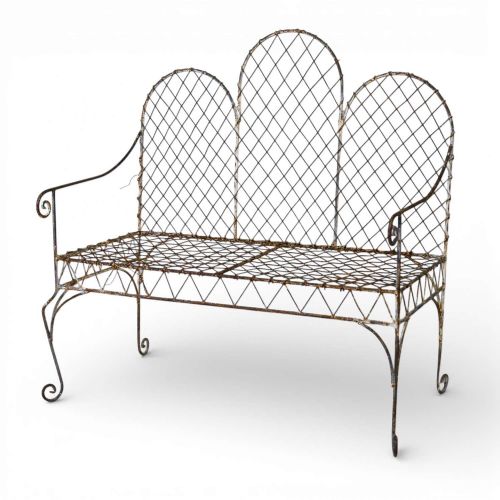
- A distinct style of French garden furniture known for its wirework construction and stamped metal plaques. Pieces from this tradition are sought after by collectors.
Rustic Metal Garden Bench: Frequently Asked Questions
How do I maintain a metal garden bench?
Keep the metal clean and dry where possible, and inspect any retained paint layers for flaking. Gentle cleaning helps preserve the historic surface without stripping the patina.
Position the seat on a stable, well-drained surface to prevent moisture from gathering around the feet. Protecting the piece during harsh winter months extends its lifespan outdoors.
Are these benches comfortable to sit on?
Most designs feature contoured metal slats or integrated wooden seating panels shaped to support the body. Adding a weatherproof cushion enhances comfort for extended sitting.
Conversation seats and daybeds offer alternative layouts designed specifically for lounging and socialising in the garden.
Can I leave my bench outside all year?
Cast and wrought iron withstand outdoor conditions well, though prolonged exposure to moisture accelerates corrosion. Placing the bench under a shelter during winter months limits weather damage.
Ensure wooden elements, where present, are treated to resist rot and dampness if left exposed to the elements.
How do I identify a Victorian garden bench?
Look for heavy cast iron frames featuring characteristic nineteenth-century motifs such as ferns, grapes, or Gothic tracery. Heavier construction and foundry marks often indicate this period.
Comparison with documented pieces from makers like Coalbrookdale helps confirm the era and origin of the ironwork.