



Rustic Metal Cookware
These rustic metal cookware pieces are heavy utilitarian vessels built for the open hearth and kitchen, bringing genuine warmth and weight to a room.
Rustic Metal Cookware
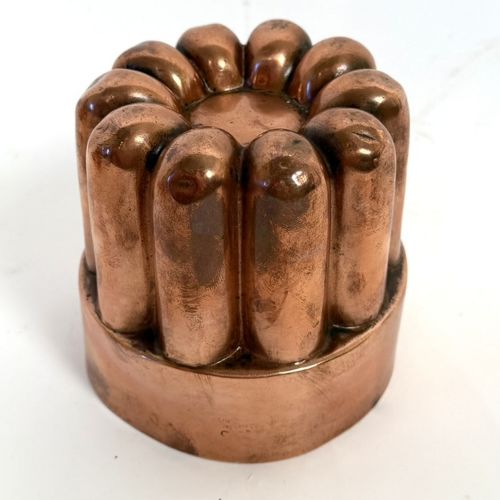
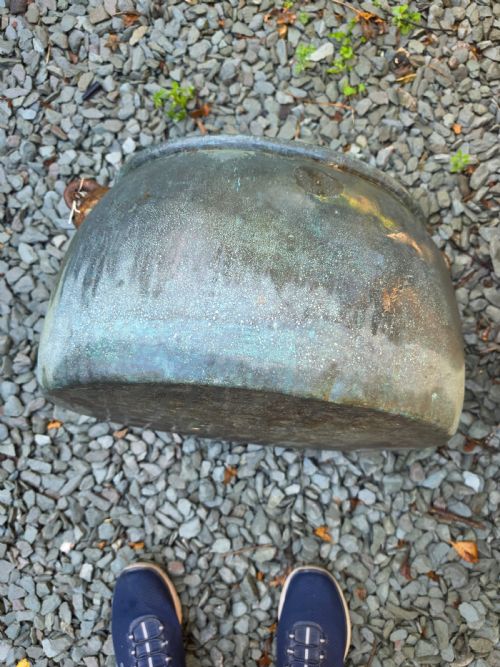
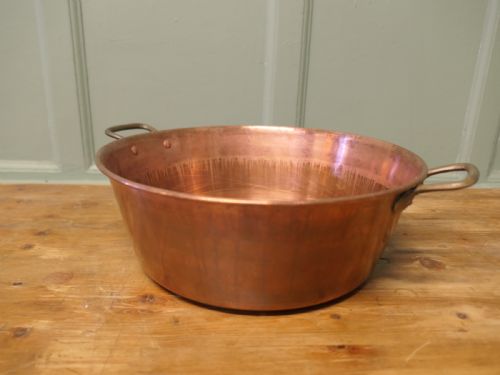
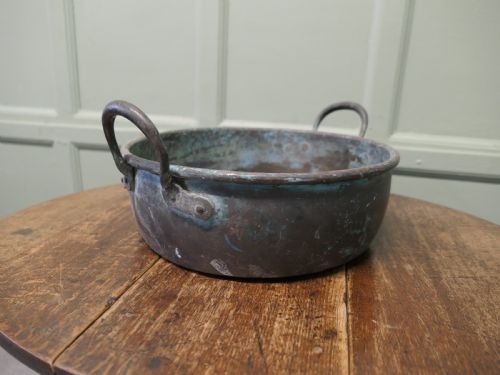
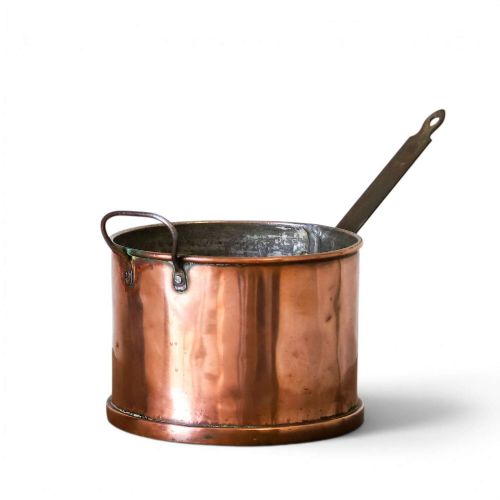
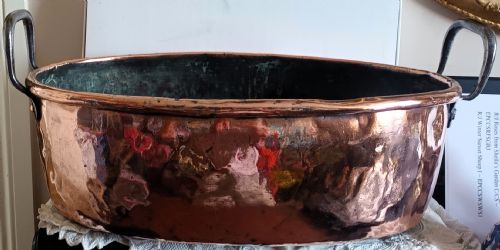
When you search for rustic metal cookware, you are looking at utilitarian kitchen vessels and hearth equipment shaped for daily domestic use in past centuries. The selection centres heavily on heavy copper preserving pans, kettles, cooking pots, and saucepans spanning the Georgian and Victorian eras.
You are most likely to meet large copper jam pans and preserves alongside kettles and saucepans originating from English and French country kitchens. These forms reflect a period when metal cookware was forged or beaten by hand for heavy open fire or stove cooking.
How they were made
The makers formed these pieces primarily from heavy gauge copper, iron, and brass, often utilising wrought iron for handles and fixings. Metal was beaten by hand to achieve the required thickness and strength needed for enduring direct heat over fires and stoves.
Surviving pieces frequently display hand-beaten textures and visible construction marks such as dovetail joints and secured handles. Tin lining was commonly applied to the interior surfaces of copper vessels to prevent food reaction with the metal.
Rustic Metal Cookware Retail Price Guide 2026
Typical asking prices for rustic metal cookware among the pieces listed under this phrase on Sellingantiques today, from the lower quarter to the upper quarter. They describe what is for sale here now, not the wider market.
Some heavy jam pans carry the faint, accidental scars of centuries-old wooden spoons stirring frantically.
What varies in quality
Quality in these pieces depends on the thickness of the metal gauge and the integrity of the original construction rather than decorative flourish. Heavier copper pans and kettles retain their structural stability better through centuries of use and cleaning.
The degree of hand-finishing and the survival of original handles, brass fittings, and iron fixings separate standard utility items from finer workshop examples. Pieces displaying crisp hand-beaten marks and balanced proportions command greater attention from collectors.
The Rustic Metal Cookware Glossary
- Jam pan
- A wide, open metal bowl designed specifically for boiling fruit and sugar, usually featuring strong handles for lifting when full.
- Daubiere
- A specialised deep cooking pot with a tight-fitting lid, historically used for braising meats slowly on the hearth.
- Gauge
- The thickness of the metal sheet used to form the vessel, where a heavier gauge denotes a more robust and durable construction.
- Cream setting pan
- A wide, shallow vessel used in dairy processing to allow cream to rise to the surface of milk before skimming.
- Hand-beaten
- A manufacturing method where metal is shaped by hammer blows, leaving subtle surface indentations that indicate manual craftsmanship.
Rustic Metal Cookware: Frequently Asked Questions
Are these pots safe for modern cooking?
Many of these antique vessels retain their original tin linings, which would need professional re-tinning if you intend to prepare food in them today.
Most buyers choose to display them as decorative kitchenware or use them for storage rather than active hearth cooking.
How do I clean old copper cookware?
Traditional copper cleaners or mild acidic mixtures of lemon and salt remove tarnishing without damaging the historic metal surface.
Avoid abrasive scrubbers that can flatten the hand-beaten texture built up over centuries of use.
How do I date an antique kettle?
Georgian kettles typically exhibit distinct handle attachments, spout designs, and heavier cast brass components compared to later Victorian iterations.
Examining the construction methods and joining techniques helps narrow down the manufacturing period to the eighteenth or nineteenth century.
What is a preserving pan used for?
Preserving pans were designed with wide brims and rounded bases to allow rapid evaporation and easy stirring when making jams and preserves over an open fire.
Their substantial copper construction ensured even heat distribution across the base and sides.