



Rustic Marble Table
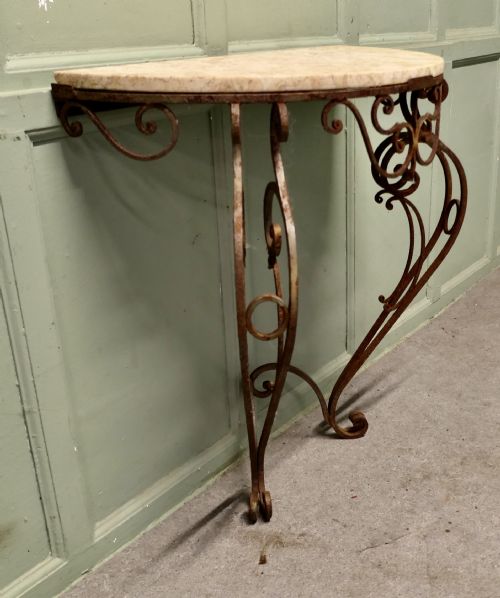
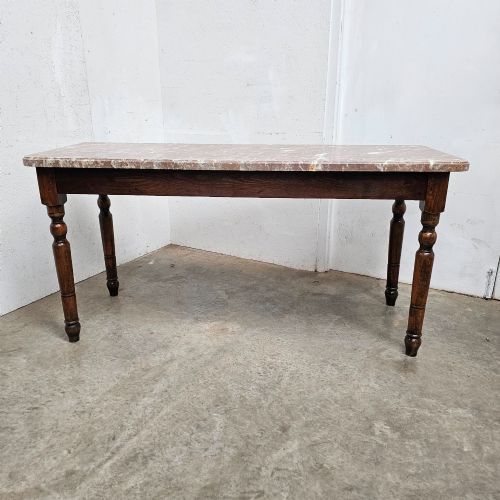
These rustic marble table examples combine heavy stone tops with sturdy timber and iron bases to anchor a country kitchen or hallway.
Rustic Marble Table
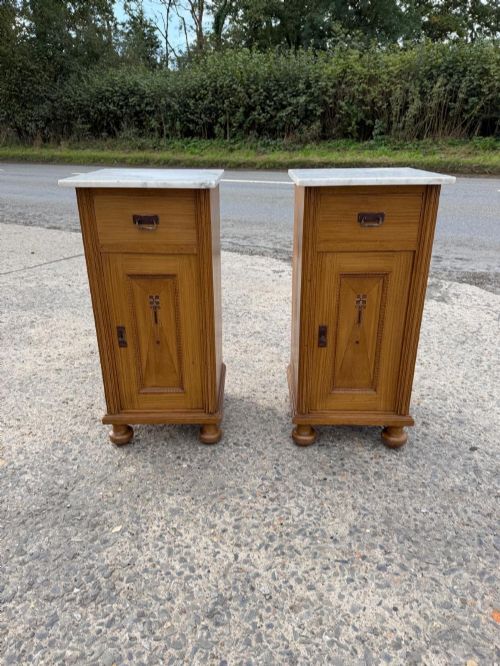
A rustic marble table brings together a cold stone surface and a functional wooden or metal base designed for daily domestic use. When you search for a rustic marble table, you encounter forms ranging from French prep benches to small bedside cabinets and console tables.
The pieces listed on this page span the nineteenth century up to nineteen hundred, encompassing Victorian, Edwardian, and various continental country styles. French provincial and Eastern European country versions appear frequently, often showing original painted finishes on pine or oak.
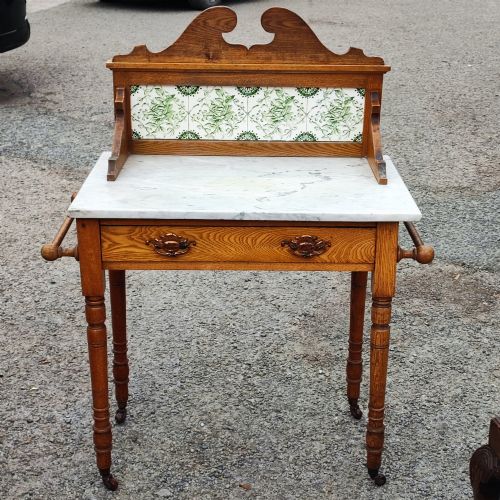
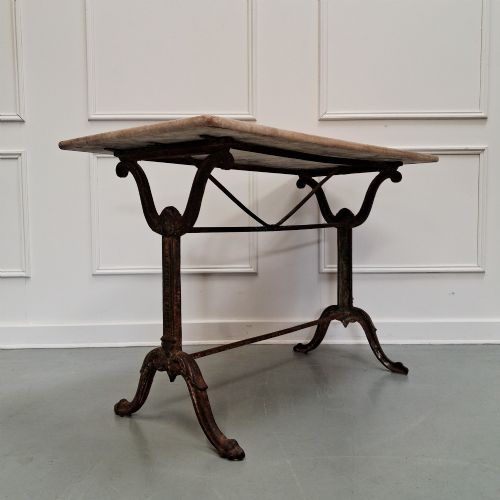
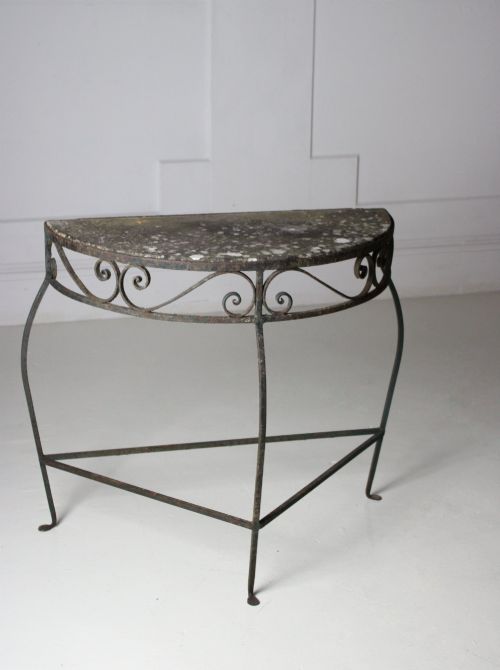
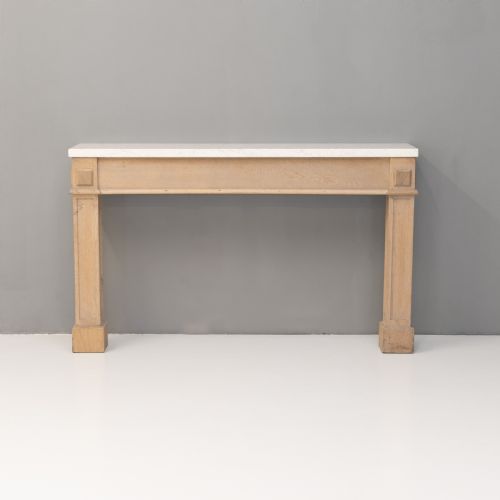
Object types include console tables, bistro tables, charcuterie and pastry prep tables, washstands, and side tables. These domestic workhorses demonstrate how stone and timber were combined for practical utility before modern composite surfaces existed.
Materials and construction
Makers utilised heavy marble slabs paired with structural frames made of pine, oak, wrought iron, or cast iron. The stone provides a cool, flat surface suited to food preparation or clean washing, while the timber or metal underframes offer rigid support.
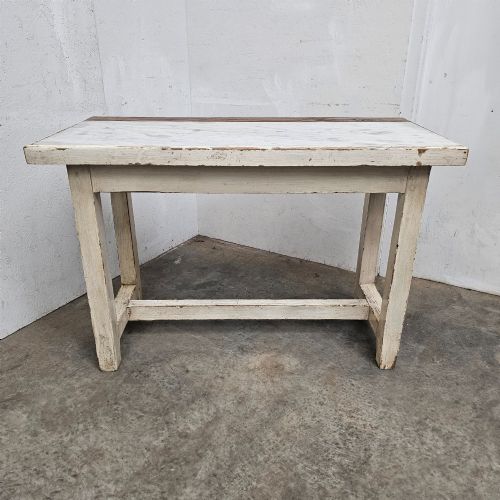
Painted finishes frequently cover the wooden elements, particularly on pieces originating from Eastern Europe and France. Wrought iron and cast iron components appear on console and bistro tables, shaped to bear the considerable weight of the marble top.
Rustic Marble Table Retail Price Guide 2026
Typical asking prices for rustic marble table among the pieces listed under this phrase on Sellingantiques today, from the lower quarter to the upper quarter. They describe what is for sale here now, not the wider market.
Some past pastry chefs allegedly kept their hands cool on the marble before kneading dough, leaving generations of invisible flour ghost-prints behind.
Assessing quality and character
Quality rests in the harmony between the heavy marble slab and its supporting base, where robust joinery ensures stability under the weight of the stone. Superior examples retain their original painted surfaces and authentic signs of historical use rather than overly restored finishes.
The character of the marble itself, along with the blacksmith's work in the iron bases or the joiner's skill in the pine and oak frames, dictates the standing of each piece. Finer items display proportion and integration between the stone top and the base frame.
The Rustic Marble Table Glossary
- Console table
- A table designed to stand against a wall, frequently featuring a marble top for display or service. These pieces often anchor hallways and living spaces.
- Prep table
- A utilitarian work surface used for culinary tasks such as pastry making, charcuterie preparation, or general kitchen chores. The marble top offers a hygienic surface that stays cool to the touch.
- Washstand
- A piece of furniture made to hold a basin and jug, often fitted with a marble top to resist splashing water. They date primarily from the Victorian and Edwardian eras.
- Wrought iron
- Iron that has been heated and shaped with hand tools by a blacksmith, creating strong and decorative structural frames. It differs from cast iron by its fibrous internal structure.
Rustic Marble Table: Frequently Asked Questions
What is a rustic marble table used for?
These tables serve multiple domestic functions depending on their original form, such as food preparation in kitchens or display surfaces in hallways. Their sturdy construction handles daily tasks easily.
The cool stone surface makes them practical for rolling pastry or setting down hot dishes, while the lower shelves or cabinets provide storage space.
How do I care for the marble top?
Marble is a softer, porous stone that reacts to acidic substances like lemon juice or vinegar, so wiping spills promptly helps maintain the finish. Using coasters and mats prevents scratching and staining.
Regular cleaning with mild, pH-neutral soap and water keeps the stone in good condition without stripping its natural patina.
Are these tables heavy to move?
The combination of solid stone and timber or iron framing makes these pieces substantially heavy, often requiring two people to lift and position them safely. The marble top is sometimes loose rather than fixed, which aids in transport.
Lifting the stone slab off the base before moving the frame reduces the total weight and prevents accidental damage to the corners.
How do I date a nineteenth century table?
Dating relies on observing construction methods, timber types, and the style of any painted finishes or ironwork present on the base. Tool marks and joinery details reveal the period of manufacture.
Comparing the hardware and overall proportions with documented examples from the Victorian and Edwardian eras helps confirm the timeline.