

Rustic Lighting
Rustic lighting brings tactile warmth to a room through grounded forms in wrought iron, copper, brass, and carved wood.
Rustic Lighting
Rustic lighting encompasses practical illumination rooted in traditional crafts, spanning floor lamps, wall lights, table lamps, and candle holders. When exploring rustic lighting, buyers frequently encounter pieces forged by blacksmiths or carved from timber, reflecting utilitarian origins.
The selections here draw from the nineteenth century through to the early twentieth century, incorporating styles such as Arts and Crafts and Black Forest. Surviving examples range from tall wrought iron candlestick stands to copper wall lights and carved wood animal lamps.
Floor lamps and wall sconces dominate the surviving inventory, alongside specialised pieces like glazed pottery vase lamps and hand-stitched lanterns. These objects bridge the gap between functional household items and decorative folk art.
Materials and construction
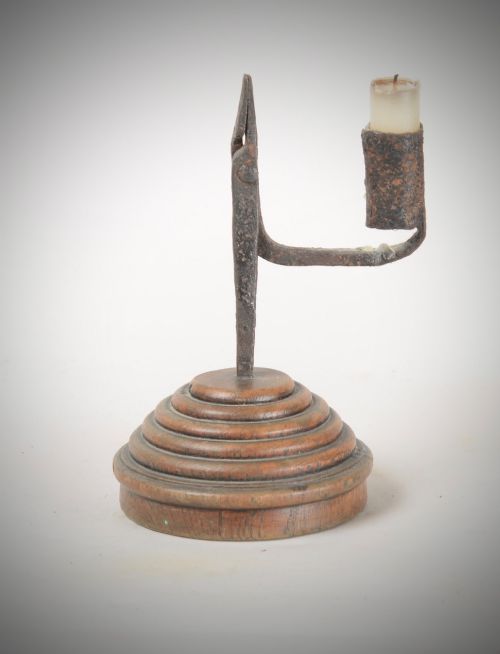
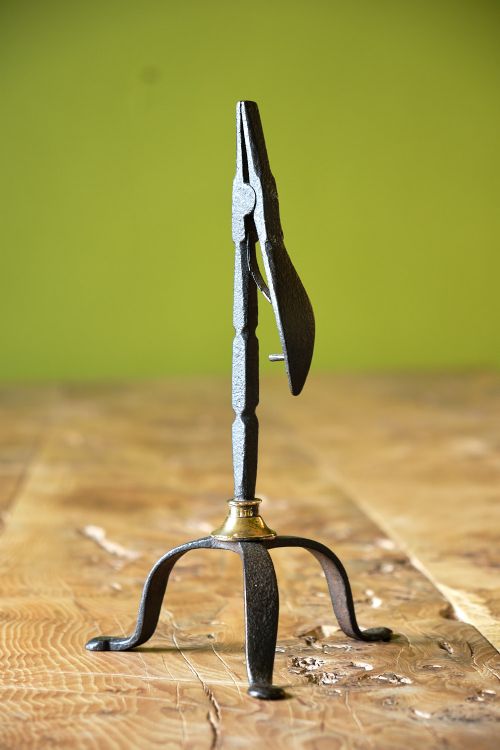
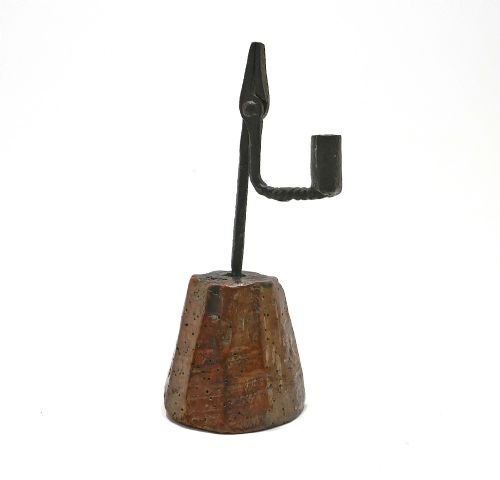
Makers relied heavily on wrought iron and copper for metalwork components, shaping stands and wall brackets by hand to achieve durable, load-bearing structures. Blacksmiths manipulated hot metal on anvils, leaving hammer marks and tool textures visible on candlesticks and floor lamps.
Workmanship in this category prioritizes robust joinery and hand-finished surfaces over factory standardisation. Materials show natural grain variations and patination accumulated through decades of use.
Rustic Lighting Retail Price Guide 2026
Typical asking prices for rustic lighting among the pieces listed under this phrase on Sellingantiques today, from the lower quarter to the upper quarter. They describe what is for sale here now, not the wider market.
Listings for rustic lighting feature materials such as wrought iron, copper, brass, oak, pine, glass, and vellum.
Assessing quality in rustic lighting
Quality rests in the integrity of the hand-forging or carving and the preservation of original surfaces. Evaluators look at the crispness of detail in carved wooden elements, such as animal figures or foliage, and the balanced proportions of wrought iron stands.
The degree of unaltered originality separates standard utility pieces from finer examples. Components that retain their original patinated copper, unpainted wrought iron, or period wiring setups command stronger interest from collectors.
Subtlety in design distinguishes workshop production from mass manufacturing. Hand-stitched vellum elements, precise blacksmithing joints, and thoughtful integration of materials indicate superior workshop execution.
The Rustic Lighting Glossary
- Wrought iron
- Iron that has been heated and shaped with hand tools by a blacksmith. This material provides the tensile strength required for tall, slender floor lamp stands and wall brackets.
- Arts and Crafts
- A design movement valuing traditional craftsmanship and simple forms over industrial mass production. Pieces from this style often feature exposed metalwork and honest construction methods.
- Black Forest
- A style of wood carving originating from central Europe, known for realistic depictions of animals and foliage. Bear motifs frequently appear on these carved lamps and candlesticks.
- Vellum
- Fine parchment made from calfskin, used historically for lamp shades and lanterns. It diffuses light softly while adding a tactile organic texture to the fixture.
- Patina
- The surface sheen and colour acquired by materials through age, handling, and oxidation. A well-preserved patina indicates decades of authentic use without aggressive cleaning.
Rustic Lighting: Frequently Asked Questions
How do I wire antique lamps for modern use?
Most period lighting requires rewiring by a qualified electrician to meet current safety standards while preserving the original metal or wooden body.
Fittings can usually be adapted with modern internal flex without altering the exterior appearance of the piece.
What rooms suit rustic lighting best?
These pieces add textural contrast to contemporary spaces and complement traditional period interiors with exposed timber or stone.
Floor lamps and wall lights work effectively in reading corners, hallways, and living rooms needing warm illumination.
How do I clean wrought iron fixtures?
Dust metal surfaces gently with a dry, soft cloth to remove everyday particles without disturbing the underlying surface.
Avoid using harsh chemical polishes or abrasive pads that can strip away the historical patina built up over generations.
Can I mix different metal finishes?
Combining wrought iron, copper, and brass works naturally within a rustic scheme because these materials share organic textures and warm tones.
Focus on consistency in scale and period rather than matching metal types exactly across a room.