




Rustic Kitchen Storage Unit
A rustic kitchen storage unit brings practical heritage into a modern room, offering generous space for dry goods, crockery, and everyday tools.
Rustic Kitchen Storage Unit
A rustic kitchen storage unit encompasses a variety of traditional forms designed for food preparation and storage, including larder cupboards, dressers, and sideboards. These pieces originate from domestic and provincial settings, spanning the eighteenth century through to the early twentieth century.
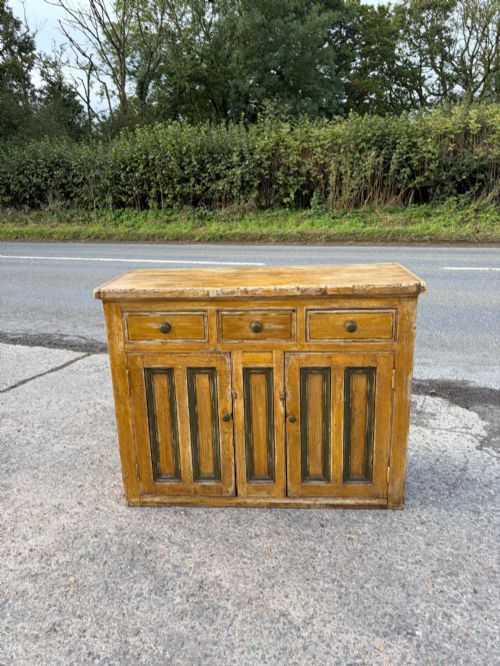
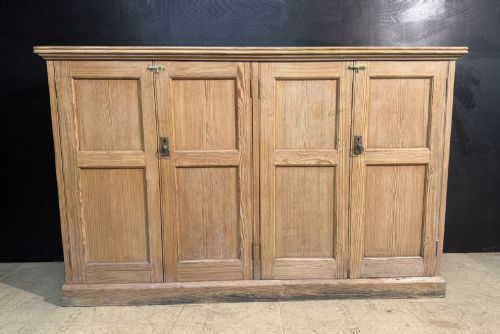
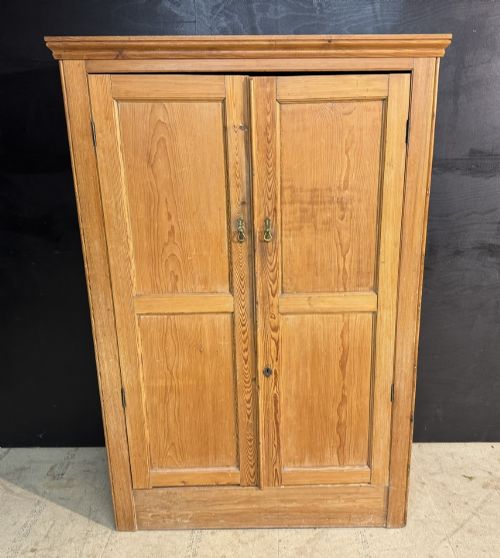
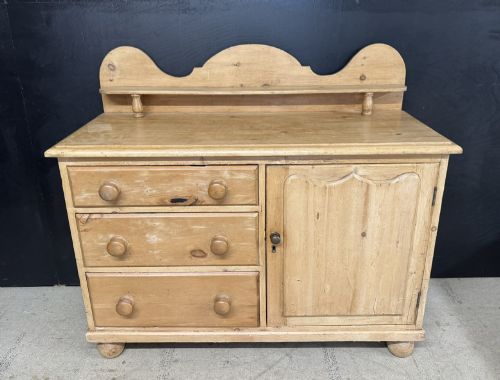
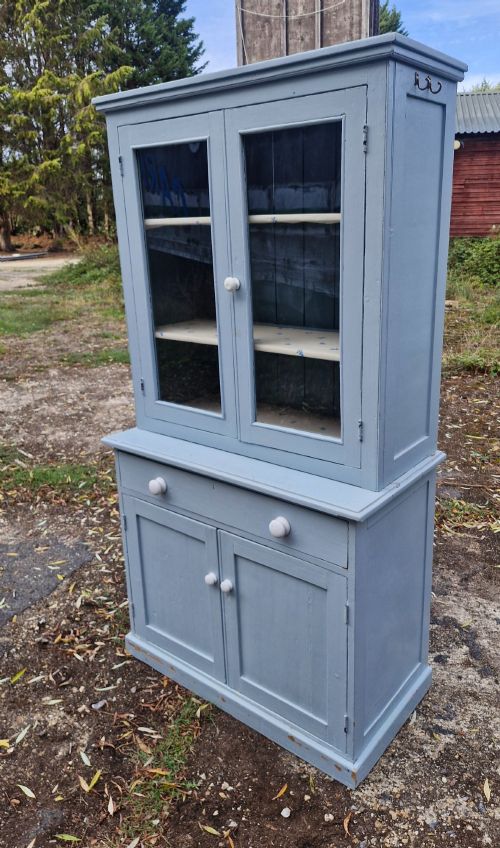
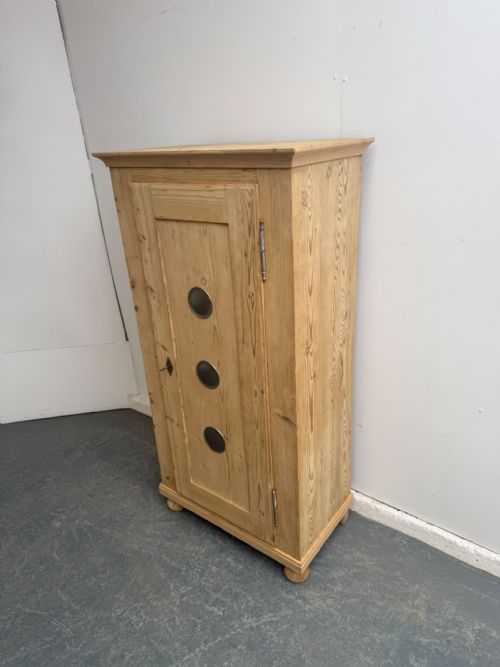
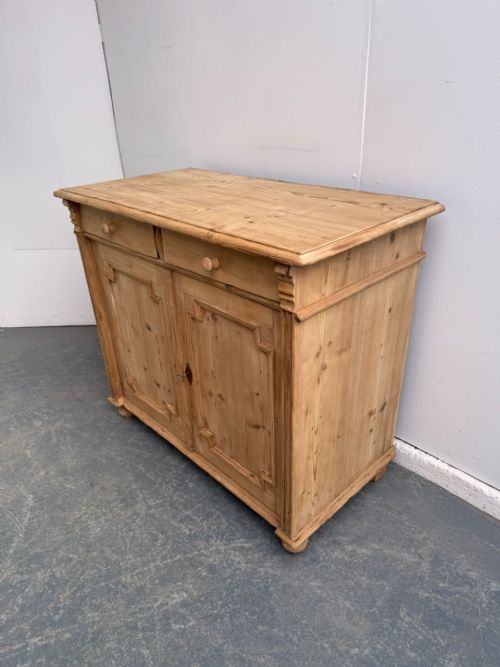
The pine larder cupboard and the kitchen dresser form the majority of choices seen here, often featuring multiple doors, drawers, or open plate racks. Oak, walnut, and painted surfaces also appear, reflecting French provincial, Georgian country, and Victorian styles.
Materials and construction
Makers relied heavily on solid pine, oak, and walnut, building carcases with pegged joints and thick timber panels to withstand daily culinary use. Brass and iron hardware, such as hinges and drop handles, secure doors and drawers while adding functional contrast to the wood.
Surfaces frequently show historical treatments like original paint, distemper, or wax finishes applied over time. Ventilation grilles and glazed panels appear on specific larder cupboards to maintain airflow for food preservation.
Rustic Kitchen Storage Unit Retail Price Guide 2026
Typical asking prices for rustic kitchen storage unit among the pieces listed under this phrase on Sellingantiques today, from the lower quarter to the upper quarter. They describe what is for sale here now, not the wider market.
Pine dominates the material selections across these listings, spanning the Victorian era and the nineteenth century.
Assessing quality
Proportion and timber selection dictate the distinction between standard utility items and finer regional pieces. Well-judged cornice mouldings, balanced door panels, and original backboards indicate superior cabinet-making.
The integrity of the underlying timber and the survival of early or original paint finishes determine the character of a piece. Thick pine construction with minimal structural alterations commands greater interest among traditional storage furniture.
The Rustic Kitchen Storage Unit Glossary
- Larder cupboard
- A tall storage cabinet traditionally used for food preservation, frequently fitted with internal shelves and ventilated doors. These pieces keep provisions organised and cool.
- Dresser
- A multi-purpose furniture form combining lower cupboards or drawers with an upper section for plate display. They anchor farmhouse and country kitchens.
- Buffet vaisselier
- A French regional term for a two-part storage combination featuring a lower buffet and an upper display section. Walnut and oak examples typify provincial craftsmanship.
- Distemper
- A traditional water-based paint medium using binder, chalk, and pigment. It yields a matte finish found on older painted furniture.
- Plate rack
- An open wooden shelving attachment designed to hold plates upright for drying and display. They form the upper component of many traditional dressers.
Rustic Kitchen Storage Unit: Frequently Asked Questions
What is a rustic kitchen storage unit?
A rustic kitchen storage unit is a traditional piece of wooden furniture designed to store food, utensils, and tableware in a domestic setting.
These functional items include larder cupboards, dressers, and sideboards made from materials like pine, oak, and walnut during past centuries.
How were old larder cupboards used?
Old larder cupboards served as the primary food storage space before domestic refrigeration became common, keeping perishables cool and protected.
Ventilated panels allowed air circulation to preserve dry goods, cheese, and cured meats within the farmhouse kitchen.
How do I clean a painted pine cupboard?
Clean painted pine surfaces gently using a soft, dry cloth or a slightly damp cloth with mild soap, avoiding harsh chemical solvents.
Many older pieces carry fragile historic paint or wax finishes that require gentle maintenance to preserve their original appearance.
How can I tell the period of a dresser?
Dating a dresser involves examining construction methods, timber choice, hardware styles, and tool marks visible on the interior boards.
Eighteenth-century examples often display pegged joinery and hand-planed surfaces, whereas nineteenth-century pieces may show machine-sawn elements and different brass or iron fittings.