

Rustic Kitchen Cabinet
A rustic kitchen cabinet anchors a home with honest utility, offering sturdy shelving and deep cupboards built from enduring pine and oak.
Rustic Kitchen Cabinet
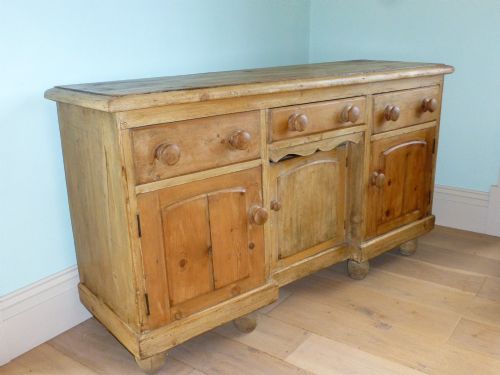
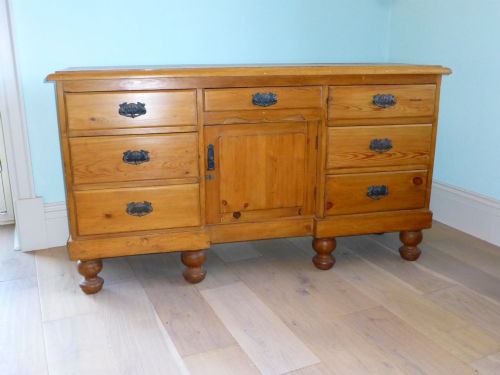
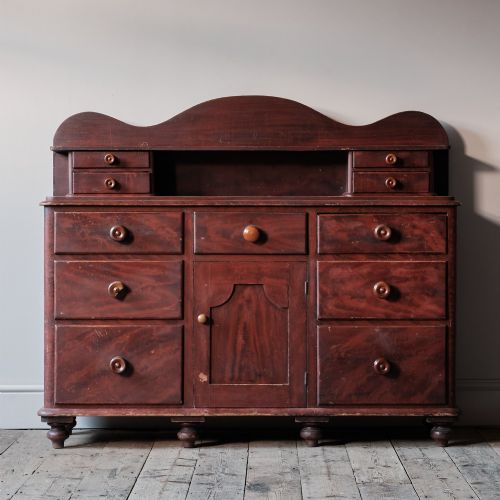
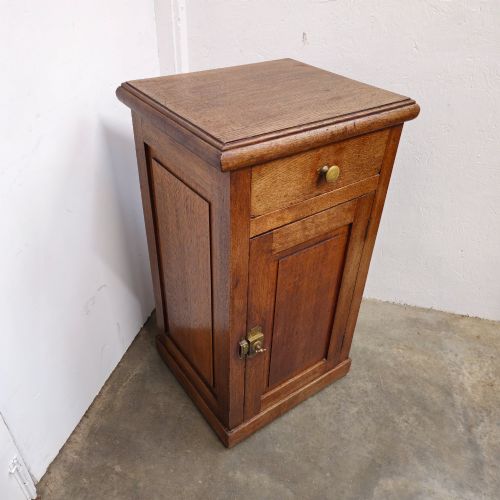
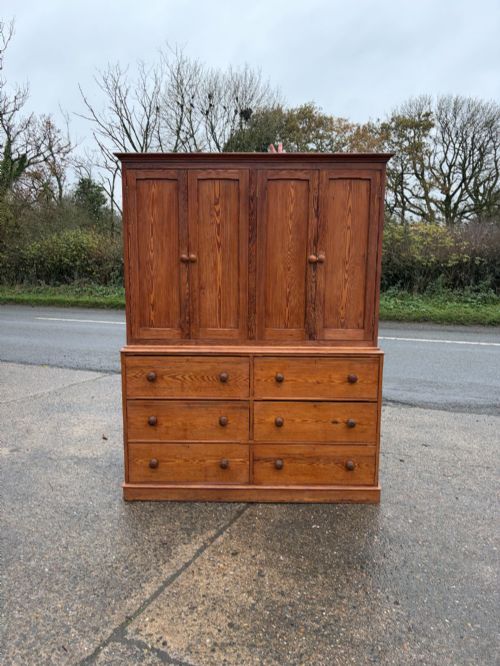
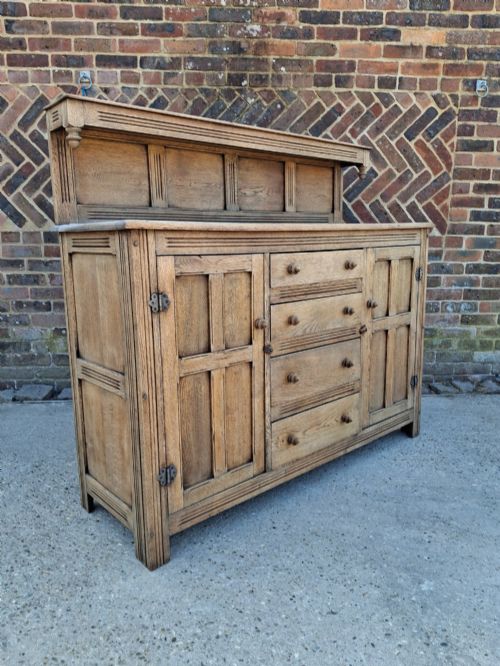
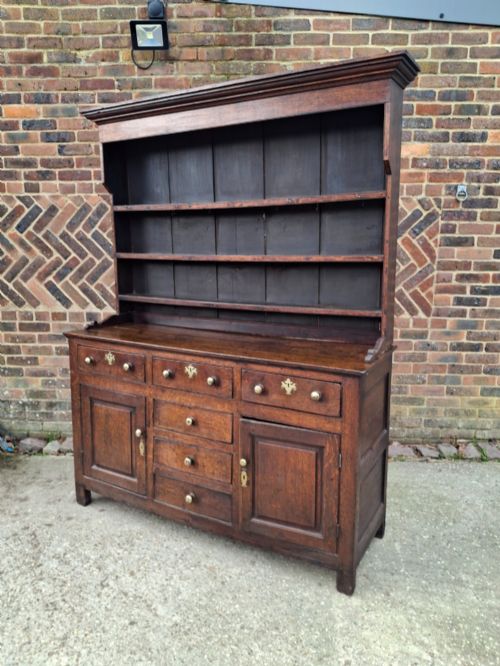
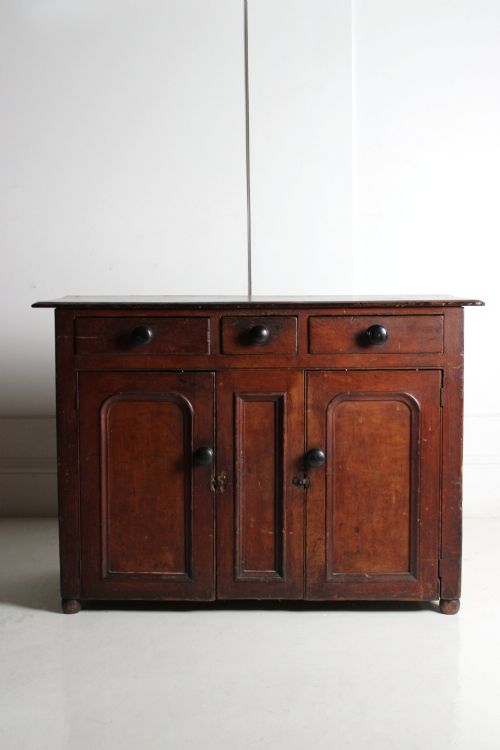
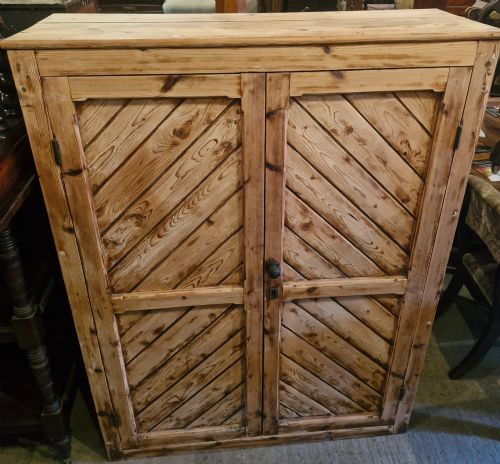
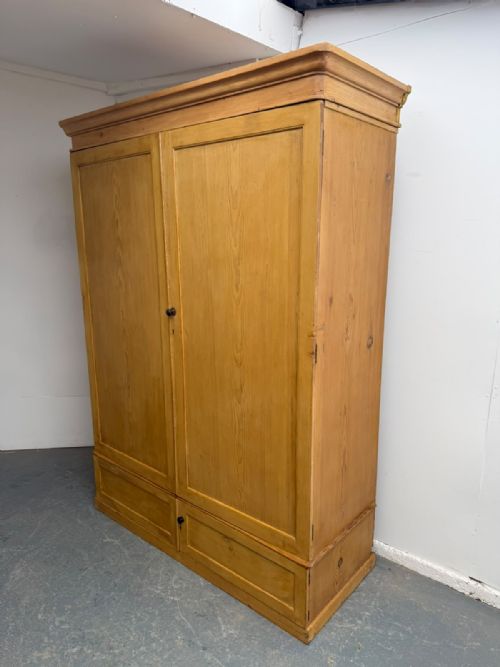
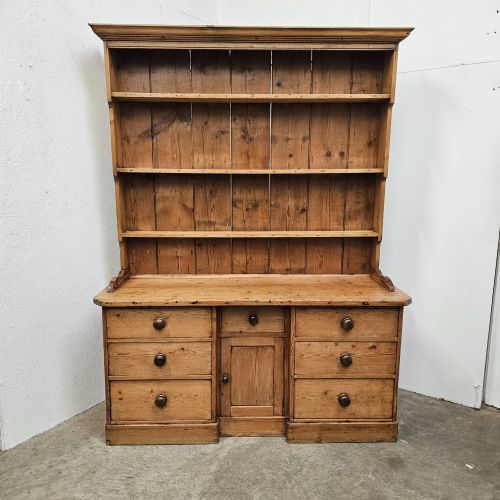
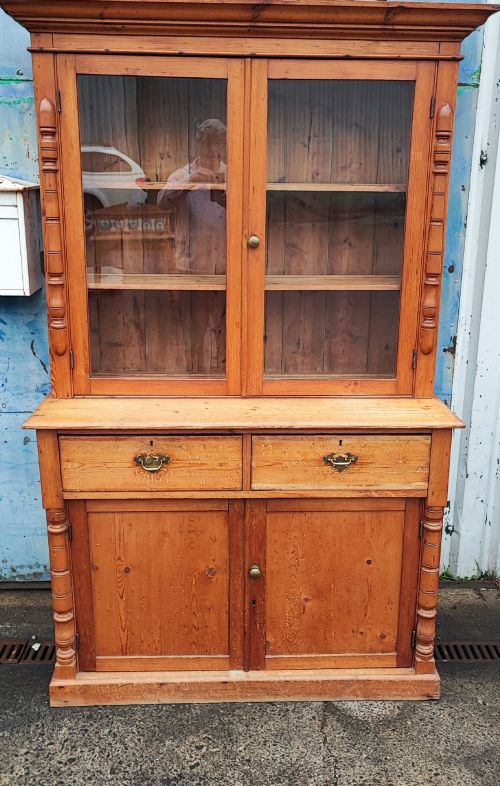
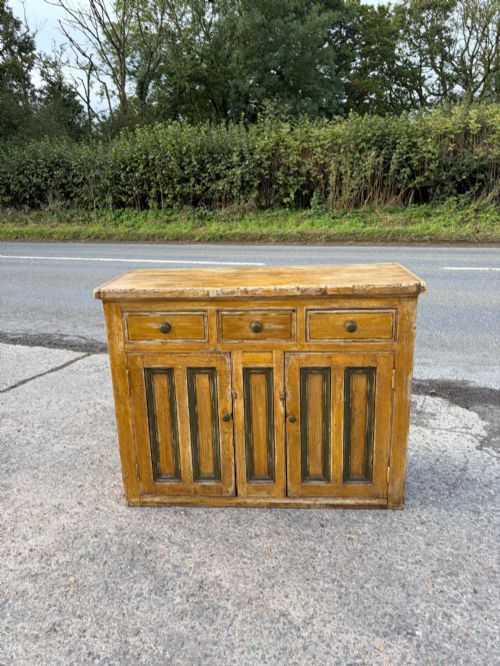
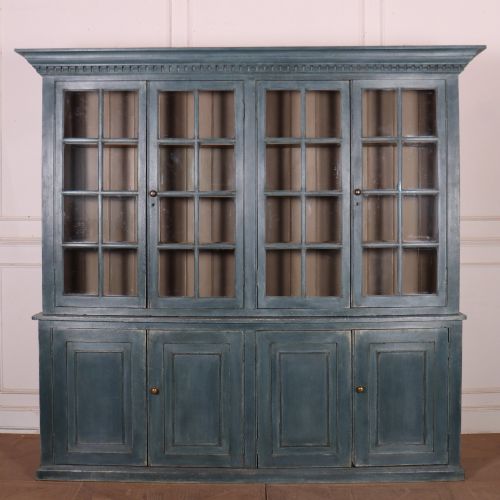
A rustic kitchen cabinet brings functional country storage into domestic spaces, drawing from traditions spanning the eighteenth, nineteenth, and early twentieth centuries. These pieces encompass kitchen dressers, housekeeper's cupboards, larder units, and dresser bases designed for daily domestic service.
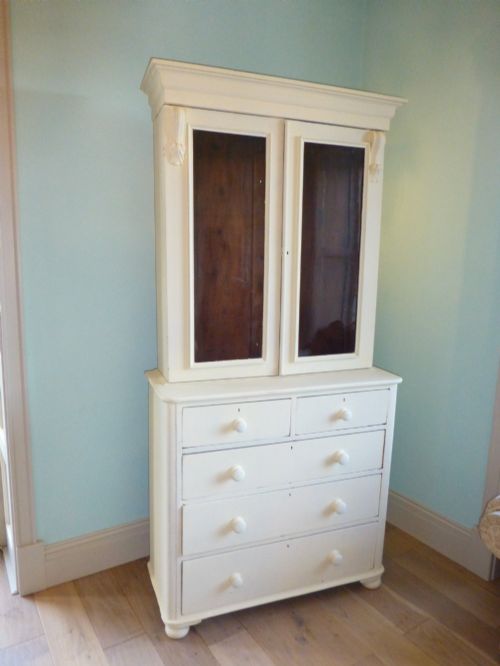
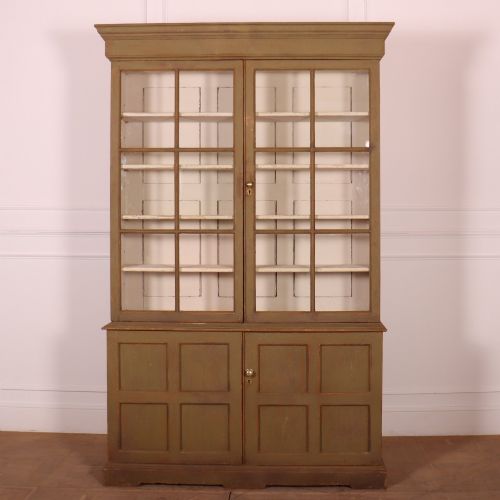
Pine and oak form the backbone of these listings, often finished in original paint, historical wax, or left as bare timber. Buyers encounter everything from narrow wall-mounted racks to large two-part dressers with glazed upper sections.
Materials and construction
Timbers like native pine and sturdy oak provide the structural integrity for these cabinets, shaped by joiners using traditional pegged and jointed construction. Many examples retain their original brass or iron hardware, along with hand-carved details and turned legs.
Surface treatments play a vital role in their manufacture, utilising layers of historic paint finishes, protective wax, or natural ageing to create an authentic patina. Glazed doors and vented panels incorporated into the design rely on careful carpentry to house glass and metal mesh securely.
Rustic Kitchen Cabinet Retail Price Guide 2026
Typical asking prices for rustic kitchen cabinet among the pieces listed under this phrase on Sellingantiques today, from the lower quarter to the upper quarter. They describe what is for sale here now, not the wider market.
Listings feature pine and oak construction across Victorian, Edwardian, and Georgian periods, utilising painted wood, brass, and glass.
Assessing quality
Quality rests upon the integrity of the original timber and the retention of authentic surface treatments, such as unblemished historic paint or deep patinated wax. Superior examples exhibit sound joinery, balanced proportions, and original hardware that has weathered decades of kitchen use without losing stability.
Rushworth's
The Rustic Kitchen Cabinet Glossary
- Welsh dresser
- A traditional kitchen storage unit featuring open shelves above a lower base of drawers and cupboards. This form was originally used for displaying pewter and storing culinary utensils.
- Confiturier
- A French jam cupboard designed to store preserves and provisions. These compact cabinets typically stand on slender legs with a single door enclosing interior shelving.
- Housekeeper's cupboard
- A large tall storage piece built to hold household linens, dry goods, and provisions. They often incorporate multiple deep drawers and spacious lower shelving.
- Patina
- The surface sheen and coloration developed through years of handling, waxing, and exposure to light. This finish reveals the age and history of the wood.
- Dresser base
- The lower section of a two-part Welsh dresser standing independently as a sideboard. It combines drawers and cupboard space beneath a sturdy wooden top.
Rustic Kitchen Cabinet: Frequently Asked Questions
What is a rustic kitchen cabinet used for?
These cabinets serve as practical storage furniture for dishware, dry goods, and kitchen utensils. Their open shelves and deep cupboards help organise everyday items while displaying ceramics.
Historically, they formed the central working station of a country kitchen. Today, they bring functional surface area and vintage character into modern dining spaces.
How do I care for waxed pine furniture?
Maintain waxed pine surfaces by dusting regularly with a soft cloth and applying a quality beeswax periodically. Avoid placing these pieces near direct heat sources or damp areas to protect the wood.
Treating the timber gently preserves the historical patina and prevents the surface from drying out. A light buffing restores the natural sheen of the aged finish.
Are these cabinets made from solid wood?
Traditional country furniture relies entirely on solid native timbers such as pine and oak. Joiners constructed the panels, frames, and internal shelving without modern veneers or manufactured boards.
This solid construction allows the wood to age naturally and ensures the structure remains repairable over generations. Solid timber also accepts historical wax and paint finishes authentically.
How can I tell the period of a dresser?
Dating relies on examining construction methods, tool marks, hardware types, and underlying materials. Eighteenth and nineteenth-century pieces often display hand-cut joinery and forged iron fittings rather than modern screws.
Stylistic cues such as turned legs, moulding profiles, and the presence of original paint layers also point toward specific decades. Comparing regional design traits helps narrow down the origin.