



Rustic Italian Furniture
Rustic Italian furniture brings honest regional character and warm patinated timber into a room, offering robust storage and display forms shaped by centuries of domestic use.
Rustic Italian Furniture
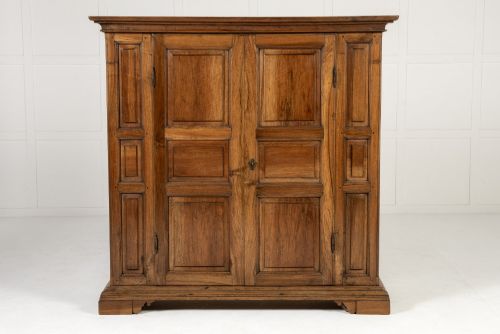
Rustic Italian furniture encompasses traditional storage and dining pieces originating from Italian provinces, most notably represented here by walnut cabinets, cupboards, and commodes dating from the eighteenth century. These forms reflect the practical demands of historic Italian interiors, prioritising sturdy construction and everyday utility.
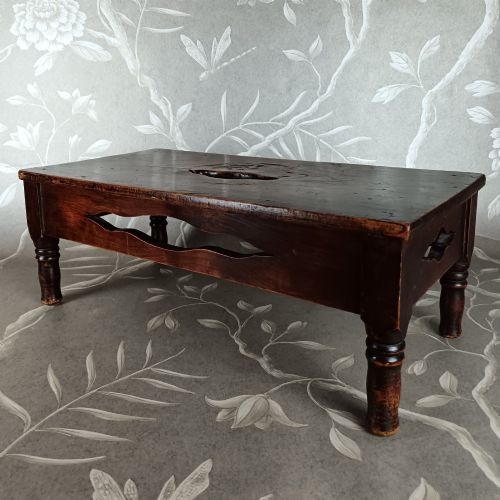
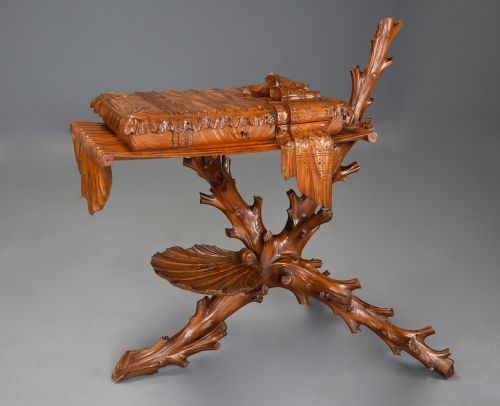
Buyers seeking rustic Italian furniture will frequently encounter seventeenth and eighteenth-century walnut items alongside late nineteenth-century pine examples. The selection ranges from functional shelving and sideboards to decorative grotto work tables.
Regional variants within this category include Tuscan cabinets and painted commodes, demonstrating how local workshops adapted standard European forms to suit Italian materials and tastes. Each piece provides a direct link to historic domestic life through its aged timber and honest construction.
How they were made
Makers constructed these pieces primarily using solid walnut and pine, often combining heavy timber boards with carved decorative elements. Iron and brass hardware such as hinges and handles were forged by hand to secure doors and drawers.
Surfaces were frequently finished with paint or left to develop a natural patina over centuries of handling and environmental exposure. Carving techniques ranged from simple moulded panels to intricate grotto motifs executed in pine.
Rustic Italian Furniture Retail Price Guide 2026
Typical asking prices for rustic italian furniture among the pieces listed under this phrase on Sellingantiques today, from the lower quarter to the upper quarter. They describe what is for sale here now, not the wider market.
Listings span the eighteenth and nineteenth centuries, featuring walnut, pine, iron, and painted timber.
What varies in quality
Quality in these pieces depends upon the integrity of the original timber and the depth of the patination accumulated across centuries. Untouched surfaces and early hardware elevate a piece above examples that have undergone heavy structural intervention.
The sophistication of the carving and the proportions of the joinery distinguish provincial workshops from master cabinetmakers. Finer examples display balanced cornices and harmonious door panels that remain true to their period of origin.
The Rustic Italian Furniture Glossary
- Commode
- A low chest of drawers or cabinet designed for domestic storage. Eighteenth-century Italian examples often feature original painted finishes.
- Grotto work
- A decorative style inspired by natural shell and rock formations, frequently carved in wood during the nineteenth century. This technique created textured, organic surfaces on tables and furnishings.
- Pedestal cupboard
- A closed storage unit raised on a central base or short feet. These compact pieces were common in Tuscan interiors.
- Provincial
- Describing items made in regional centres rather than major capital cities. Such pieces reflect local tastes and available materials rather than court fashions.
Rustic Italian Furniture: Frequently Asked Questions
What defines rustic Italian furniture?
These pieces are defined by their regional origins in Italy, employing local woods like walnut and pine for practical domestic use.
They bridge the gap between simple utility and distinct stylistic traditions, such as Tuscan cabinetry or painted commodes.
How do I date these pieces?
Dating relies on examining the timber species, joinery methods, and the presence of original painted or waxed surfaces.
Eighteenth-century examples typically show dense walnut construction, whilst later nineteenth-century pieces often utilise carved pine.
Where were these pieces used?
They originated in provincial dining rooms, kitchens, and private chambers across Italy as functional storage and dining furniture.
Cabinets, sideboards, and commodes served to store household provisions, linens, and valuables.
How do I care for antique timber?
Maintain stable indoor humidity and avoid placing pieces near direct heat sources to prevent the historic wood from splitting.
Apply traditional beeswax occasionally to nourish the dry surface and preserve the natural patination.