

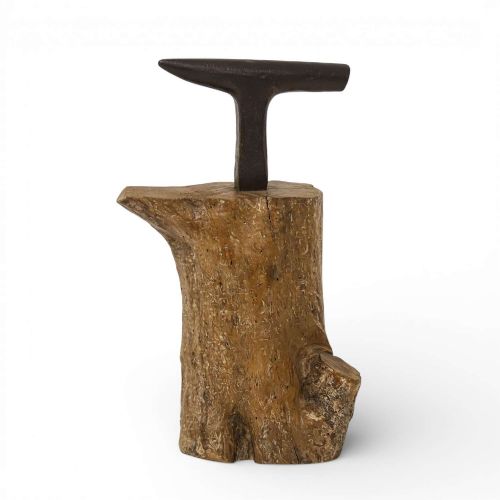
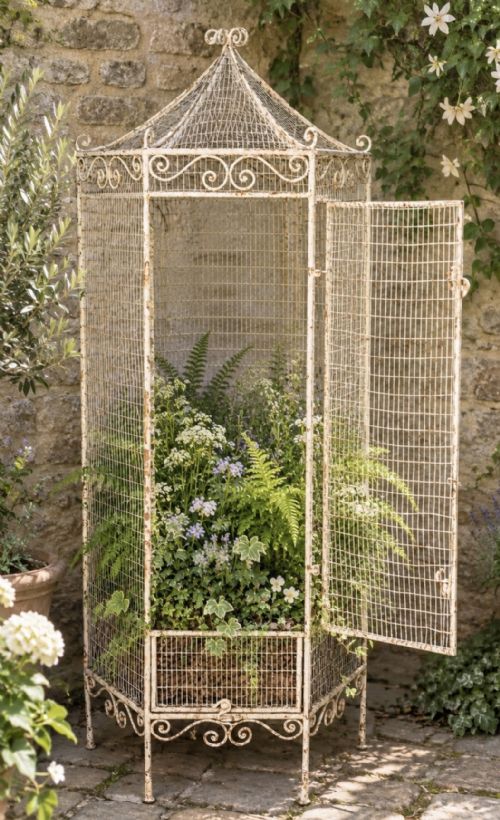
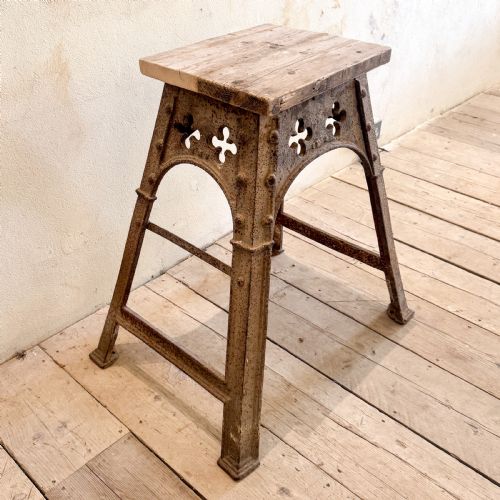
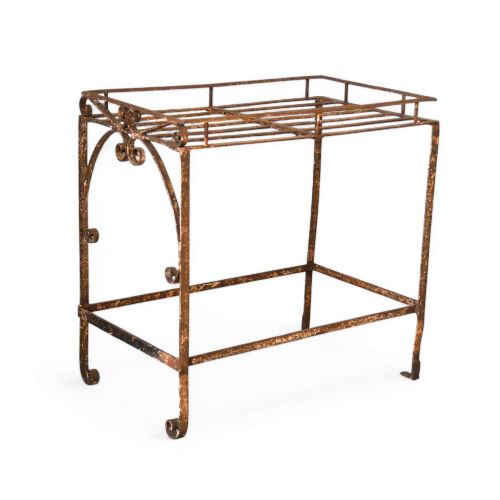


Rustic Iron Stand
A rustic iron stand brings functional utility and industrial character to a room, spanning periods from the eighteenth century to the mid twentieth century.
Rustic Iron Stand
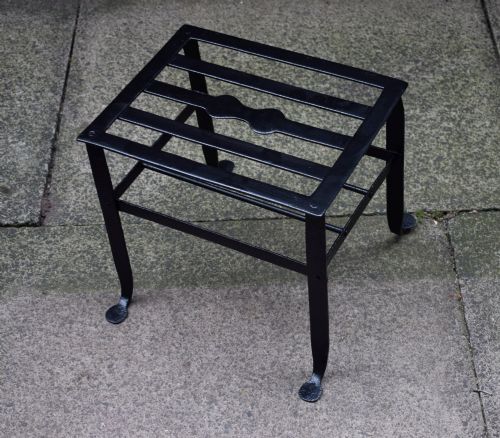
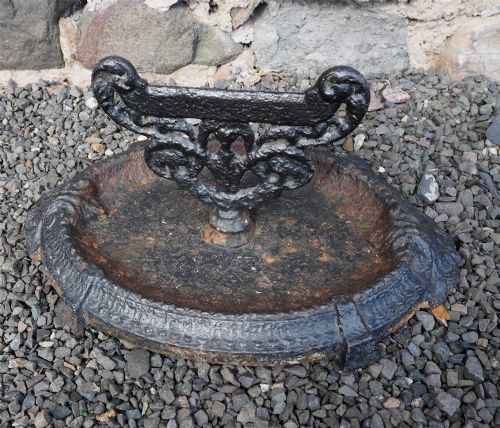
A rustic iron stand encompasses practical household items and architectural pieces designed for utility and display across the eighteenth century, nineteenth century, and twentieth century. When exploring a rustic iron stand, buyers encounter utilitarian forms ranging from candle holders and plant supports to furniture bases and boot scrapers.
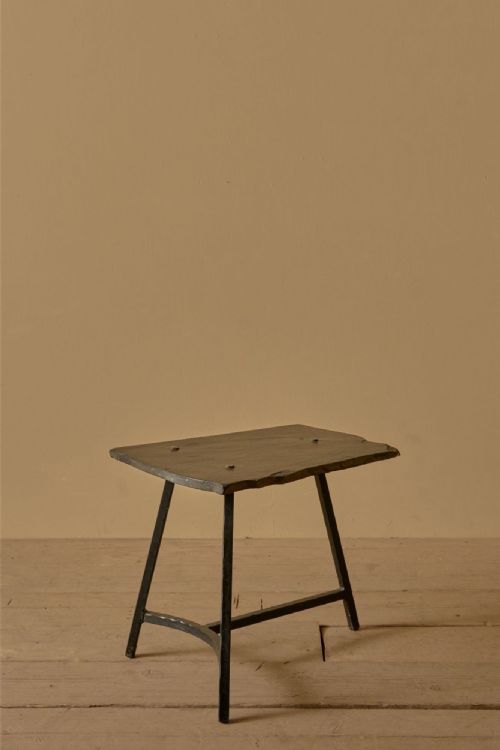
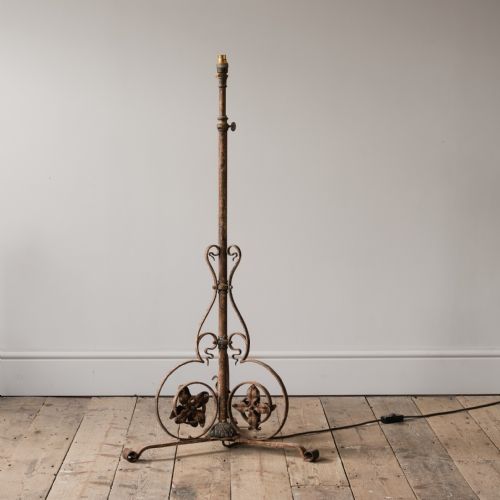
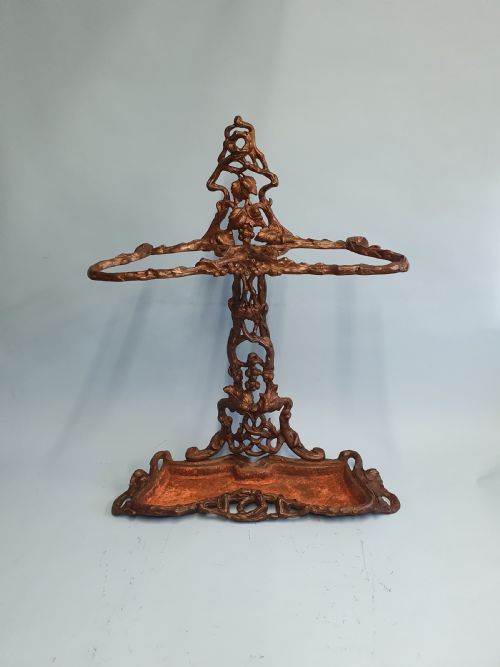
The selection on this page leans heavily toward nineteenth-century and Victorian examples alongside twentieth-century French and English pieces. Common configurations include adjustable floor lamps, plant stands, side tables, and stick stands fashioned from robust metals.
Makers ranged from village blacksmiths producing vernacular items for estate use to commercial foundries manufacturing cast pieces. Each object carries the functional marks of its original domestic, garden, or workshop environment.
How they were made
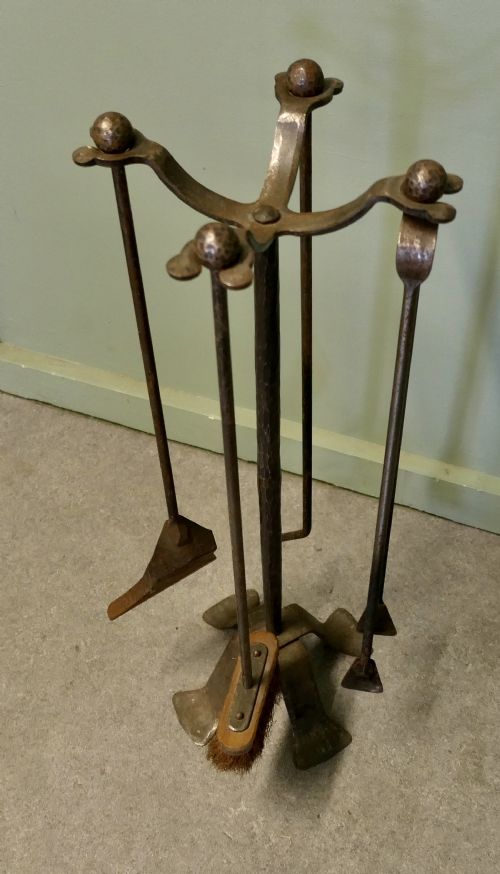
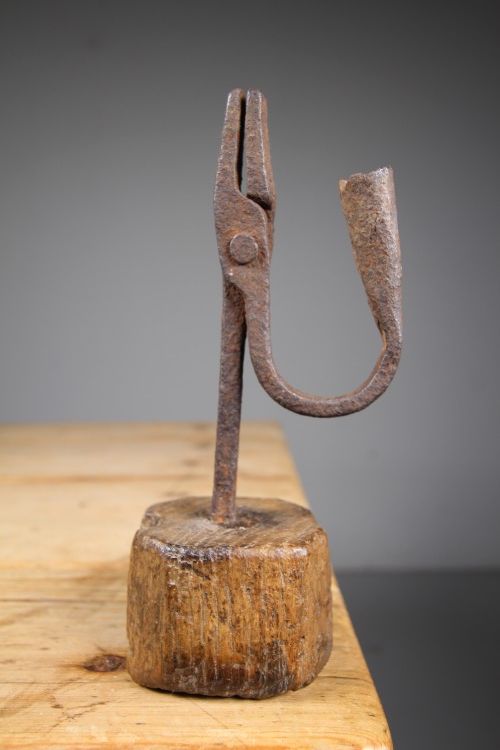
Items fashioned from wrought iron display the hammer marks and visible joints of blacksmith construction, often shaped over an anvil while heated. Cast iron pieces utilise moulds to achieve decorative scrollwork, structural rigidity, and uniform patterns found in boot scrapers and stick stands.
Many examples combine iron components with supporting elements of hardwood, oak, or fruitwood, reflecting the practical integration of available materials. Paint, natural timber finishes, and patinated metal surfaces complete the construction of these utilitarian objects.
Rustic Iron Stand Retail Price Guide 2026
Typical asking prices for rustic iron stand among the pieces listed under this phrase on Sellingantiques today, from the lower quarter to the upper quarter. They describe what is for sale here now, not the wider market.
Listings feature wrought iron, cast iron, and timber combinations spanning the eighteenth, nineteenth, and twentieth centuries.
What varies in quality
The distinction between ordinary and exceptional pieces lies in the fluidity of the blacksmith's handwork or the crispness of the foundry casting. Superior items display deliberate proportions, balanced scrollwork, and an honest integration of metal and timber elements.
Condition and originality dictate the standing of a piece within its type, particularly where adjustments, surface paint, or structural supports remain undisturbed by later restoration. Vernacular objects derive their appeal from unpretentious utility and direct construction methods.
A. Kenrick & Sons
The Rustic Iron Stand Glossary
- Wrought iron
- Iron that has been heated and hammered into shape by a blacksmith. This material yields fibrous textures and individual variations unique to manual fabrication.
- Cast iron
- Molten iron poured into a mould to create solid objects or decorative forms. This technique allows for repeatable patterns and intricate structural details.
- Pricket candlestick
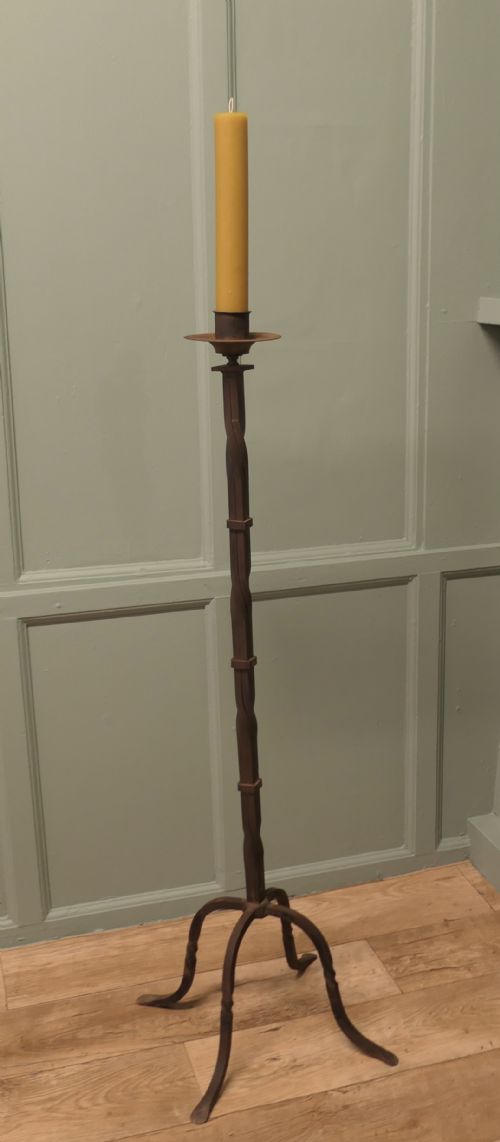
- A candlestick featuring an upward-facing spike to secure a candle rather than a socket. These forms are frequently encountered in larger floor-standing formats.
- Rushlight
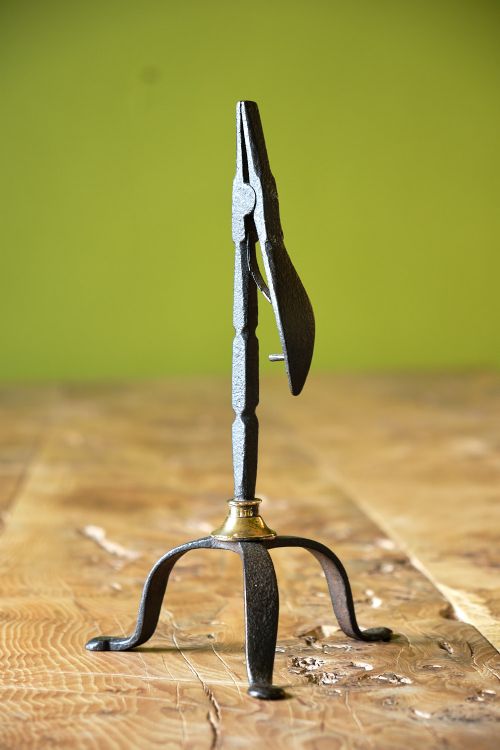
- A simple lighting device consisting of an iron clip held by a spring or weight to grip a rush soaked in fat. These humble domestic items date back centuries.
- Gueridon
- A small French round table supported by a central pillar or tripod base. They appear in iron and timber combinations across various nineteenth-century periods.
Rustic Iron Stand: Frequently Asked Questions
What is a rustic iron stand used for?
These items served varied practical purposes in domestic and agricultural settings, including holding candles, supporting lanterns, and organising walking sticks or garden tools.
Today, buyers integrate these durable utilitarian objects into modern interiors as plant supports, side tables, and functional decorative focal points.
How do I date a cast iron piece?
Dating relies on stylistic markers, construction methods, and foundry stamps where present, comparing pieces against documented Victorian and nineteenth-century production standards.
Surface patination and the wear patterns on contact points also offer clues to the age and operational history of the metalwork.
What is the difference between wrought and cast iron?
Wrought iron is manually shaped by a blacksmith using heat and hammers, resulting in distinct surface textures and bespoke construction details.
Cast iron involves pouring liquid metal into a mould, producing precise decorative details and heavier structural forms defined by the pattern maker's design.