



Rustic Horse Painting
A rustic horse painting captures the enduring bond between working animals and the land, offering a grounded charm that suits country interiors.
Rustic Horse Painting
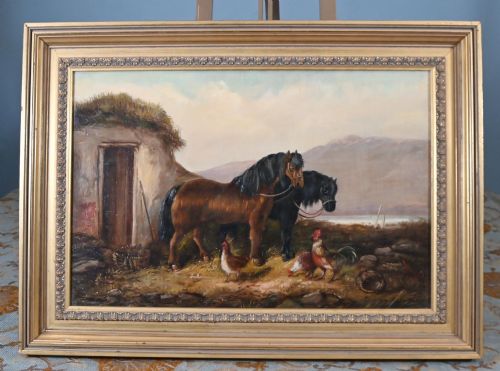
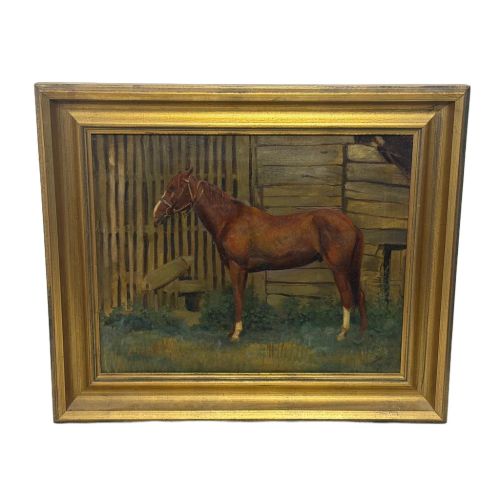
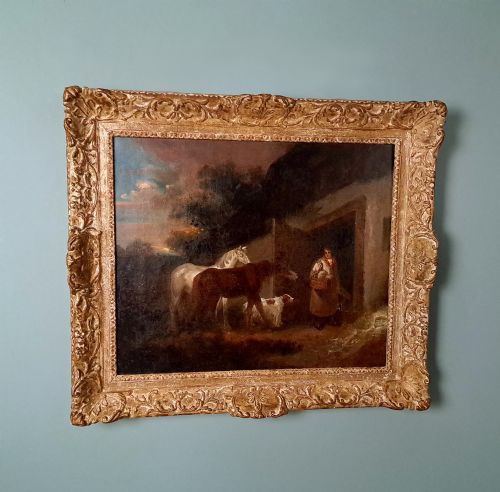
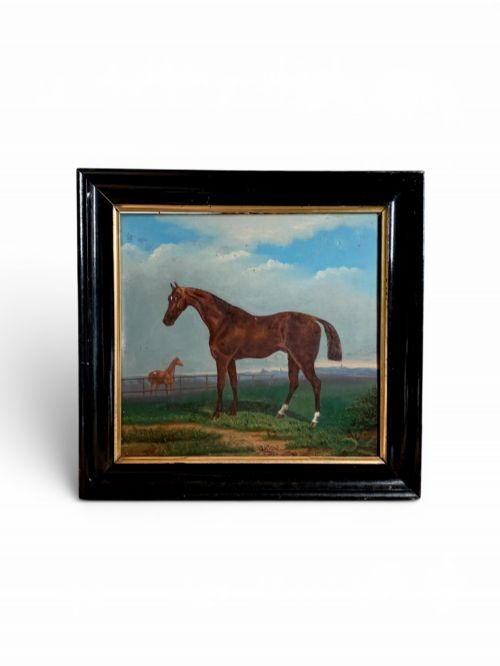
When you search for rustic horse painting, you encounter works that range from 19th-century pastoral scenes to folk art and mid-century British equestrian studies. The most common examples on this page are oil paintings on canvas or board depicting horses at work in fields, farmyards, and stable interiors.
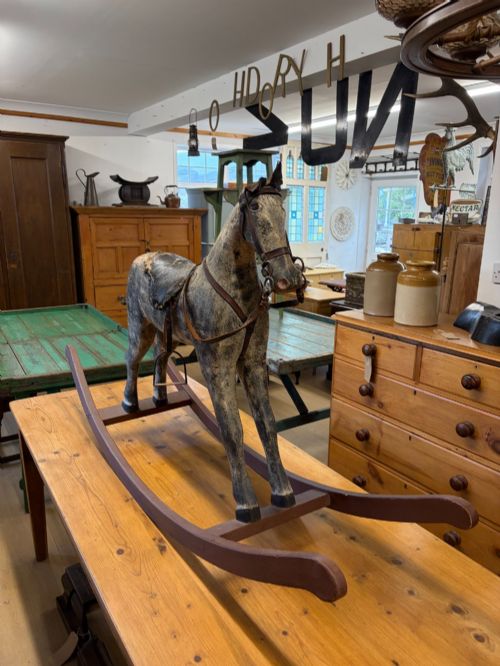
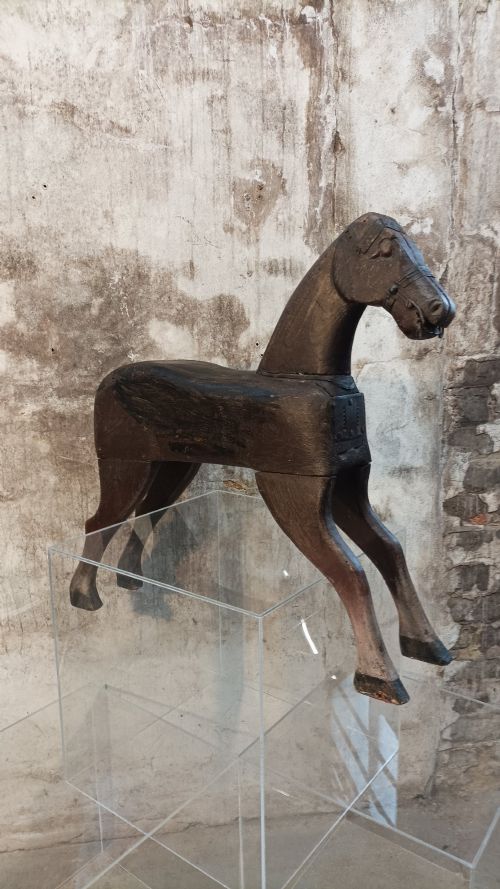
The selection includes pieces spanning the Georgian era through to the mid-20th century, capturing shire horses, ponies, and carts in rural settings. Alongside traditional oil paintings, the offerings feature watercolours and primitive painted wooden sculptures that share the same agrarian spirit.
Materials and techniques
The works rely primarily on oil paint applied to canvas, wood panels, or board, often demonstrating the rich texture characteristic of 19th-century and early 20th-century practice. Watercolour on paper also appears frequently, capturing lighter atmospheric effects in rural village and farmyard scenes.
Support materials range from traditional stretched canvas to wooden boards and paper, frequently housed within period wooden frames. Sculptural interpretations utilise carved and painted wood, sometimes supplemented with iron fittings to form decorative objects and toys.
Rustic Horse Painting Retail Price Guide 2026
Typical asking prices for rustic horse painting among the pieces listed under this phrase on Sellingantiques today, from the lower quarter to the upper quarter. They describe what is for sale here now, not the wider market.
The selection pairs fine art oil paintings on canvas with primitive carved wooden horses and folk art sculptures.
Judging quality
Quality rests upon the artist's ability to render the anatomy and movement of the horse convincingly within its landscape, separating accomplished academic works from naive or primitive folk art. The handling of light, brushwork depth, and the preservation of the original surface determine the standing of each piece.
Context and attribution elevate certain works, particularly when a painting carries documented provenance or a well-regarded 19th-century signature. The integrity of the support, whether canvas, panel, or paper, alongside a sympathetic period frame, completes the measure of quality.
Lionel Ellis·William Joseph Shayer Senior·George Morland·James William Booth·David Woodlock·John Frederick Herring·W E Millner·William Manners·George Hamilton Constantine·John Baragwanath King·George Soper
The Rustic Horse Painting Glossary
- Oil painting
- A picture created using pigments bound in a drying oil medium, typically applied to canvas, wood, or board. This versatile medium allows for deep colour saturation and textured brushwork.
- Watercolour
- A painting method in which the paints are made of pigments suspended in a water-based solution, usually executed on paper. It produces translucent washes of colour well suited to atmospheric landscapes.
- Folk art
- Artistic work created within a traditional culture by self-taught or untrained makers, often prioritising expressive charm over academic proportion. These pieces frequently utilise carved wood and simple painted surfaces.
- Primitive
- A descriptive term for art that exhibits a simple, unpolished style reminiscent of early or naive traditions. In these works, perspective and detail are secondary to bold visual character.
- Pastoral
- A genre of art depicting rural life, agricultural scenes, and agricultural labourers with livestock in open countryside. These subjects romanticise the quiet rhythms of the farming year.
Rustic Horse Painting: Frequently Asked Questions
What is a rustic horse painting?
A rustic horse painting is a work of art depicting horses in traditional agricultural, stable, or rural landscapes. These pieces celebrate the central role working animals played in past country life.
They span various periods from the Georgian era to the mid-20th century, encompassing both academic fine art and naive folk interpretations.
How do I date an antique horse painting?
Dating relies on examining the stretcher frames, canvas type, pigment composition, and the stylistic markers of the period. Signatures, inscriptions on the reverse, and framing materials also offer reliable chronological clues.
Comparing the brushwork and clothing styles of any human figures present helps narrow the decade of creation.
Where should I hang a horse painting?
These works suit traditional country houses, farmhouse kitchens, and studies, where their agrarian subjects complement natural wood and neutral walls. Placing them away from direct sunlight protects oil paint and delicate watercolours from fading.
Pairing a framed canvas with complementary antiques enhances the cohesive, lived-in character of the room.
What is the difference between oil and watercolour horse paintings?
Oil paintings utilise heavy pigments on canvas or board, offering rich textures, deep shadows, and a durable surface that withstands cleaning. Watercolours use transparent pigments on paper, creating lighter, more luminous atmospheric effects.
Oils generally carry a heavier presence on a wall, while watercolours require protective glass framing.