



Rustic French Pantry Cabinet
A rustic french pantry cabinet brings honest provincial character and generous storage to a modern kitchen or boot room.
Rustic French Pantry Cabinet
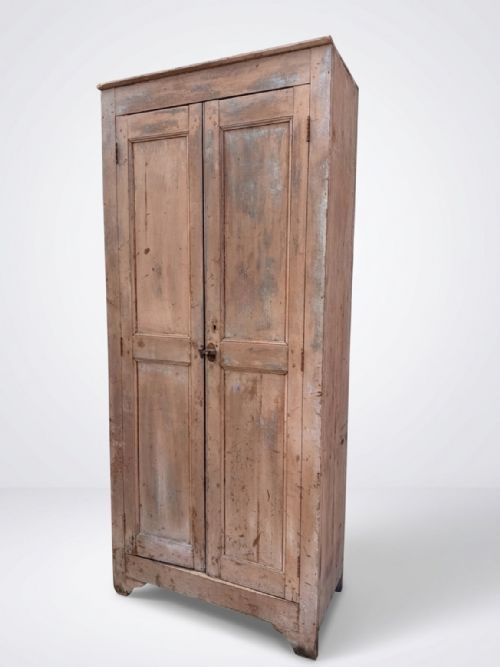
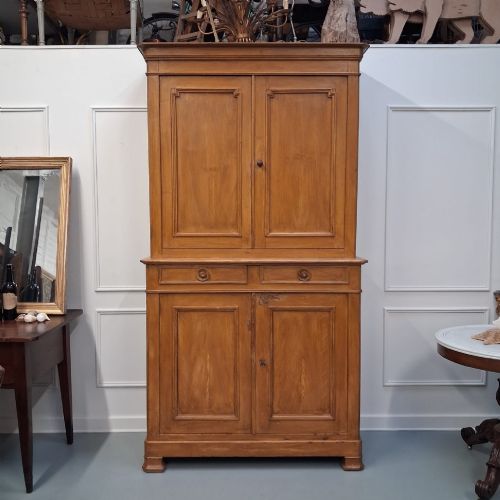
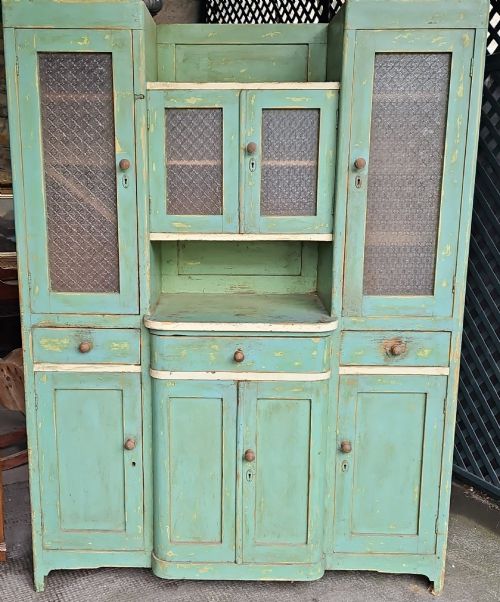
When you search for a rustic french pantry cabinet, you encounter substantial storage pieces designed for domestic provisions in country homes. These furniture items emerge primarily from the nineteenth century and eighteenth century, reflecting traditional European utility. The selection available here includes housekeepers cupboards, food cupboards, and kitchen cabinets built for everyday use.
Most examples lean towards provincial and country styles rather than formal court furniture. You find substantial two door pine cupboards alongside sturdier oak food cupboards. These utilitarian forms provide tall proportions and deep shelves suited to modern storage needs.
Materials and construction methods
The primary woods recorded in these listings are pine and oak, often worked by provincial joiners using traditional frame and panel construction. Pine surfaces frequently carry old painted finishes, while oak examples display the natural grain of hardwood timbers. Iron, brass, and metal hardware such as hinges and latches secure the heavy doors.
Makers utilised simple, robust joints to ensure these large storage units withstood daily demands in busy kitchens and pantries. Textured glass and solid timber panels form the doors, keeping provisions enclosed while allowing air circulation in older food storage designs.
Rustic French Pantry Cabinet Retail Price Guide 2026
Typical asking prices for rustic french pantry cabinet among the pieces listed under this phrase on Sellingantiques today, from the lower quarter to the upper quarter. They describe what is for sale here now, not the wider market.
The listings span from the eighteenth century through to the Edwardian period, utilising pine, oak, painted wood, and iron.
Assessing quality in provincial storage
Quality in these large storage pieces rests on the integrity of the timber and the honesty of the surfaces. Pieces constructed entirely from solid pine or oak maintain structural stability better over centuries of use. Original painted finishes that show natural wear carry more integrity than modern repainting.
Proportion and scale dictate the visual weight of the furniture in a room. Better examples retain their original iron or brass hardware and functional interior shelving, showing minimal alteration to the primary carcass.
The Rustic French Pantry Cabinet Glossary
- Housekeepers cupboard
- A large storage unit traditionally used for household linens, dry goods, and provisions. These tall pieces typically feature multiple internal shelves enclosed by large wooden doors.
- Food cupboard
- A specialised cabinet designed to store perishables before modern refrigeration. They often incorporate panelled or ventilated doors to protect contents while maintaining airflow.
- Pine
- A softwood commonly utilised in nineteenth century provincial furniture. It takes paint well and provides a lighter visual presence than dense hardwoods.
- French provincial
- A design style originating from regional workshops outside Paris. It simplifies urban court trends for rural domestic environments, prioritising utility and robust construction.
Rustic French Pantry Cabinet: Frequently Asked Questions
Where should I place a rustic french pantry cabinet?
These large storage units suit high-ceilinged kitchens, dining rooms, or large hallways where their substantial height and depth can be accommodated safely against a wall.
Ensure you measure both floor space and ceiling clearance before positioning such a tall piece of furniture in your home.
How do I clean a painted pine cupboard?
Dust surfaces regularly with a dry cloth and avoid harsh chemical cleaners that might damage aged painted finishes on soft pine timber.
Wax can be applied sparingly to unpainted wooden sections to nourish the grain and protect against everyday moisture.
Can I adjust the internal shelving?
Most antique cupboards feature fixed internal shelves constructed as part of the original frame rather than adjustable modern tracks.
When planning what to store inside, account for these permanent vertical divisions that reflect original nineteenth century storage practices.
What is the difference between an armoire and a pantry cabinet?
Armoires were traditionally built for hanging garments and clothing storage, featuring deeper hanging space behind tall doors.
Pantry and food cabinets incorporate multiple horizontal shelves specifically designed for stacking provisions, linens, and kitchen utensils.