

Rustic French Furniture
Rustic french furniture brings practical rural heritage into modern spaces through sturdy timbers and honest, time-worn construction.
Rustic French Furniture
Rustic french furniture encompasses practical utility pieces originating from provincial regions, designed for daily domestic, agricultural and workshop use. Buyers searching for these items encounter robust forms intended to endure generations of heavy work rather than delicate parlour display.
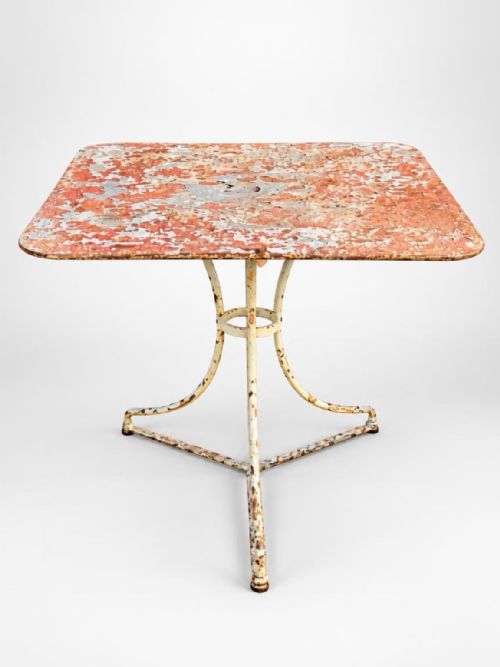
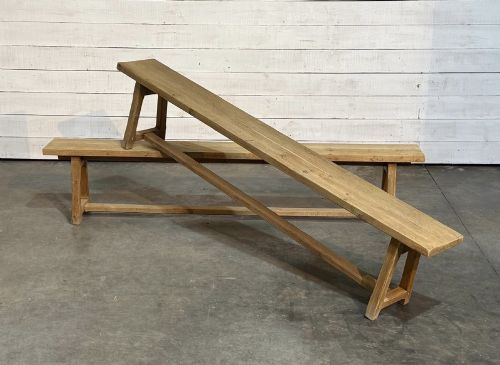
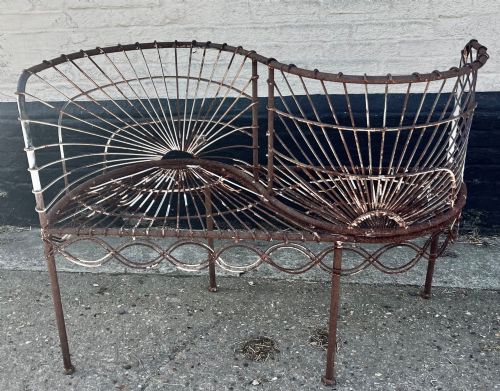
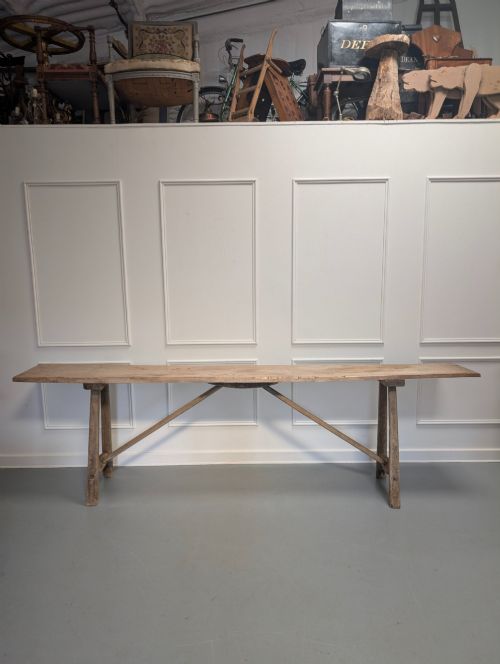
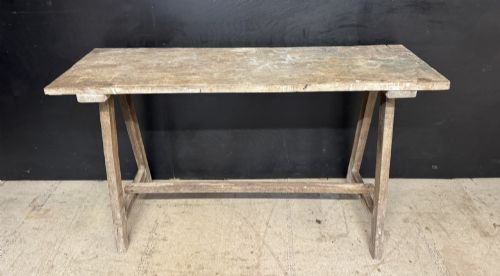
The selection centres heavily on nineteenth-century pieces, alongside select eighteenth-century cupboards and twentieth-century garden seating. Common domestic and working forms include oak serving tables, scrubbed pine laundry consoles, fruitwood dining benches and heavy chopping blocks.
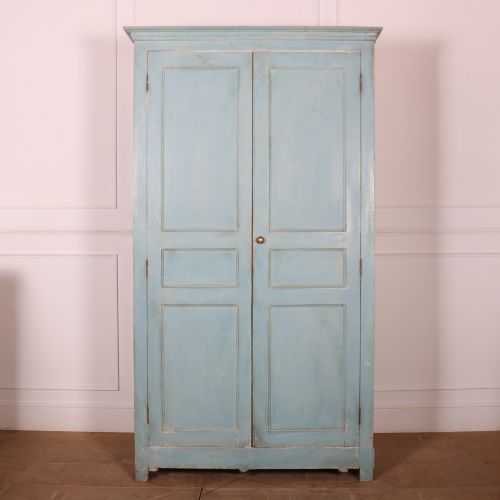
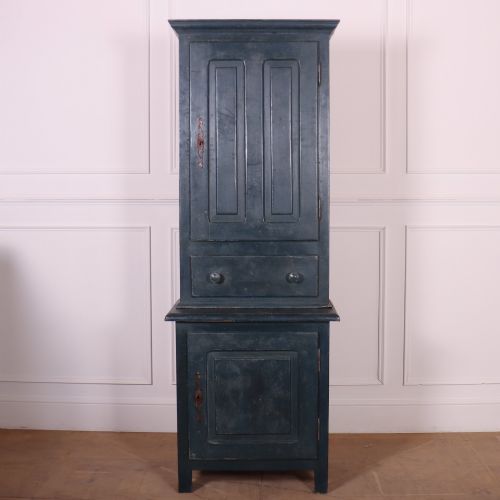
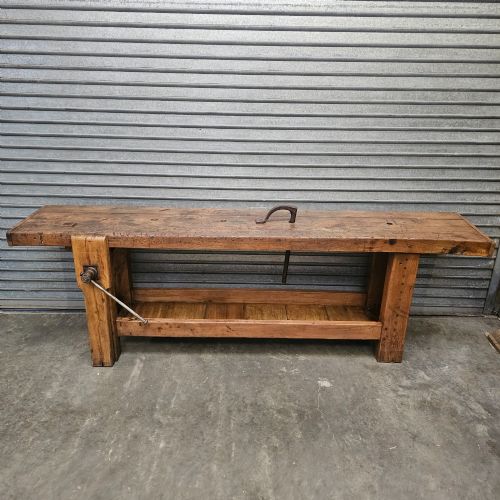
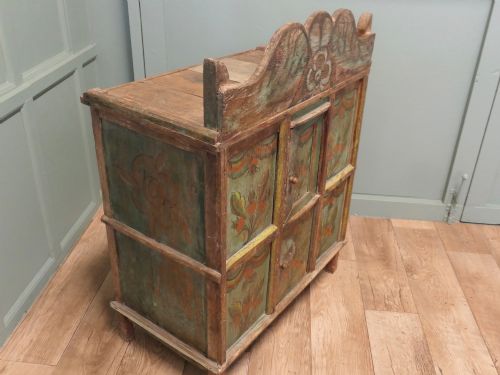
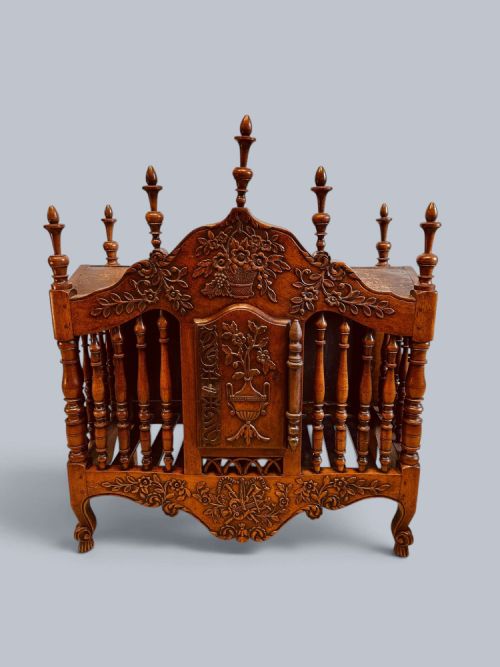
Regional makers utilised local timbers available to them, creating sturdy workbenches with vices alongside elegant buffet à deux corps and mountain cupboards. These items reflect the vernacular rural traditions of French provincial life, prioritizing utility and unadorned strength.
Assessing Quality and Character
Quality rests in the integrity of the original timber and the depth of surface patina accumulated through decades of actual use. Pieces retaining their original scrubbed pine finishes, gnarled legs or maker stamps demonstrate greater authenticity than heavily altered examples.
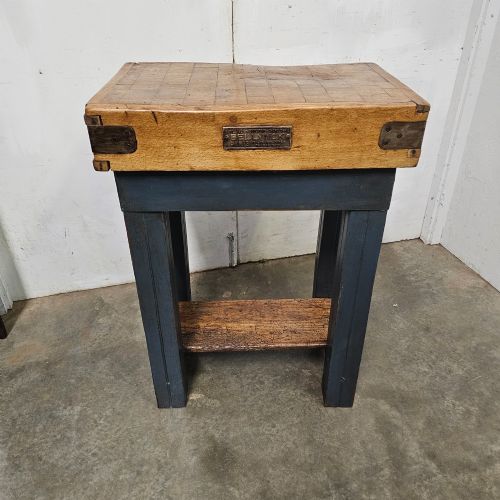
Proportion and structural honesty separate superior provincial pieces from later reproductions, as genuine items display the natural wear patterns of butchers blocks, shop counters and house maid cupboards. The harmony between utilitarian function and honest regional craftsmanship dictates the standing of each piece.
Rustic French Furniture Retail Price Guide 2026
Typical asking prices for rustic french furniture among the pieces listed under this phrase on Sellingantiques today, from the lower quarter to the upper quarter. They describe what is for sale here now, not the wider market.
Several heavy chopping blocks retain their original gnarled legs, bearing the literal scars of nineteenth-century French cleavers.
The Rustic French Furniture Glossary
- Buffet à deux corps
- A tall, two-part provincial storage cupboard featuring an upper and lower section used for household provisions.
- Faux bois
- A technique simulating wood grain using concrete or metal, frequently applied to Victorian garden seats and benches.
- Vendange table
- A large harvest table designed with folding or removable legs to facilitate movement in vineyards during the grape collection.
- Bakers rack
- An open metal and wood shelving unit utilised for cooling baked goods in French kitchens and bakeries.
- Vernacular rural style
- Architecture and furniture design rooted in local traditions, utilising readily available materials without academic architectural pretension.
Rustic French Furniture: Frequently Asked Questions
What defines rustic french furniture?
These pieces originate from provincial regions and focus on practical domestic or agricultural utility rather than formal decoration. They rely on local timbers and straightforward construction methods.
Common forms include workbenches, chopping blocks, scrubbed pine tables and heavy oak cupboards from the eighteenth and nineteenth centuries.
How do I care for antique pine tables?
Scrubbed pine and fruitwood surfaces benefit from minimal moisture and gentle cleaning to preserve the natural patina built up over decades of use. Avoid harsh chemical polishes that strip the historic dry surface.
Allow the wood to breathe and use coasters or mats to protect against daily stains and liquid rings.
Where were workbenches originally used?
Carpenters, artisans, butchers and vintners utilised these heavy tables for daily trade work, clamping timber or preparing food. Their robust construction included integrated vices and clamping bars.
Today, these utilitarian objects serve as kitchen islands, console tables or prep surfaces in residential interiors.
Are these pieces strictly eighteenth century?
While some regional cupboards date back to the eighteenth century, the majority of available items originate from the nineteenth century. Later pieces from the early twentieth century also feature prominently.
Makers continued traditional vernacular construction methods well into the industrial era, utilising oak, elm and cherrywood.