
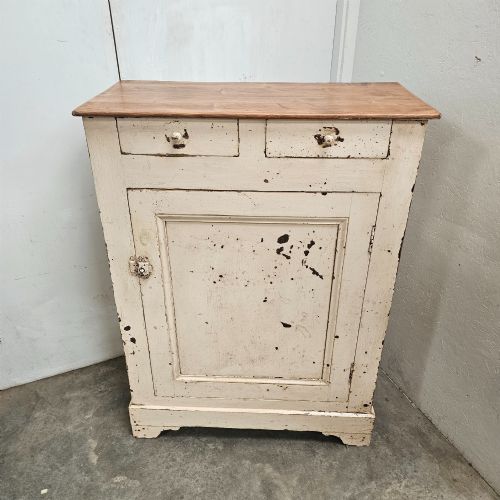


Rustic French Food Cupboard
A rustic french food cupboard brings honest provincial utility into a modern kitchen, offering heavy timber storage rooted in centuries of rural domestic life.
Rustic French Food Cupboard
When you search for a rustic french food cupboard, you encounter substantial provincial storage pieces designed to store bread, preserves, and dry rations in rural homes. The selection spans straightforward utility items from the seventeenth, eighteenth, and nineteenth centuries, reflecting the domestic habits of French manoirs, farmhouses, and mountain dwellings.
You are most likely to meet oak and pine examples on this page, taking forms such as panetières, confituriers, larder cupboards, and alcove units. These pieces show regional variations in construction, ranging from carved chestnut housekeepers cabinets to mountain cupboards built for sturdy everyday service.
Materials and construction
The makers relied heavily on native hardwoods and softwoods, notably solid oak, pine, and chestnut, selected for local availability and durability. These timbers were shaped using traditional hand tools, resulting in pegged joints and thick panel doors suited to heavy daily use.
Iron and wrought metal hardware, including hinges and latches, secure the doors and provide structural reinforcement. Painted finishes, sometimes found on pine and linen variants, reflect subsequent decorative choices made to brighten provincial interiors.
Bread safes were built with open spindle galleries specifically designed to let the mountain air circulate around yesterday's baking.
Judging quality in provincial storage
Quality rests in the integrity of the timber selection and the restraint of the regional carving. Pieces fashioned from dense, mature oak or chestnut with original pegged framing hold a higher standing than later adaptations or heavily restored carcasses.
The distinction also lies in the survival of original ironwork and surface patination. Untouched boards that bear the marks of long domestic service carry greater authenticity than stripped or overly sanded surfaces.
The Rustic French Food Cupboard Glossary
- Panetière
- A traditional French bread safe or bread store, often featuring turned spindles to allow air circulation around loaves. These wall-mounted or freestanding pieces originated in Provence and southern regions.
- Confiturier
- A small cupboard traditionally used for storing pots of confit and preserves. These compact pieces typically stand waist-height with a single door above a small drawer.
- Manoir
- A traditional French country manor house. Furniture originating from these dwellings often displays heavier timber and finer provincial carving than standard farmhouse items.
- Larder cupboard
- A tall cabinet designed for food storage and ventilation. These pieces often incorporate pierced panels or mesh to keep provisions cool in rural kitchens.
Rustic French Food Cupboard: Frequently Asked Questions
What is a panetiere used for?
A panetiere served as a dedicated storage safe for large loaves of bread in traditional French households. The ventilated design kept baked goods fresh and protected from rodents.
Today, these distinctive cabinets function well as wall-mounted display cases or small feature storage units in kitchens and living spaces.
How do I date an 18th century cupboard?
Dating relies on examining the construction methods, tool marks, and timber shrinkage visible within the interior and frame. Hand-split boards and pegged joinery indicate early provincial workmanship.
Hardware styles and regional design traits also help narrow the period of origin between the seventeenth and nineteenth centuries.
Are these cupboards suitable for modern kitchens?
These robust timber cabinets provide practical storage for dishware, dry goods, and kitchen linens. Their varied depths and heights accommodate contemporary storage needs while adding distinct provincial character.
Placing them away from direct heat sources helps preserve the historic wood and original surface finishes.
What is the difference between pine and oak pieces?
Oak and chestnut pieces tend to come from larger manors and wealthier households, offering dense grain and heavier structural framing. Pine cupboards are often lighter, sometimes bearing historic painted finishes suited to regional country interiors.
Both woods provide durable storage but differ significantly in visual weight and surface texture.