
Rustic Elm Seating
These rustic elm seating pieces bring the honest vernacular character of 18th-century and 19th-century farmhouses into modern rooms through solid, time-worn wooden construction.
Rustic Elm Seating
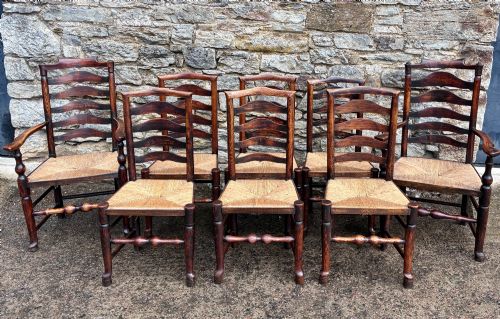
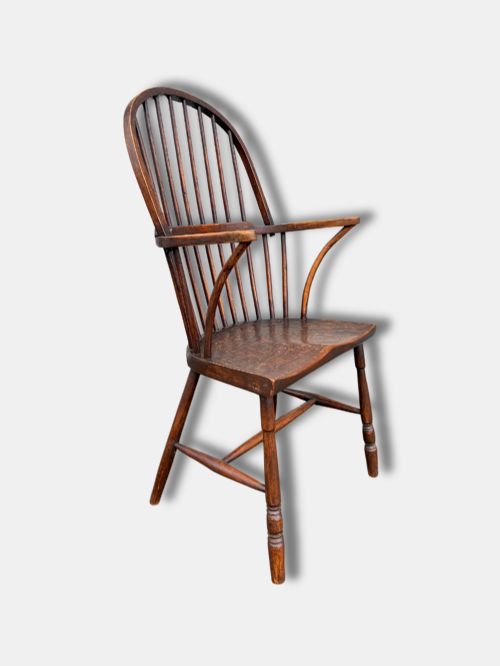
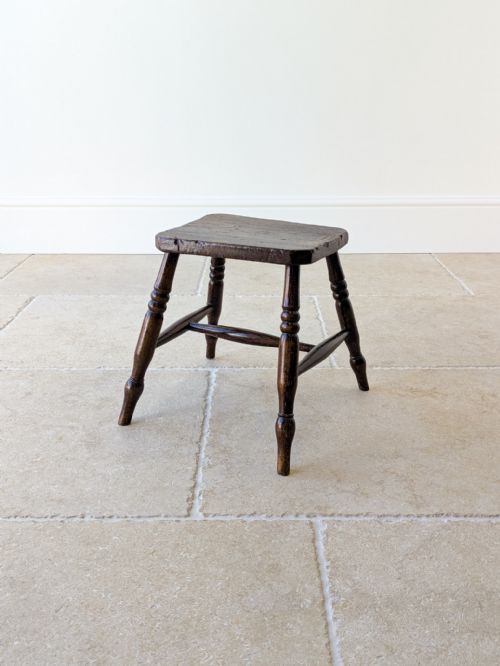
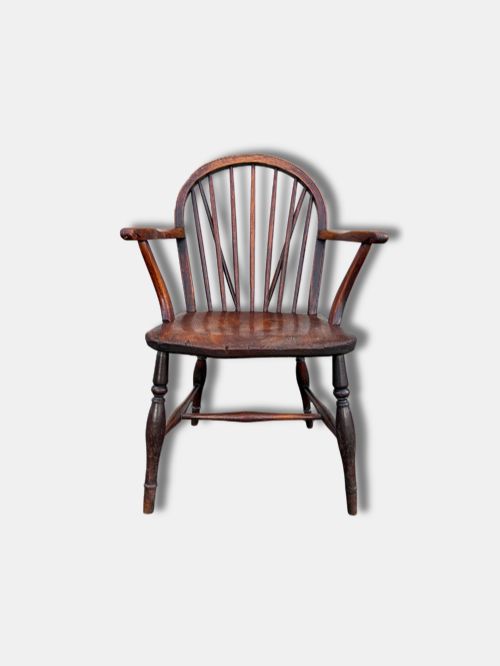
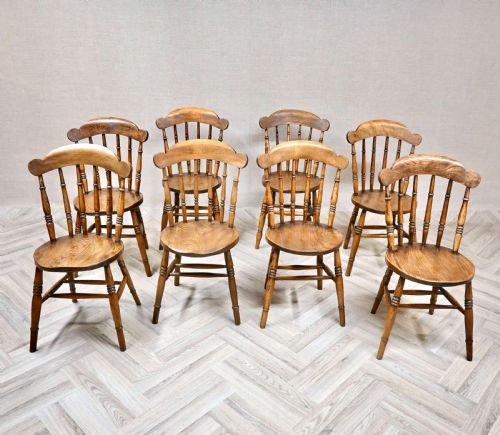
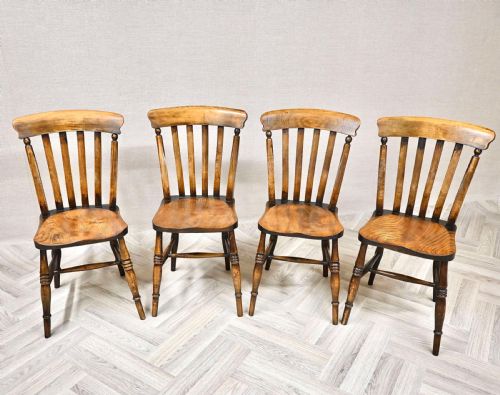
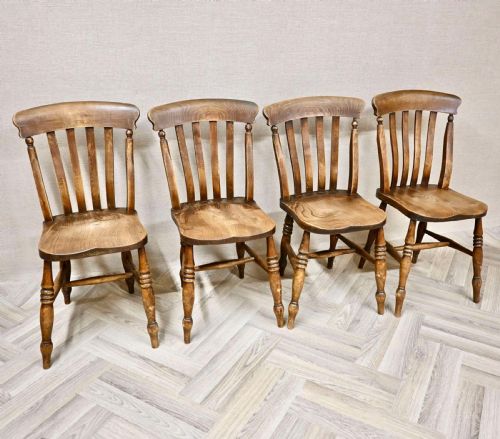
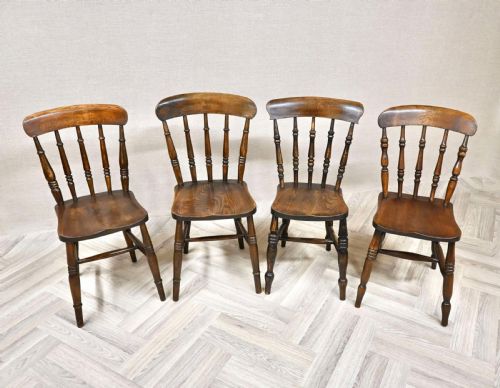
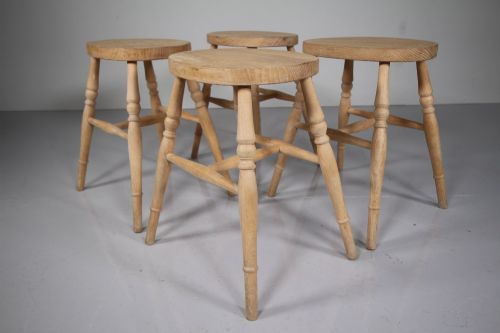
Rustic elm seating comprises traditional chairs, stools, benches, and settles made primarily from elm timber during the Georgian, Victorian, and Edwardian eras. Buyers searching this phrase look for functional country furniture featuring sturdy vernacular designs like Windsor chairs, ladderbacks, and solid-seated stools.
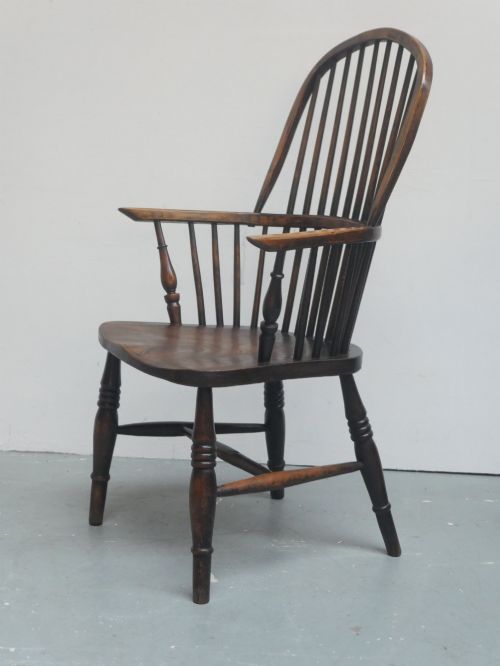
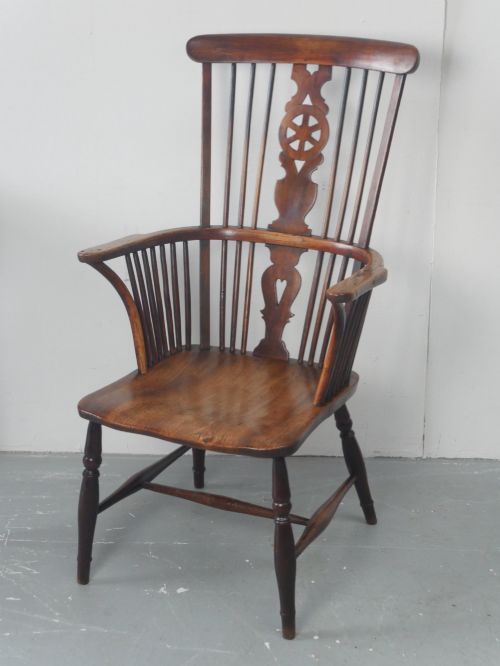
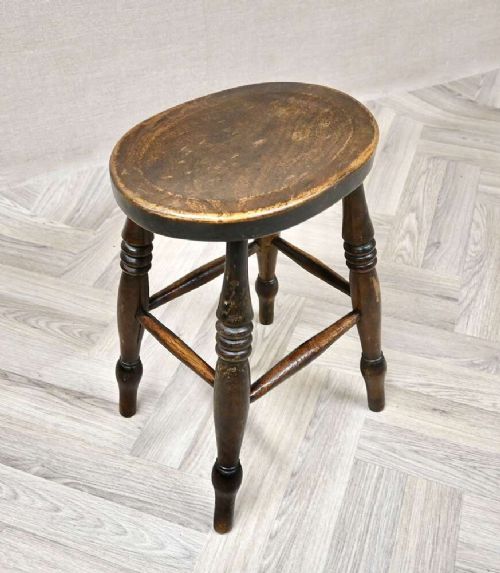
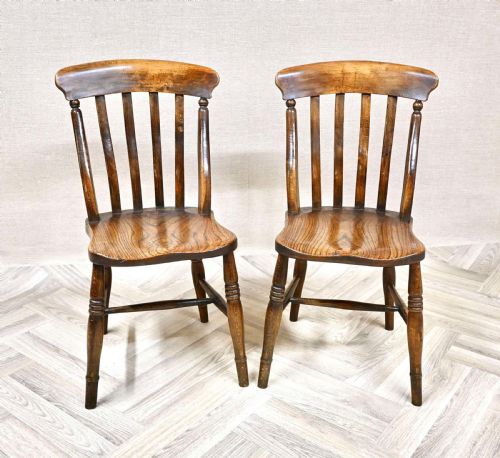
The pieces appearing on this page stem predominantly from English country traditions, ranging from kitchen Windsor armchairs to low stools and hallway benches. Elm frequently pairs with ash, beech, or pine, reflecting the practical choices of regional makers who utilised locally available hardwoods.
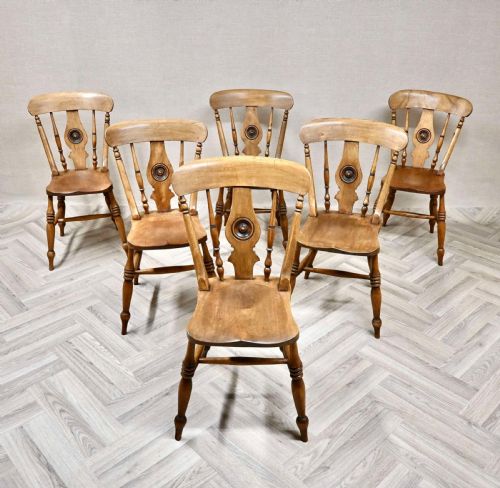
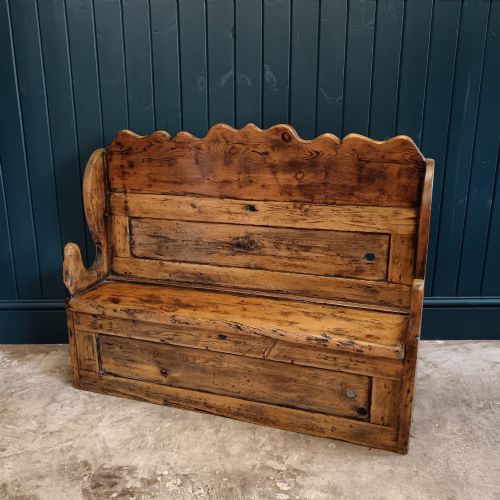
Forms span individual armchairs, matching dining sets, and box settles fitted with storage, alongside occasional French and Chinese examples. These items served demanding domestic roles in farmhouses, taverns, and cottages, resulting in sturdy, unpretentious seating built for daily utility.
What varies in quality
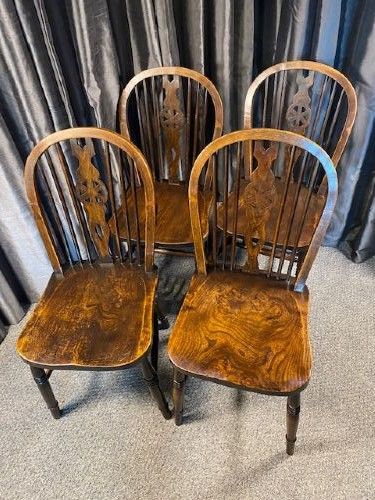
Quality in these pieces depends on the integrity of the timber, the balance of the proportions, and the depth of the surface patina accumulated over generations of use. A superior example retains its original component parts, well-turned spindles, and a thick, saddle-shaped elm seat that shows honest wear without structural compromise.
Refinished surfaces or replaced undercarriages alter the visual harmony of a piece, whereas untouched examples display a rich grain and deep colour shaped by age. The dexterity of the regional turner determines whether hoop backs and arm bow shapes possess fluent, organic lines rather than stiff geometry.
Listings feature 19th-century and 18th-century periods, utilising elm, ash, beech, and rush materials across English country styles.
The Rustic Elm Seating Glossary
- Windsor chair
- A wooden chair built with a thick solid timber seat into which the legs and back spindles are directly inserted. This design originated in rural England and became a staple of country vernacular furniture.
- Elm
- A durable hardwood characterised by an interlocking, twisted grain that makes it resistant to splitting. Makers utilised it extensively for chair seats where strength was paramount.
- Spindle back
- A chair back constructed from vertical turned wooden rods connected to a top rail. These elements provided lightweight yet robust support in farmhouse seating.
- Settle
- A high-backed wooden bench with solid sides and often a box compartment beneath the seat for storage. They typically stood near hearths to block draughts in older homes.
- Patina
- The deep sheen and surface character developed on wood over decades of handling, polishing, and exposure to light. Collectors value this visual record of age.
Rustic Elm Seating: Frequently Asked Questions
What is a Windsor chair?
A Windsor chair is a form of seating where the legs and back spindles are tenoned directly into a thick, carved wooden seat. This construction method creates a sturdy, rigid frame without needing a bulky wooden chassis.
Most examples feature an elm seat combined with ash or beech framing components. They evolved primarily as practical kitchen and farmhouse seating throughout the 18th and 19th centuries.
How do I care for antique elm?
Antique elm requires stable indoor humidity levels and protection from direct heat sources to prevent the timber from drying out and splitting. Regular dusting with a dry cloth keeps the surface clean without stripping the historic finish.
Applying a microcrystalline wax occasionally helps nourish the wood and maintain its natural sheen. Avoid silicone-based sprays, which can permanently alter the historic surface patina.
Were these chairs used outdoors?
While most listed pieces served interior roles in kitchens, taverns and parlours, specific variations like garden benches utilised weather-resistant construction. Traditional forms were designed for domestic utility rather than prolonged exposure to the elements.
Indoor pieces should remain inside to protect the historic timber and joinery from moisture damage. Iron-reinforced or faux bois garden benches represent the exception built for exterior placement.
How do I identify a country settle?
A country settle is a high-backed wooden bench designed to seat multiple people while blocking cold draughts from hearths or doorways. They frequently incorporate a hinged lid on the seat box to provide concealed storage for blankets or household goods.
These pieces typically feature solid panel backs or spindle structures made from native hardwoods like elm and pine. Their substantial proportions made them central fixtures in historical farmhouse interiors.