


Rustic Dining Furniture
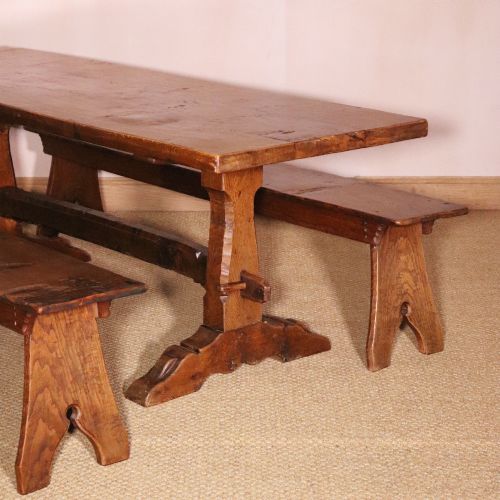
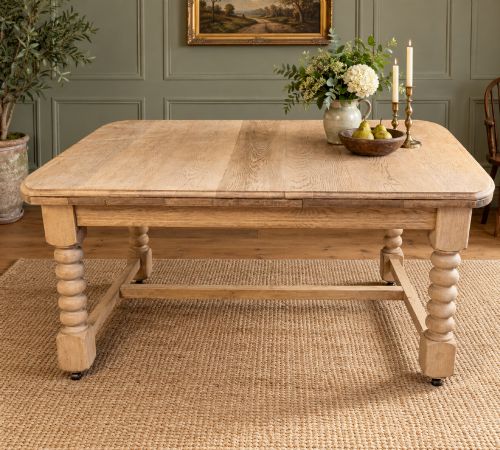
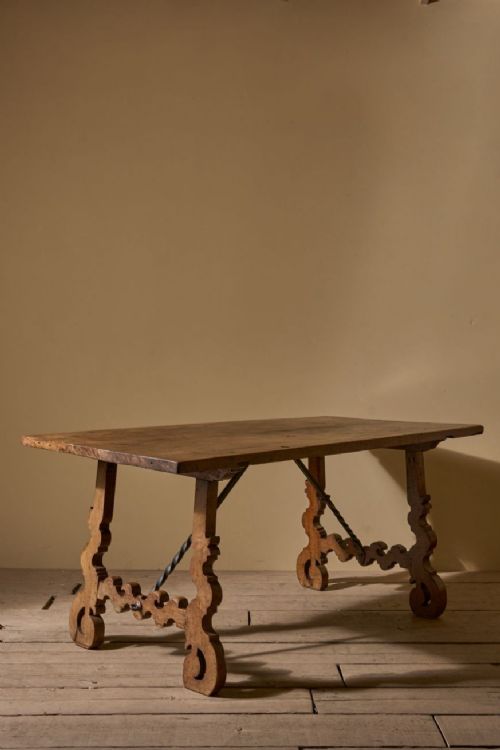
These examples of rustic dining furniture unite heavy timber and honest construction for daily meals.
Rustic Dining Furniture
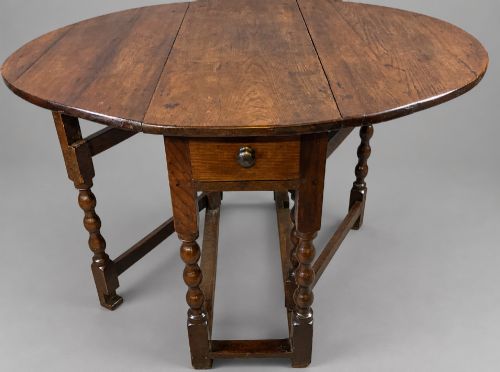
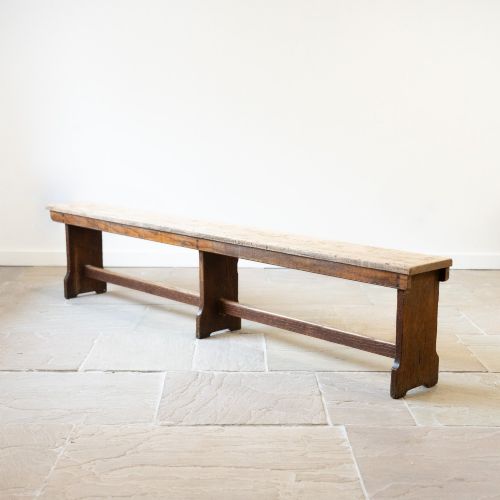
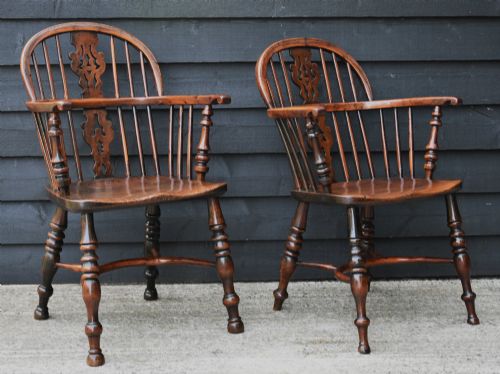
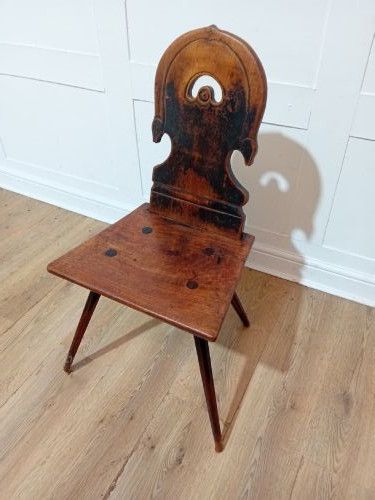
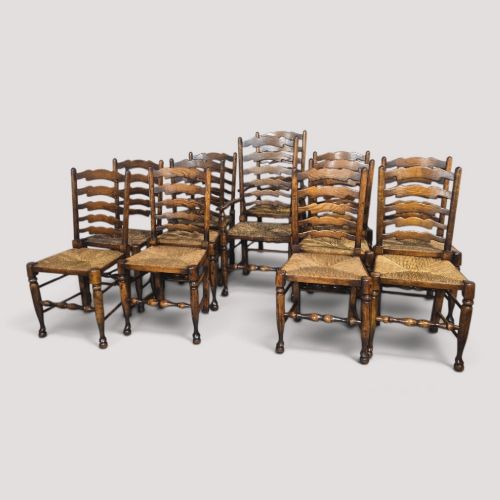
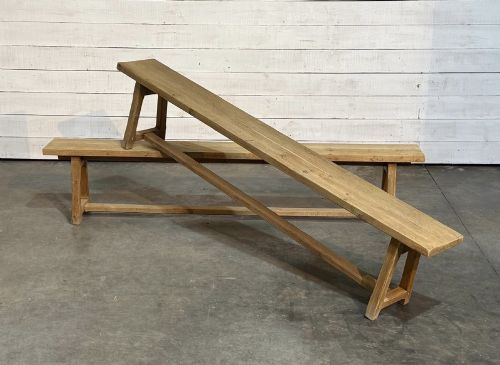
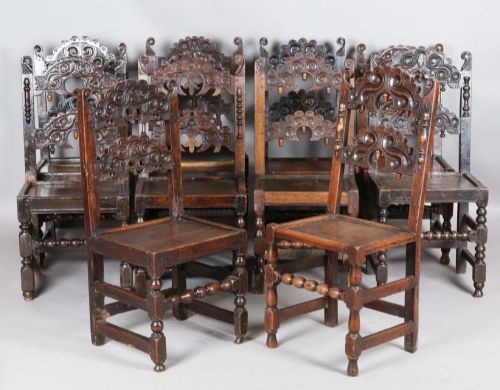
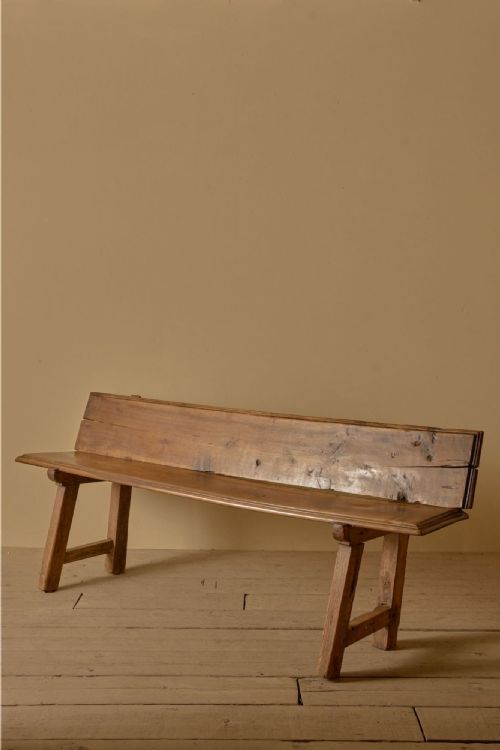
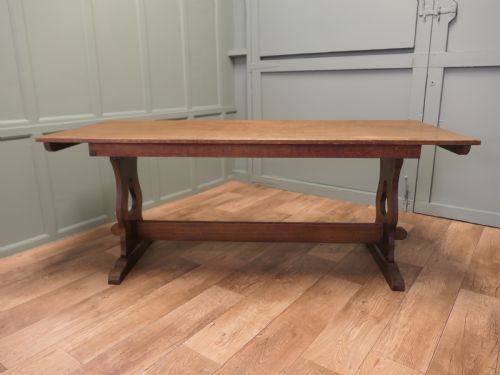
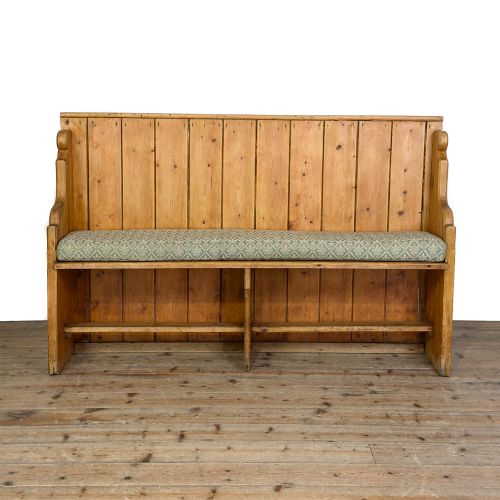
Rustic dining furniture encompasses practical timber pieces built for everyday meals and gatherings in country homes, farmhouses and provincial dwellings. When looking for rustic dining furniture, buyers encounter solid timber tables, Windsor chairs, ladder backs, benches and Welsh dressers from periods ranging from the seventeenth century through to the twentieth century.
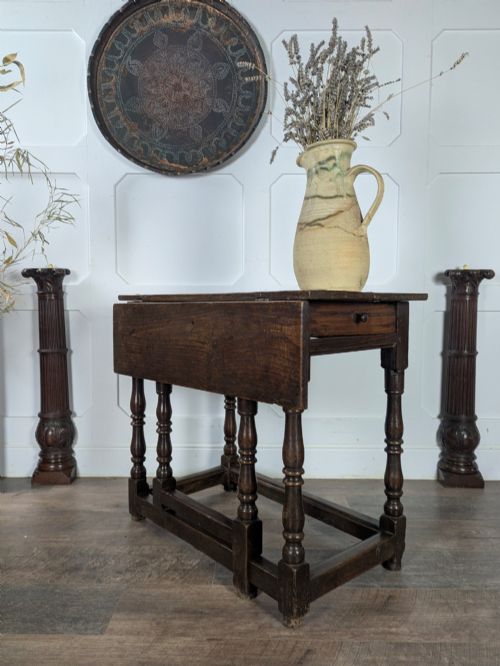
The assortment on this page spans English, French, Spanish, Swedish and Bavarian traditions, using regional woods shaped by local joiners and country makers. Tables come as refectory, gateleg, trestle and drop-leaf formats, accompanied by seating that ranges from single plank benches to rush-seated armchairs.
How they were made
Makers built these pieces primarily from solid native hardwoods and softwoods including oak, elm, walnut, ash, pine, cherry and fruitwood, often selecting single planks for table tops and bench seats. Joinery relied on traditional methods such as mortise and tenon joints, pegged frames and turned legs without metal fasteners.
Surfaces received minimal intervention beyond wax polishes, natural oils or historic paint applications that allowed the grain and tool marks to remain visible. Rush seating was hand-woven onto frames, while trestles and gatelegs provided sturdy support for heavy daily use.
Rustic Dining Furniture Retail Price Guide 2026
Typical asking prices for rustic dining furniture among the pieces listed under this phrase on Sellingantiques today, from the lower quarter to the upper quarter. They describe what is for sale here now, not the wider market.
Spindle back chairs occasionally reveal the enthusiastic thumbprints of nineteenth-century turners pressed firmly into the damp green wood.
What varies in quality
Quality rests upon the integrity of the original construction and the character of the timber surfaces developed through decades of honest use. Pieces retaining their original unplaned single plank tops, authentic patination and untouched joins command greater regard than those subjected to excessive restoration or modern sanding.
The balance of proportions and the competency of the country maker shape the distinction between ordinary utility items and exceptional vernacular pieces. Regional variations in turning, carving and structural bracing further define the depth of craftsmanship in individual examples.
Rushworth's·Jack Grimble
The Rustic Dining Furniture Glossary
- Refectory table
- A long, narrow dining table traditionally used in monasteries and large halls, characterised by substantial legs connected by low stretchers.
- Gateleg table
- A table with hinged flaps supported by legs that swing outward like gates to hold the leaves in place.
- Ladder back chair
- A chair featuring horizontal wooden slats or rails across the back resembling the rungs of a ladder.
- Joint bench
- A sturdy wooden bench constructed using traditional tight joinery rather than nails or screws.
- Patina
- The surface sheen and colour developed on wood through age, wear, handling and polishing over many years.
Rustic Dining Furniture: Frequently Asked Questions
What defines rustic dining furniture?
Rustic dining furniture consists of unpretentious wooden tables, chairs, benches and dressers made by country joiners using traditional techniques. These items prioritise solid timber construction and practical utility over refined court styles.
Such pieces often display visible grain, tool marks and utilitarian forms suited to farmhouse kitchens and provincial dining rooms.
How do I care for antique wooden tables?
Antique wooden tables require regular dusting with a soft cloth and occasional treatment with natural beeswax to nourish the dry timber. Avoid placing them in direct sunlight or near heat sources that might cause the wood to split.
Using placemats and coasters protects the historic finish from moisture rings and heat damage during daily meals.
Are rustic benches comfortable for dining?
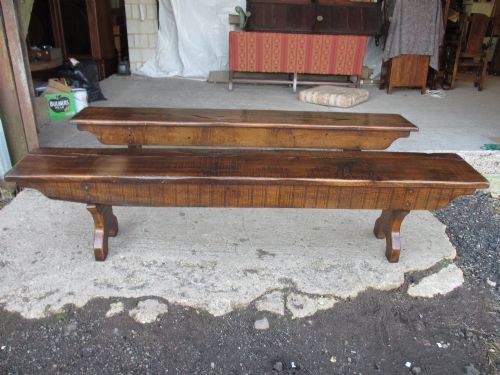
Rustic benches offer generous seating capacity along one side of a table and slide neatly underneath when not in use. Long oak, pine or fruitwood benches provide sturdy seating for families and guests.
Many buyers pair a bench on one side of a refectory or trestle table with individual armchairs or side chairs opposite.
How can I tell the age of these pieces?
Age is determined by observing tool marks, timber shrinkage, construction methods and the depth of the surface patina. Hand-sawn boards, pegged joints and historic wear patterns indicate earlier centuries of manufacture.
Stylistic details like spindle backs, turned legs and regional framing methods also point toward specific historical periods from the seventeenth to the twentieth century.