

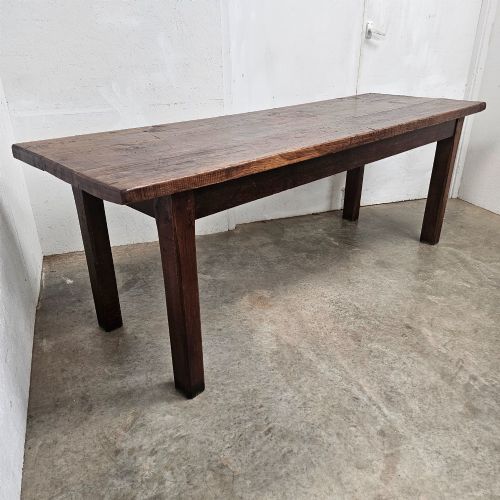


Rustic Country Workbench
A rustic country workbench provides heavy timber utility and honest charm, bringing a tactile working history straight into modern domestic kitchens and dining rooms.
Rustic Country Workbench
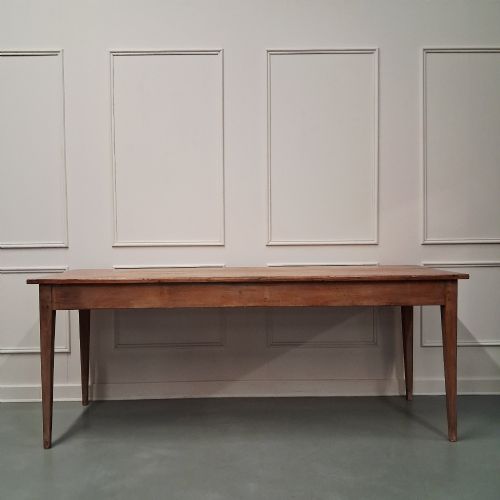
A rustic country workbench is a utilitarian surface built for physical labour, spanning trades from carpentry and cheese pressing to scullery preparation. When searching this phrase, buyers encounter substantial pieces designed primarily for function rather than decorative display.
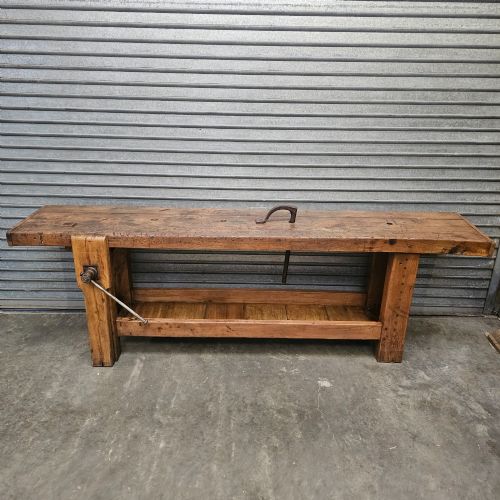
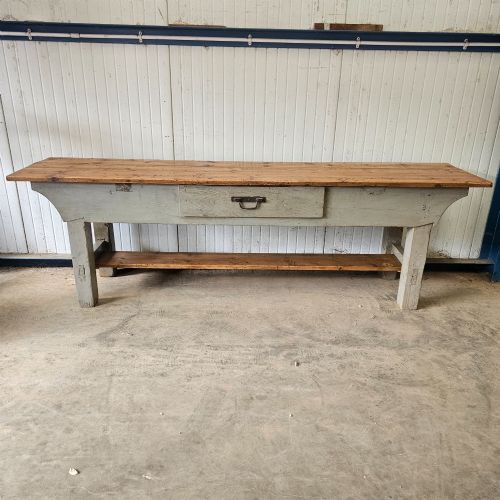
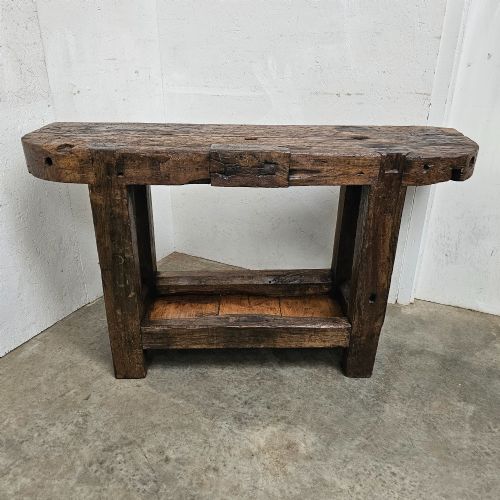
The selections available here range from nineteenth-century French artisans' benches fitted with vices to British scullery tables, Welsh dairy surfaces, and Scandinavian painted pine boards. Nineteenth-century examples dominate the offerings, typically constructed from robust native timbers.
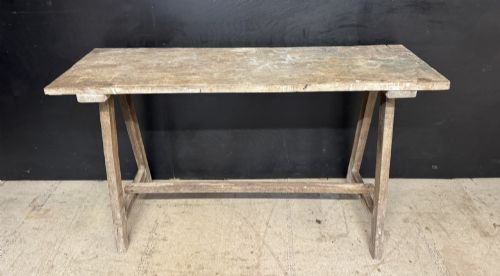
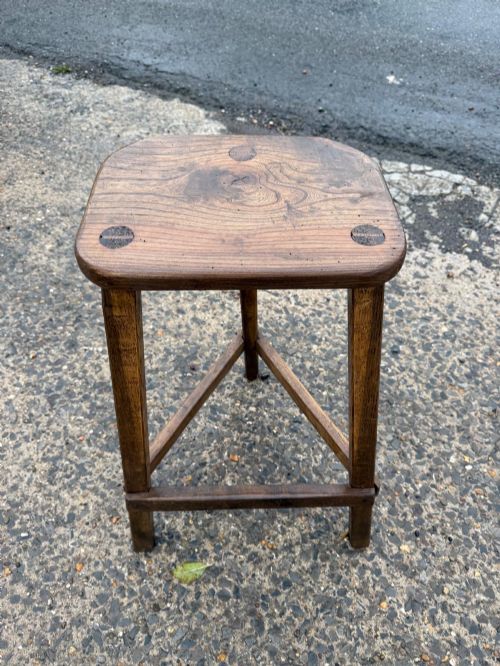
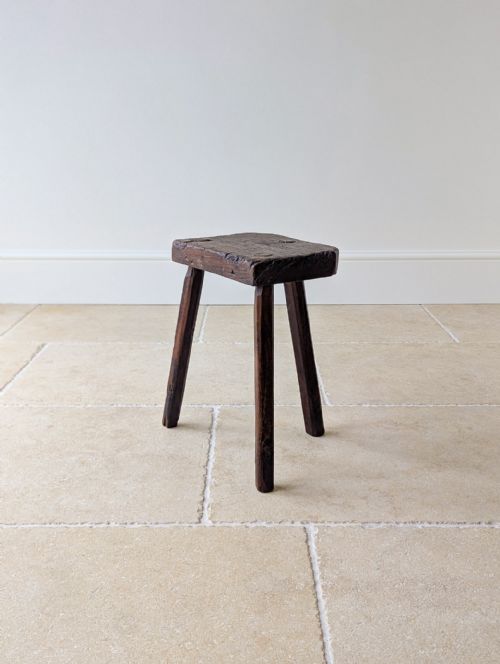
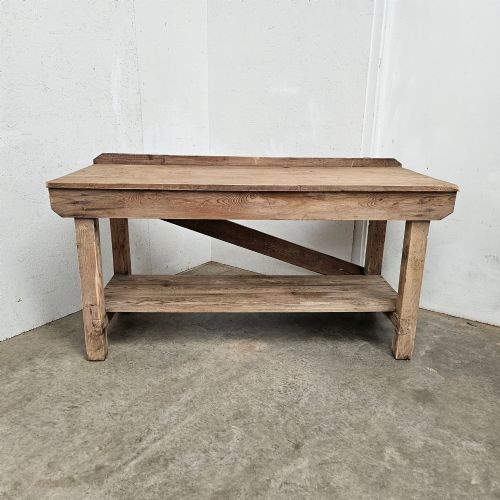
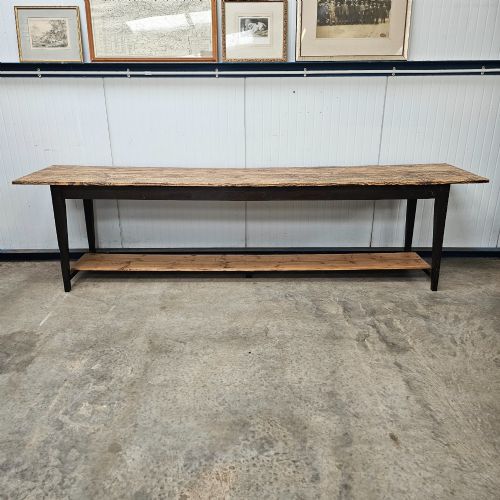
Forms vary from trestle tables and two-tier harvest boards to dedicated potting tables and cobblers' benches. Most items reflect the specific regional trades of their makers, showing decades of honest wear on top surfaces.
Materials and Construction
Makers constructed these sturdy tables using readily available regional woods such as pine, oak, elm, sycamore, and ash, often pairing scrubbed tops with simpler framing. Iron components appear in vices, brackets, and structural braces to withstand heavy daily loads.
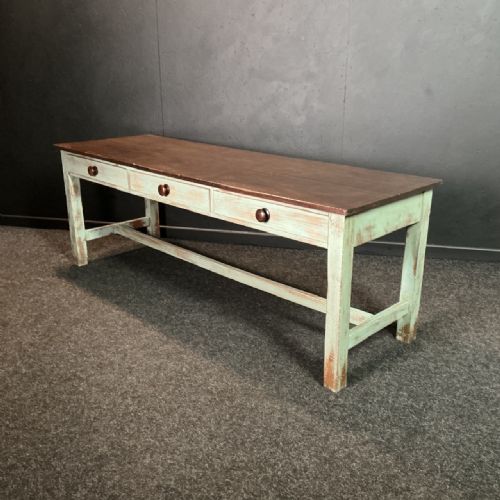
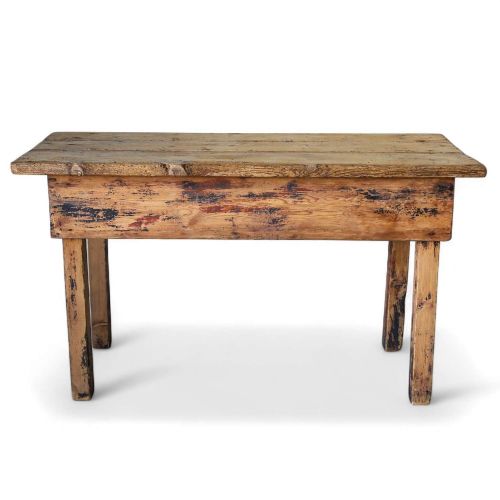
Joinery methods prioritize durability and straightforward stability over concealed joints, utilising thick planks and pegged frames. Surfaces frequently display remnants of historic paint finishes alongside deep indentation marks left by hand tools and domestic tasks.
Rustic Country Workbench Retail Price Guide 2026
Typical asking prices for rustic country workbench among the pieces listed under this phrase on Sellingantiques today, from the lower quarter to the upper quarter. They describe what is for sale here now, not the wider market.
Look closely for stray ink stains, old carpenter pencil marks, and deep indentations left by generations of diligent hands.
Judging Quality and Character
Quality in a rustic country workbench rests in the integrity of the original timber and the depth of its working patina. Superior examples retain their integrated vices, original stretchers, and untouched surface textures earned through generations of active use.
Proportion and scale dictate the visual weight of the piece within a room, with longer boards and thicker tops commanding greater presence. The distinction lies between heavily altered utility pieces and those preserving their authentic regional character.
The Rustic Country Workbench Glossary
- Scrubbed top
- A wooden tabletop repeatedly scoured with water and abrasive brushes to maintain hygiene, leaving a pale, clean finish. This process creates a distinct tactile grain texture.
- Trestle table
- A table structure consisting of two or more support frames connected by a central horizontal beam. This design provides maximum legroom and sturdy support for heavy loads.
- Scullery table
- A heavy utilitarian table used historically in domestic service areas for food preparation and washing tasks. These pieces typically feature robust pine boards and deep proportions.
- Cobbler's bench
- A low wooden seat incorporating integrated compartments and raised ledges designed to hold shoemaking tools and leather supplies. They offer compact surfaces with distinct compartmentalised layouts.
- Primitive
- A descriptive term for furniture made locally by non-specialist craftspeople using basic tools and native timber. These objects prioritize immediate utility over refined stylistic conventions.
Rustic Country Workbench: Frequently Asked Questions
How do I clean a vintage workbench top?
Wash the timber gently with mild soap and warm water using a soft brush, ensuring you dry the surface immediately afterwards. Avoid harsh chemical strippers that strip away the historic patina.
Nourish the bare wood occasionally with a clear beeswax or neutral oil to protect the grain from moisture. This maintains the tactile finish without altering the historic colour.
Can I use a workbench as a kitchen island?
These sturdy tables make excellent kitchen islands because their thick timber surfaces withstand daily food preparation and heavy use. Ensure you check the height dimensions carefully to match your kitchen space.
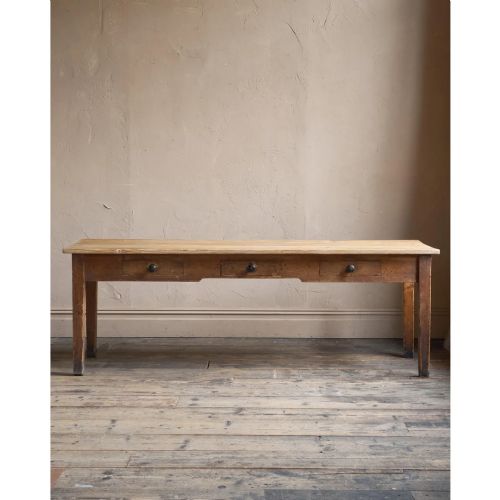
Many historic examples provide useful lower shelves or drawers for storing cookware and utensils. Their open bases also allow stools to tuck underneath easily.
What is the difference between a workbench and a harvest table?
Workbenches generally incorporate functional joinery elements like integrated wooden vices, thick clamping tops, or tool wells designed for manual trades. Harvest tables focus primarily on extended dining surfaces with long two-tier timber boards.
While both share robust rustic construction, workbenches show more concentrated surface marks from tools. Harvest tables typically offer cleaner rectangular spans intended for seating groups.
How do I date an old pine workbench?
Examine the construction marks, nail types, and tool impressions visible on the underside and framing joints. Hand-sawn boards and pegged mortise-and-tenon joints usually point towards nineteenth-century origins.
Look for signs of wear patterns and layers of historic paint that indicate age and regional origin. Comparing the timber species and hardware style with documented period examples helps confirm the decade.