





Rustic Country Wooden Vessel
A rustic country wooden vessel brings practical domestic utility and honest craftsmanship directly into modern interiors.
Rustic Country Wooden Vessel
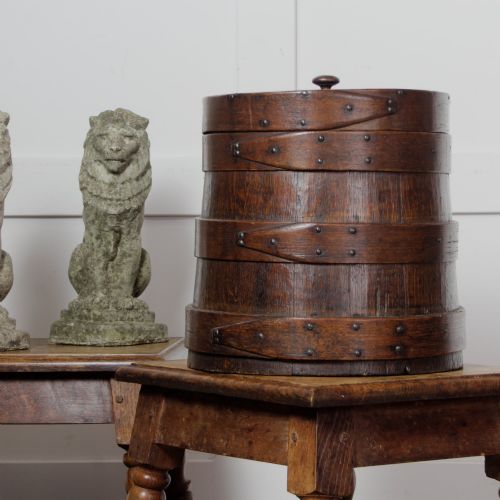
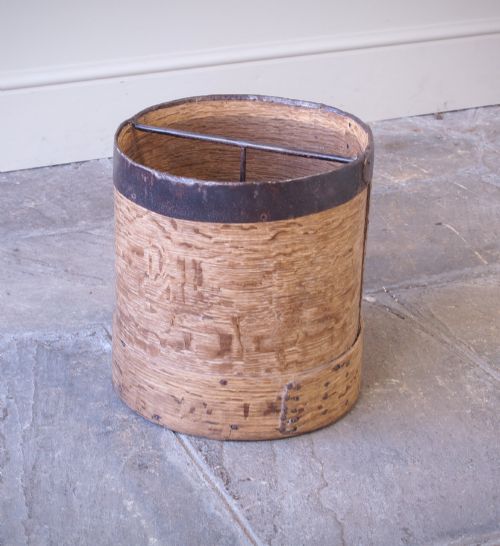
A rustic country wooden vessel encompasses utilitarian items produced across the eighteenth and nineteenth centuries, including dairy bowls, storage barrels, grain bins, and well buckets. These pieces originate from various domestic traditions such as English, French, Swedish, and Scandinavian country workshops.
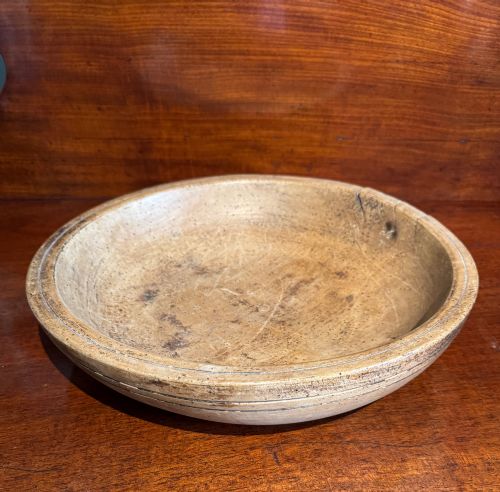
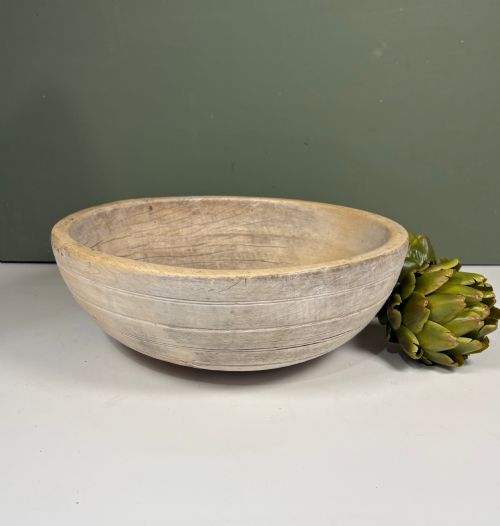
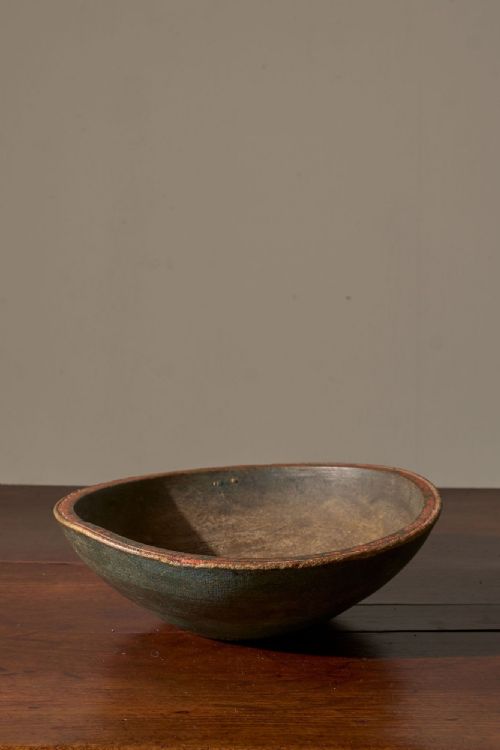
The most common examples encountered in this selection are turned or dug-out sycamore dairy bowls and heavy oak or pine storage containers. They reflect straightforward agricultural and household storage needs without superfluous decoration.
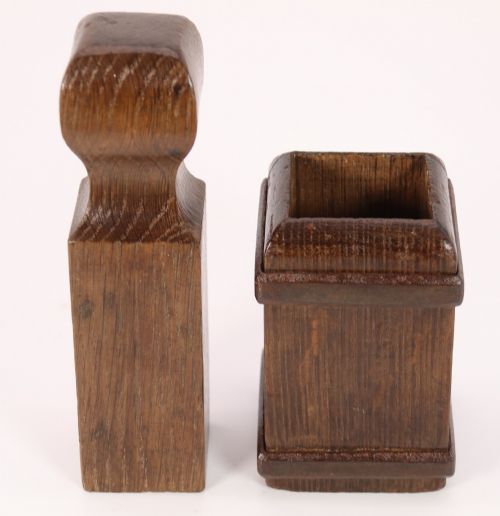
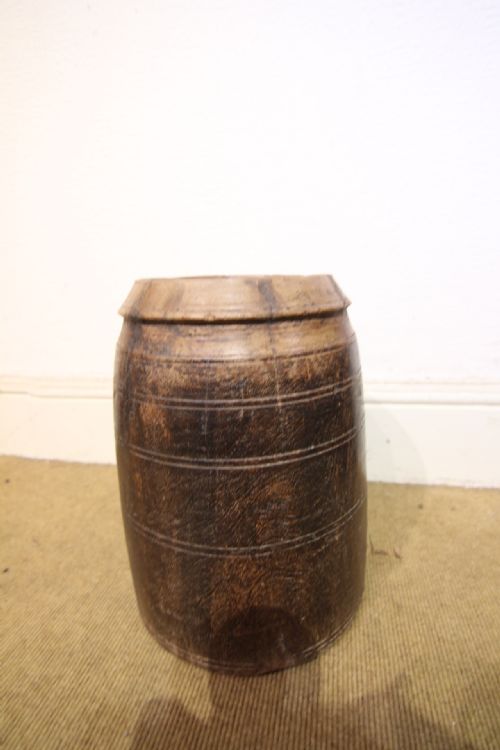
Forms span from small treen mortars and oval butter tubs up to large storage barrels and dug-out tree trunk planters. Each piece serves as a tactile record of historic rural life and traditional woodworking methods.
Materials and construction methods
Makers utilised available regional timbers such as oak, sycamore, pine, and timber sections taken straight from dug-out tree trunks. Sycamore provided stable, close-grained wood ideal for dairy bowls, while sturdy oak and pine served structural storage containers.
Construction involved traditional techniques including coopering with iron or wrought iron bands, turning on a lathe, and hand-carving or digging out solid logs. Surviving surfaces often retain traces of original paint or display a warm natural patina developed through decades of domestic use.
Periods represented span from the seventeenth century through the nineteenth and into the early twentieth century.
Factors influencing quality and character
Quality rests upon the integrity of the original construction, the honesty of the timber grain, and the degree of patination accumulated over time. Superior examples exhibit balanced proportions, untouched surfaces, and robust metal banding where iron components are present.
The distinction between ordinary utility items and exceptional survivals lies in the depth of hand-tool marks, the preservation of original paint schemes, and the structural soundness of coopered staves or dug-out sections.
The Rustic Country Wooden Vessel Glossary
- Treen
- Small handmade wooden domestic objects such as bowls, mortars, and containers. These pieces were carved for everyday household tasks.
- Coopered
- Built from vertical wooden staves fitted together and held tightly by metal or wooden hoops. This method created watertight vessels like buckets and barrels.
- Patina
- The surface sheen and colour developed on wood through age, handling, and repeated cleaning. A warm patina indicates genuine historic use.
- Dug-out
- Formed by hollowing out a single solid section of a tree trunk rather than assembling multiple pieces. This technique produced robust vessels and planters.
Rustic Country Wooden Vessel: Frequently Asked Questions
What were these wooden vessels used for?
These pieces served practical roles in rural and domestic life, ranging from separating milk in dairy bowls to storing grain, flour, and butter.
Larger items functioned as well buckets, storage barrels, and vessels for collecting wine dregs or holding household supplies.
How do I clean an antique wooden bowl?
Dust the surface regularly with a dry cloth and avoid using water, detergents, or chemical polishes that can strip the historic finish.
Applying a light coat of food-safe beeswax periodically helps nourish dry timber and maintains the natural patina.
How can I tell the age of these items?
Dating relies on tool marks left by hand-carving or lathe-turning, the style of iron or wrought iron banding, and the species of timber used.
Examining the wear patterns, construction joints, and surface finish helps place pieces within eighteenth or nineteenth-century periods.
Are these vessels suitable for holding water?
Most antique wooden vessels are no longer watertight due to the natural shrinkage of timber and iron bands over centuries.
It is best to use them dry as decorative containers, planters with inner liners, or fireside storage bins.