



Rustic Carved Occasional Table
A rustic carved occasional table brings organic texture and history into a room, offering a practical surface with character.
Rustic Carved Occasional Table
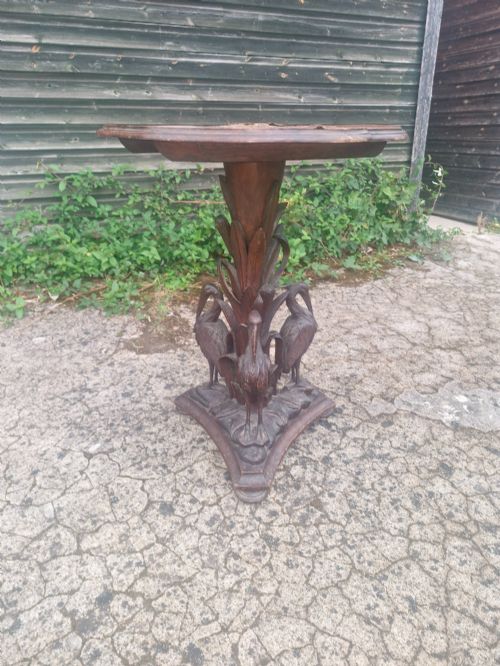
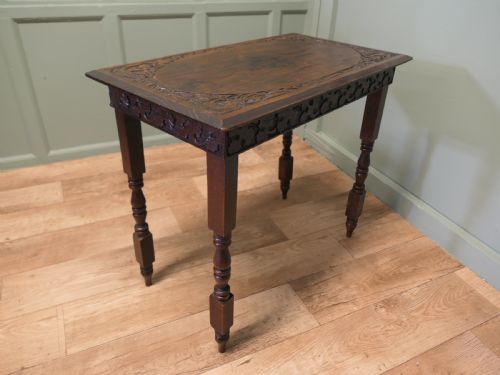
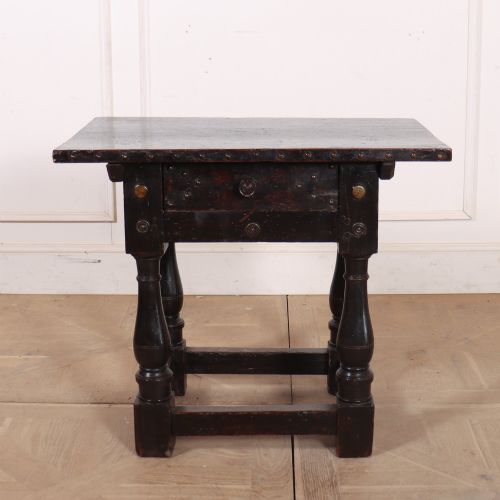
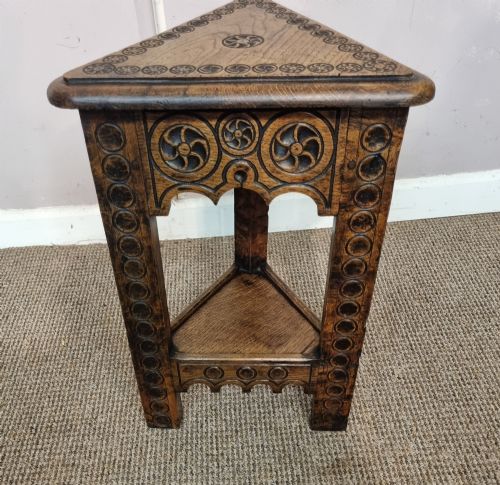
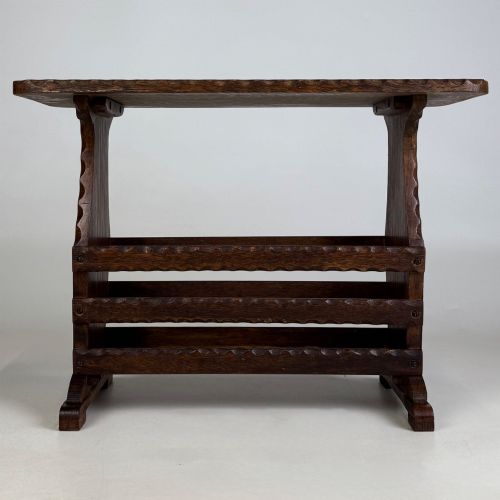
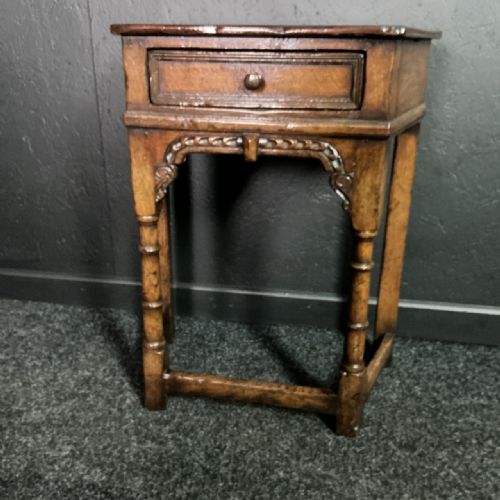
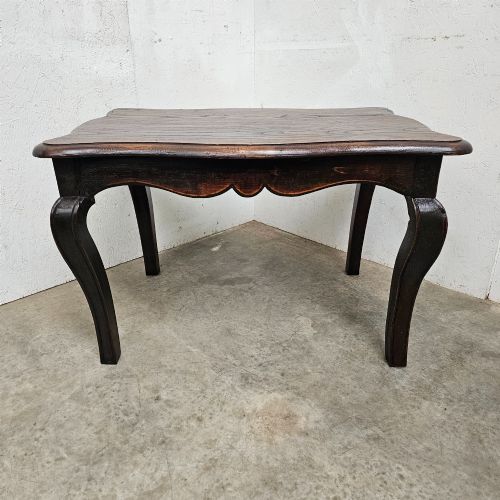
A rustic carved occasional table spans centuries of craftsmanship, appearing frequently in robust oak from the seventeenth, eighteenth, and nineteenth centuries. These pieces function as side tables, coffee tables, and low lamp tables, often featuring carved details or turned legs.
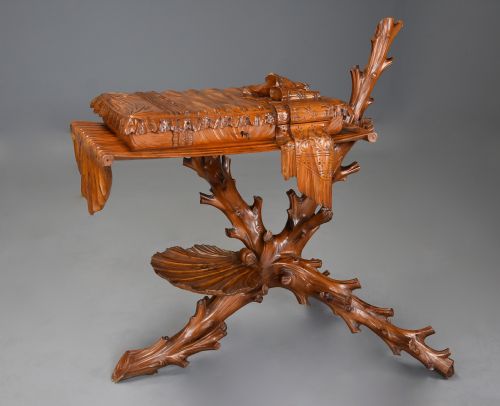
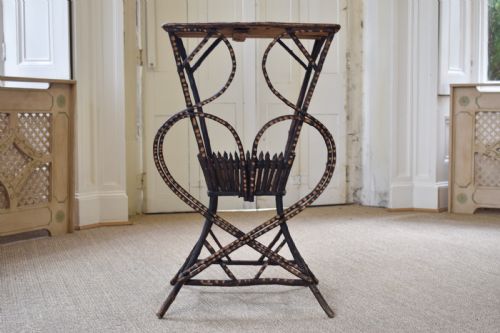
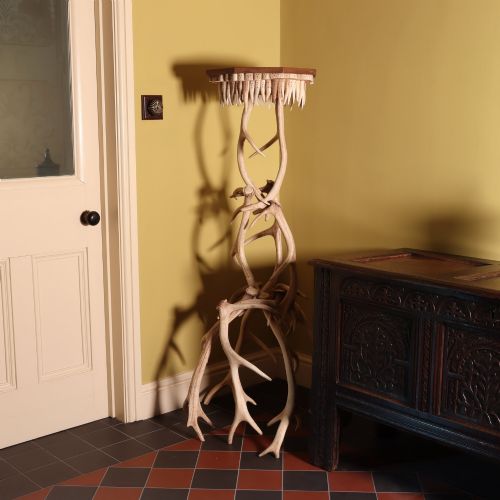
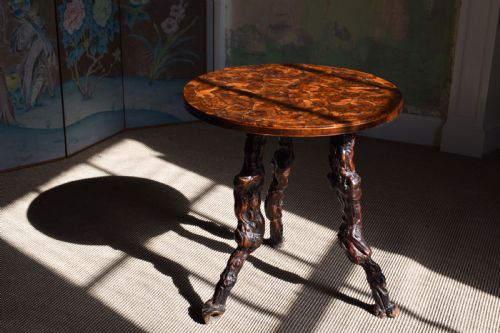
Continental examples bring alternative woods and distinct regional aesthetics to the selection, including French walnut and chestnut alongside Italian pine grotto work. Folk art twig tables and nineteenth-century designs demonstrate a diverse range of natural forms and decorative carvings.
Materials and Construction Methods
Solid timber forms the foundation of these pieces, with oak, walnut, pine, and linden wood shaped through traditional joinery and hand carving. Natural materials such as twigs and bark appear in folk art and grotto items, while brass and iron provide structural support or hardware.
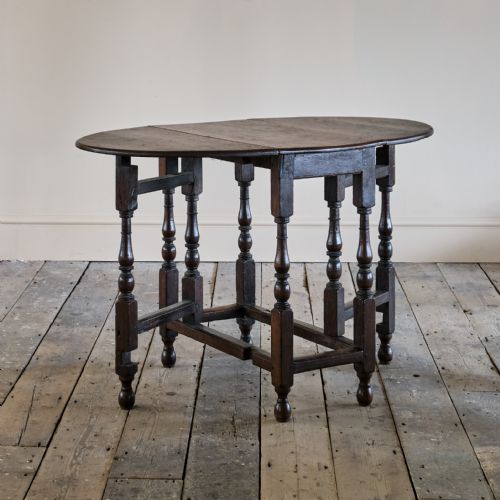
Turned legs, bobbin turning, and sculptural branches define the structural supports. Surfaces display hand-carving techniques, ranging from geometric Jacobean revival motifs to naturalistic botanical and vine work.
Listings feature woods spanning oak, walnut, pine, linden, and chestnut alongside unconventional materials like twigs and bark.
Assessing Craftsmanship and Material Integrity
Quality rests in the crispness of the hand carving and the selection of timber, where dense oak and figured walnut show superior longevity. Heavy, uniform machine work lacks the subtle tool marks found in better examples from earlier periods.
The integrity of the construction dictates the lasting value of each piece, particularly in joint stability and the preservation of original surfaces. Tables retaining their early patination and authentic structural elements stand apart from heavily restored items.
The Rustic Carved Occasional Table Glossary
- Gateleg table
- A table with hinged drop leaves supported by swing-out legs. This clever design allows the surface area to expand or contract depending on space requirements.
- Joint stool
- A sturdy, low wooden stool constructed with pegged mortise and tenon joints. These items often double as compact side or occasional tables.
- Grotto work
- Highly ornate decorative carving imitating natural rock formations, shells, and marine elements. It frequently appears in nineteenth-century Italian pine furniture.
- Bobbin turning
- A method of woodturning that produces a series of rounded, spool-like shapes along the length of a leg or stretcher. This style is common on seventeenth-century and revival furniture.
- Cricket table
- A small, lightweight three-legged table with a round top. The tripod design ensures stability on uneven early flooring.
Rustic Carved Occasional Table: Frequently Asked Questions
How do I style a rustic carved occasional table?
Pair these characterful pieces with clean, modern upholstery to let the aged timber and hand carving stand out as a focal point.
They function well beside a sofa or armchair as a convenient surface for books and lighting.
Are these tables suitable for everyday use?
Solid oak and walnut construction provides the durability needed for daily placement in living areas and hallways.
Using coasters and placepads protects antique timber surfaces from moisture and heat marks.
How do I date an antique oak table?
Examine the joinery methods, tool marks, and wood shrinkage patterns visible beneath the top and around the frame. Hand-pegged joints and uneven board widths typically point to seventeenth or eighteenth-century origin.
Revival pieces from later periods often display more uniform machine sawing and standardised fixings.
What is the difference between a side table and a lamp table?
Side tables generally offer broader rectangular surfaces suited for multiple items, drawers, or drop leaves.
Lamp tables tend to feature compact circular or square tops designed specifically to hold lighting fixtures.