



Rustic Brass Vessel
A rustic brass vessel brings warmth and functional utility from domestic interiors of the nineteenth and early twentieth centuries straight into a modern room.
Rustic Brass Vessel
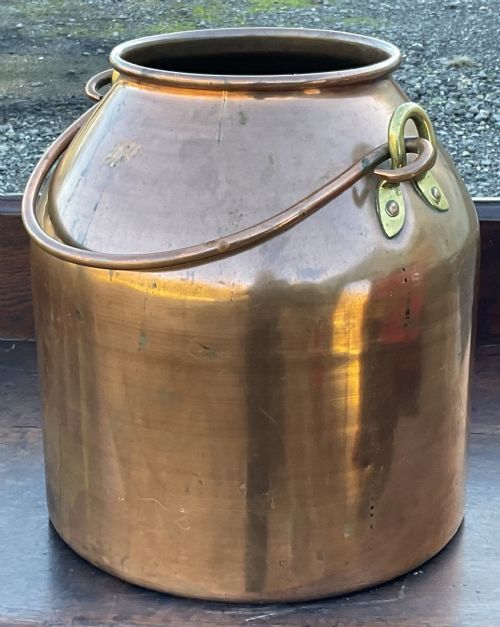
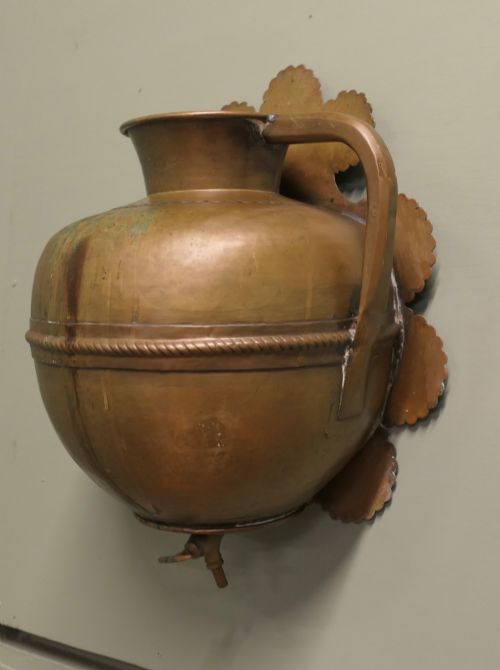
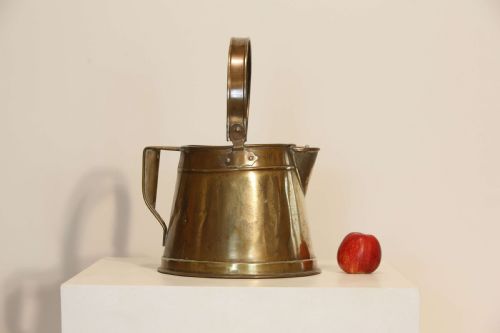
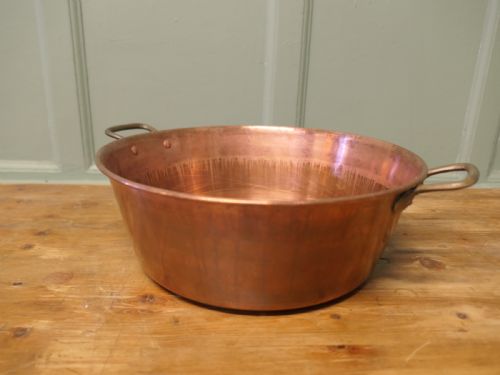
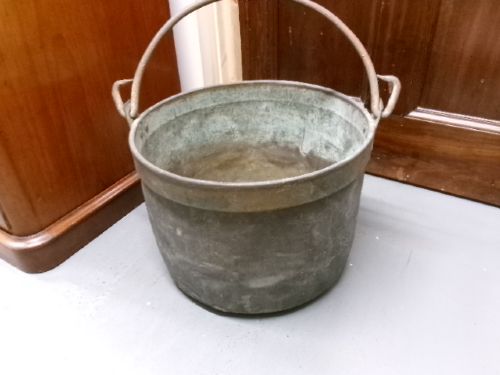
A rustic brass vessel encompasses utilitarian forms intended for practical tasks around the house, dairy, or hearth rather than purely decorative display. When looking for a rustic brass vessel, buyers encounter items produced during the nineteenth and early twentieth centuries across Victorian, Edwardian, and Arts and Crafts periods.
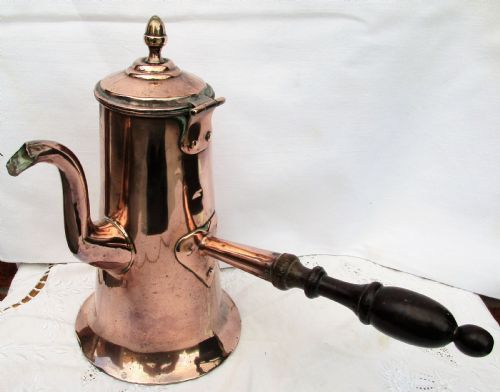
The selection ranges from kettles and cauldrons to measures, buckets, and dairy cream cans, often incorporating secondary materials like copper, iron, and oak. Pieces originate from English provincial workshops as well as Middle Eastern and French makers, reflecting diverse domestic and culinary traditions.
Materials and methods of construction
These items rely on sheet brass and copper, shaped through hammering, spinning, or panel construction. Metals are joined with dovetail seams, rivets, or brazing, showing the hand of the artisan in the visible marks left on the surface.
Wooden elements such as staves and handles utilise oak, employing coopered techniques with brass bands to secure barrels and jugs. Iron fittings and swing handles provide sturdy reinforcement for heavy vessels designed to hold liquids or heat over open fires.
Rustic Brass Vessel Retail Price Guide 2026
Typical asking prices for rustic brass vessel among the pieces listed under this phrase on Sellingantiques today, from the lower quarter to the upper quarter. They describe what is for sale here now, not the wider market.
Listings feature 19th-century and early 20th-century items made from brass, copper, iron, and oak.
Distinctions in quality and execution
Quality rests in the weight of the metal, the integrity of the joins, and the balance of the overall form. Heavier gauge brass and copper indicate utilitarian endurance, while refined hand-beating and clean rivet work distinguish superior pieces from standard workshop output.
The harmony of mixed materials, such as tight copper dovetailing on a kettle base or precise oak cooperage bound with solid brass hoops, separates standard household equipment from exceptional examples.
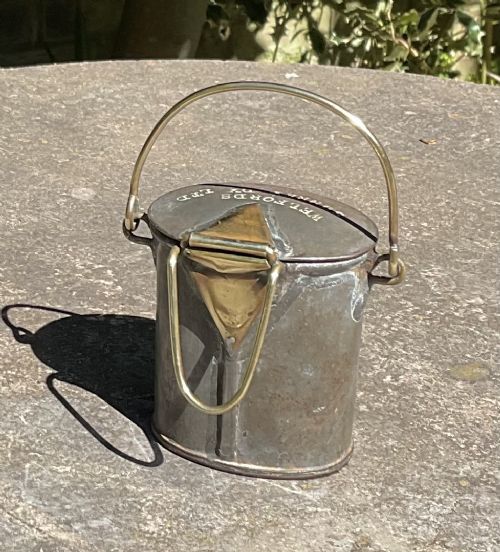
J Bower·Welfords Surrey Dairy
The Rustic Brass Vessel Glossary
- Coopered
- Constructed from wooden staves fitted together and bound with metal hoops, typical of buckets and jugs.
- Cauldron
- A large metal pot with a swing handle, traditionally used for heating liquids over an open hearth.
- Haystack measure
- A tall, tapered brass liquid measure, named for its silhouette resembling a traditional haystack.
- Daubiere
- A specialised covered cooking pot used in French cuisine for braising meats slowly.
Rustic Brass Vessel: Frequently Asked Questions
What were brass vessels used for?
These pieces served practical roles in daily domestic life, functioning as kettles for boiling water, cauldrons for hearth cooking, and measures for liquids.
They handled heavy daily tasks in kitchens, dairies, and farmhouses, combining sturdy construction with everyday utility.
How do I clean a brass vessel?
Maintenance depends on whether you prefer a polished finish or the dark oxidation acquired over centuries of use.
Gentle washing with warm soapy water removes dust and grease without stripping the historic character of the metal.
How do I date a brass vessel?
Dating relies on examining construction methods, such as the style of rivets, seam types, and handle attachments.
Comparing design motifs with known stylistic periods like Victorian, Edwardian, or George III helps narrow down the decade of manufacture.
Are these vessels safe for cooking?
Most antique metal vessels were designed for historical hearth use and often lack modern food-safe linings.
Many collectors choose to display them as decorative objects rather than utilising them for active food preparation.