



Ruby Glass Scent
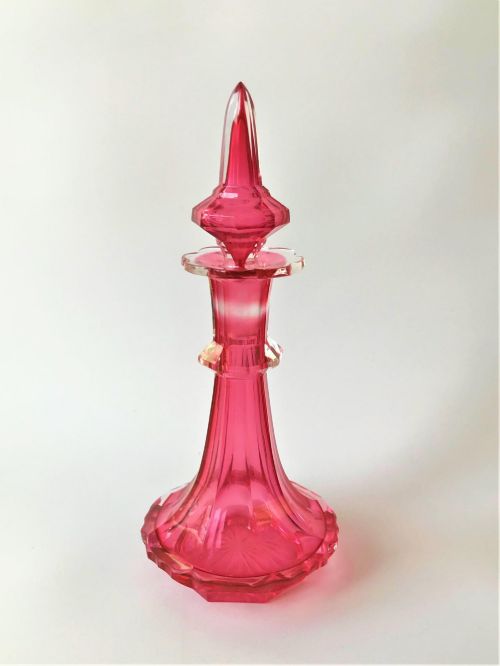
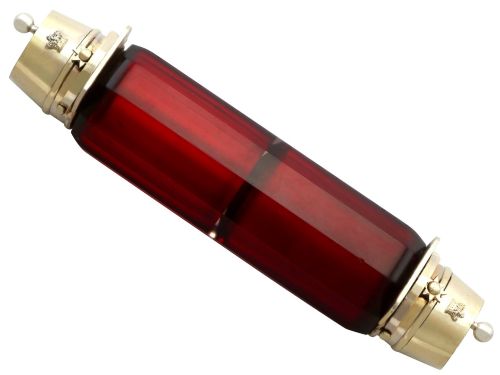
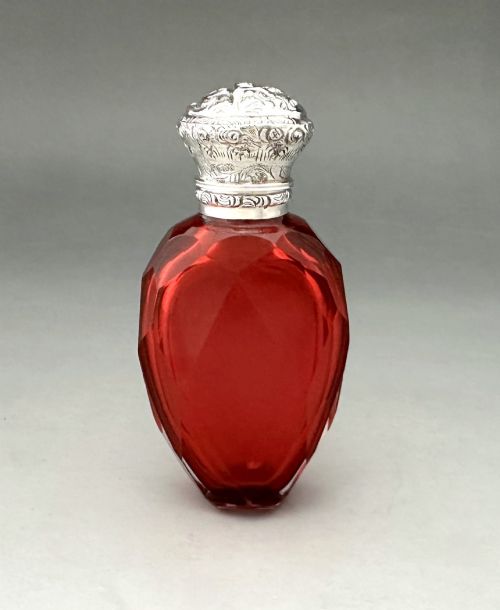
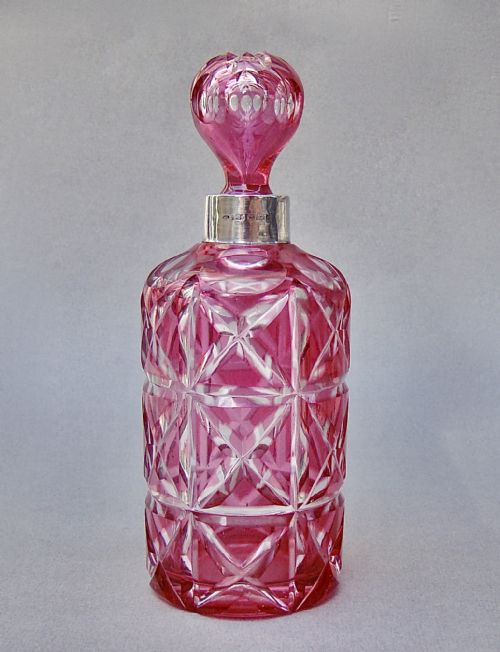
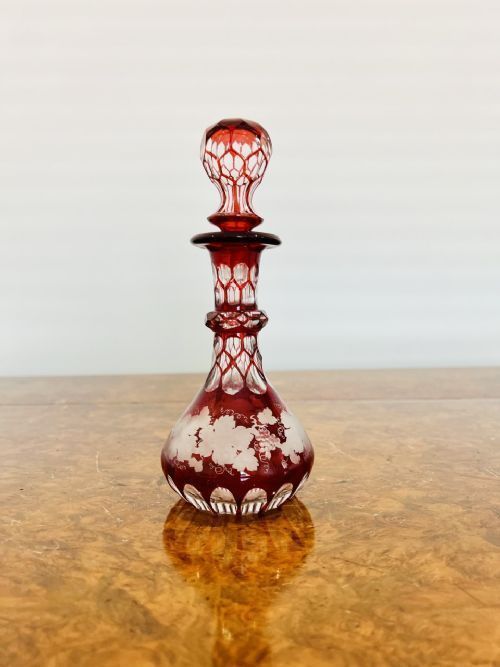
Ruby glass scent bottles combine rich red glass with gleaming silver or ormolu mounts to create pocket-sized pieces of dressing table luxury.
Ruby Glass Scent
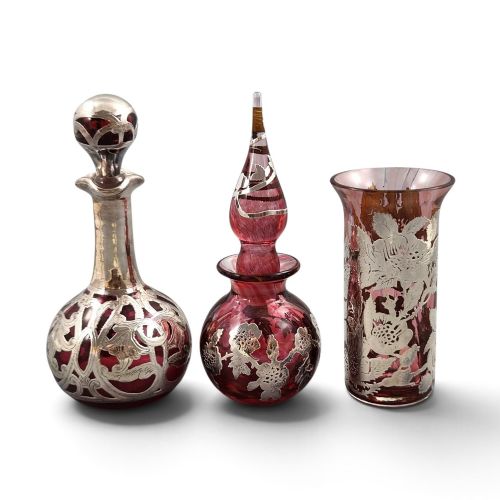
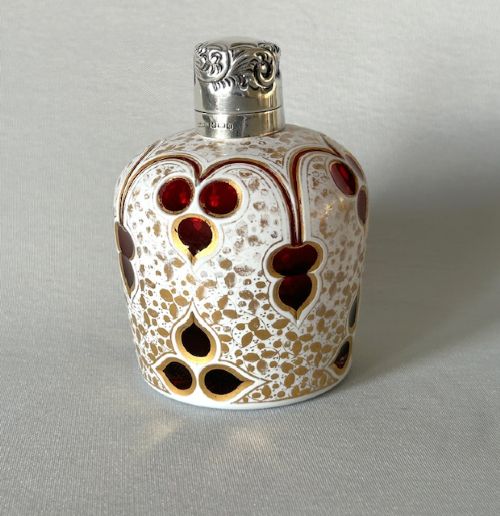
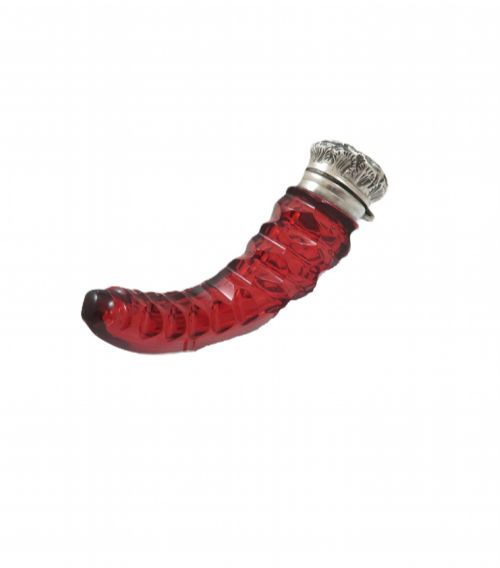
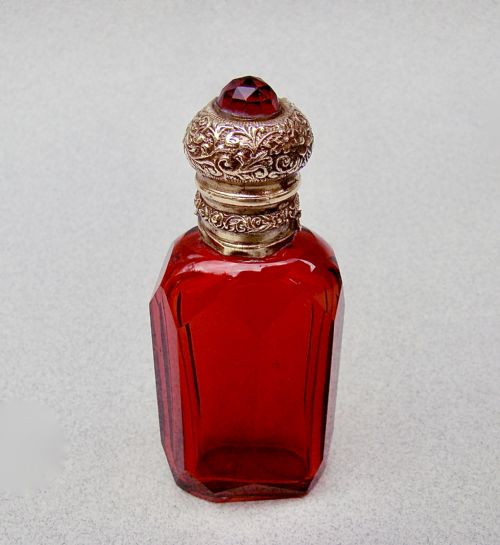
When you search for ruby glass scent, you are looking at small personal containers designed to hold perfume or smelling salts. The pieces found here span the Victorian, Edwardian, and Art Deco periods, showcasing how personal vanity items evolved across multiple decades. Most examples on this page are Victorian or Edwardian creations, often featuring fitted sterling silver, ormolu, or silver overlay mounts.
The physical forms include pocket scent bottles, vanity ensembles, and spirit perfume bottles with stoppers. Makers from England, France, and Bohemia utilised rich red hues ranging from deep ruby to lighter cranberry tones. These objects served both a practical purpose for personal freshening and a decorative role on elite dressing tables.
Materials and Construction Techniques
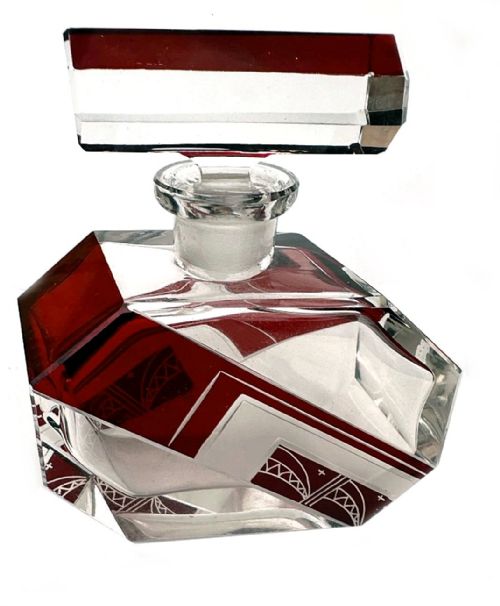
The core material is coloured glass, produced by adding gold or copper compounds to the molten batch to achieve the characteristic red and cranberry tones. Overlay techniques appear frequently, where a layer of coloured glass is cut away to reveal clear glass underneath, creating crisp geometric or floral patterns. Artisans also applied gold leaf gilding directly onto the glass surface for added ornamentation.
Metal mounts in sterling silver, ormolu, and silver overlay provide structural support and secure closures. Silversmiths worked metal directly onto the glass necks and bodies, incorporating hinged caps and cork stoppers to prevent evaporation. Bohemian and English workshops specialised in cutting and faceting the thick crystal to catch the light.
Ruby Glass Scent Retail Price Guide 2026
Typical asking prices for ruby glass scent among the pieces listed under this phrase on Sellingantiques today, from the lower quarter to the upper quarter. They describe what is for sale here now, not the wider market.
Assessing Quality and Execution
Quality rests heavily on the depth of the glass colour and the precision of the surface cutting. Superior pieces display crisp faceting and complex overlay work rather than simple moulded glass. The weight of the crystal and the clarity of the underlying material distinguish finer productions from standard factory output.
The metalwork provides another clear indicator of grade, with intricate silver repousse or hand-engraved mounts denoting higher craftsmanship. Maker signatures on the silver or glass elevate the piece, especially when combined with intact original stoppers and secure, functioning hinges.
Gorham·Harold Bushell and Co·Karl Palda
The Ruby Glass Scent Glossary
- Ruby Glass
- A rich red glass coloured during manufacture through the addition of gold or copper. This vibrant material became immensely popular for decorative and functional vessels during the nineteenth century.
- Cranberry Glass
- A lighter pinkish-red glass variant commonly utilised in Victorian and Edwardian scent bottles. It shares production methods with ruby glass but yields a translucent, berry-like hue.
- Ormolu
- Gilded bronze or brass mounts applied to nineteenth-century glassware. This decorative metalwork adds an opulent golden contrast to the deep red glass body.
- Silver Overlay
- A technique where silver is electroplated onto glass in intricate decorative patterns. The metal bonds permanently to the surface before being engraved or polished.
- Spirit Perfume Bottle
- A specialised container designed to hold strong smelling salts or liquid refreshers. These pieces often feature secure screw-action or hinged silver caps to contain volatile liquids.
Ruby Glass Scent: Frequently Asked Questions
What is ruby glass scent?
Ruby glass scent refers to small personal perfume containers made from deep red or cranberry-coloured glass. They were designed to sit on a vanity or fit neatly inside a pocket for daily use.
These pieces typically date from the nineteenth and early twentieth centuries, combining vibrant glass bodies with protective metal mounts.
How do I date a scent bottle?
Dating relies heavily on the style of the metal mounts, glass cutting techniques, and any hallmarks stamped on the silver. Victorian pieces often feature heavy cut glass and ornate silver repousse, while Art Deco examples show cleaner geometric lines.
Examining the stopper type and construction methods also helps narrow down the production era.
Were these used for perfume?
Yes, many held liquid perfumes for personal freshening throughout the day. Others were specifically designed to hold smelling salts to revive individuals who felt faint.
The presence of an internal glass stopper alongside an outer cap usually indicates a liquid perfume container.
How should I display them?
These bottles look best grouped together on a mirrored vanity tray or displayed inside a glass-front cabinet where light can pass through the red glass. Placing them near a light source highlights the depth of the ruby and cranberry hues.
Ensure they rest on a stable surface away from direct, harsh sunlight to protect the materials over time.