


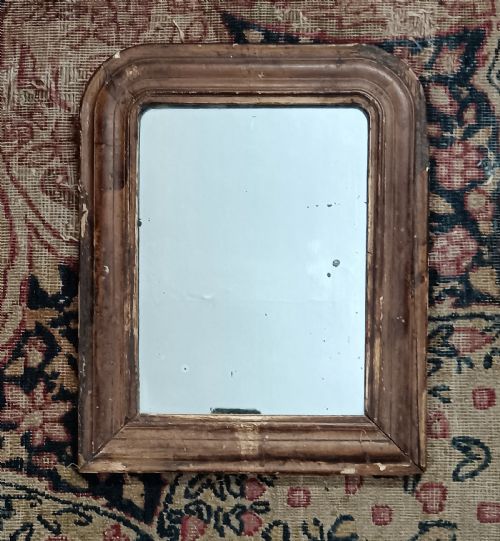


Round Wooden Wall Mirror
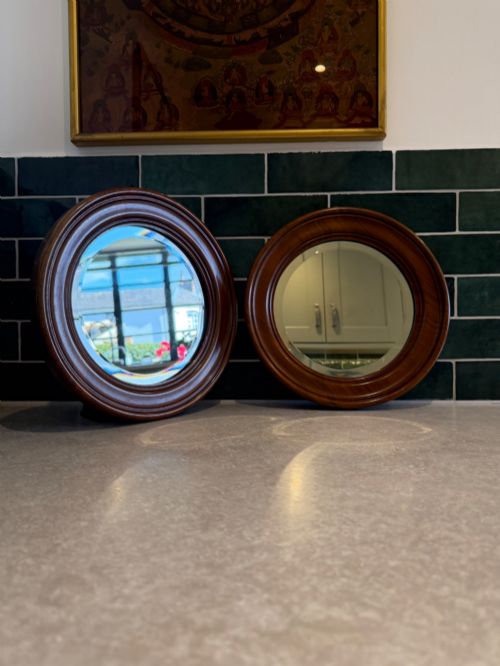
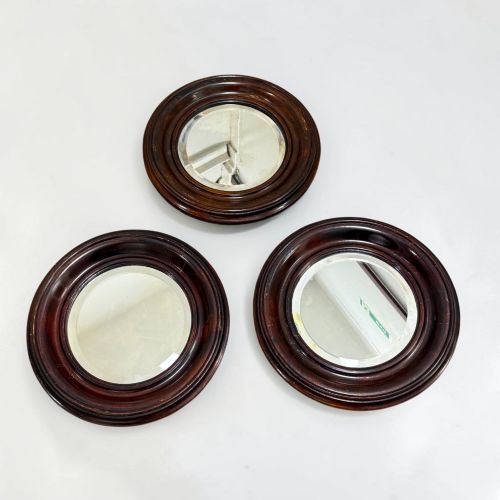
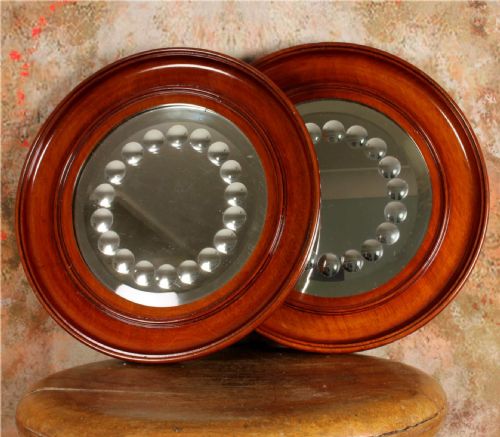
A round wooden wall mirror brings warmth and depth to a room through timber frames and reflective glass.
Round Wooden Wall Mirror
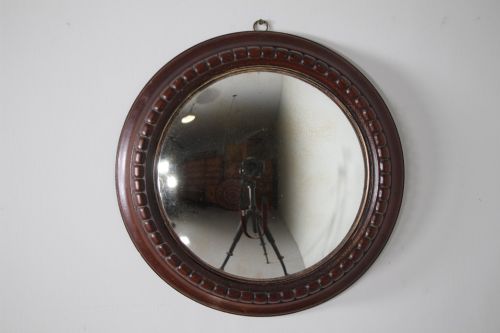
The most common iterations on this page include simple circular walnut or mahogany frames, alongside more striking convex or witch's mirrors that distort reflections in the manner of historical optics. Frames range from restrained Edwardian oak to heavily figured burr walnut and carved nineteenth-century timber.
How they were made
Frames are constructed from solid timbers such as mahogany, walnut, and oak, frequently turned on a lathe or carved by hand to achieve a smooth circular profile. Woods are selected for their deep grain patterns, then polished to a soft sheen that highlights the natural figuring of the material.
Glass plates are set securely within the wooden surrounds, sometimes accompanied by brass fixings or decorative metal mounts. Older pieces feature original mirror plates that show subtle foxing and age spots, marking the passage of time on the reflective surface.
Round Wooden Wall Mirror Retail Price Guide 2026
Typical asking prices for round wooden wall mirror among the pieces listed under this phrase on Sellingantiques today, from the lower quarter to the upper quarter. They describe what is for sale here now, not the wider market.
Fairground carousel panels occasionally slip into the lineup, bringing unexpected fun to the wall.
What varies in quality
Quality rests in the selection of the timber and the crispness of the turning or carving on the frame. Dense hardwoods like burr walnut and finely grained mahogany command attention through rich colour and substantial weight, whereas lesser pieces use plainer timber with less visual depth.
The integrity of the construction where the wooden segments meet defines the longevity of the frame. Superior examples retain their original mirror plates and backboards, displaying a harmony between the glass and the timber housing that mass-produced alternatives lack.
The Round Wooden Wall Mirror Glossary
- Convex mirror
- A round mirror with a bulging, outwardly curved glass surface that provides a wide-angle, panoramic reflection of the interior. These are sometimes historically known as witch's mirrors or sorcerer's mirrors.
- Foxing
- The natural age-related chemical process that causes small dark spots and speckles to form within the silvering of the mirror plate. It offers a clear sign of historical authenticity.
- Burr walnut
- A specialised timber cut from the wart-like growth on a walnut tree, yielding highly decorative, swirling grain patterns. It is prized for luxury furniture and mirror frames.
- Louis Philippe
- A nineteenth-century French style characterised by clean lines, understated elegance, and subtle decorative carving. It often appears on arched or rounded frames from the period.
Round Wooden Wall Mirror: Frequently Asked Questions
Where should I hang a round wooden mirror?
A round wooden mirror suits spaces that benefit from breaking up straight architectural lines, such as above a mantelpiece, in a hallway, or over a chest of drawers.
The circular timber frame acts like a piece of art, so mounting it at eye level allows it to reflect light effectively while balancing adjacent furniture.
How do I date a wooden wall mirror?
Dating relies on examining the timber species, the method of construction, and the characteristics of the mirror plate itself. Heavier hardwoods, hand-turned mouldings, and foxed glass typically point towards nineteenth-century craftsmanship.
Secondary indicators include the type of screws, backing boards, and historical fixings found on the reverse of the frame.
How do I care for an antique mirror frame?
Care for the wooden frame involves dusting gently with a dry cloth and avoiding harsh chemical polishes that can strip the historic finish. Walnut and mahogany appreciate occasional specialist wax applied sparingly.
When cleaning the glass, apply a mild glass cleaner to a cloth rather than directly onto the mirror to prevent moisture from seeping behind the frame and damaging the plate.