

Round Wooden Pedestal
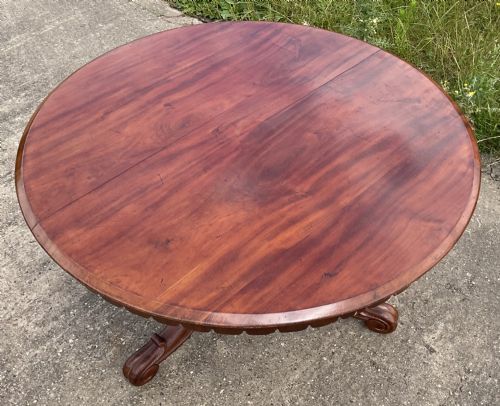
These round wooden pedestal tables provide a stable central support for everything from wine glasses to dining spreads.
Round Wooden Pedestal
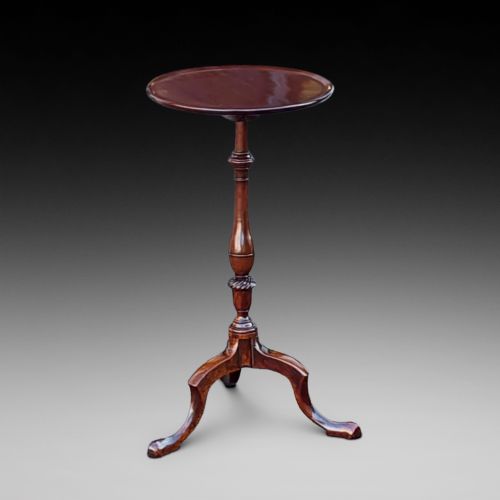
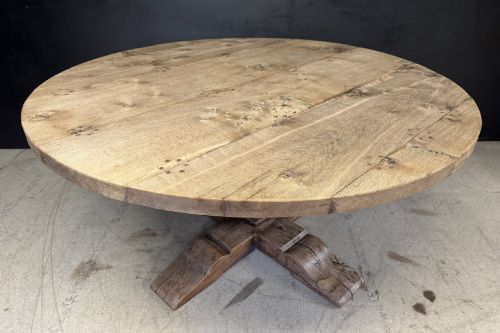
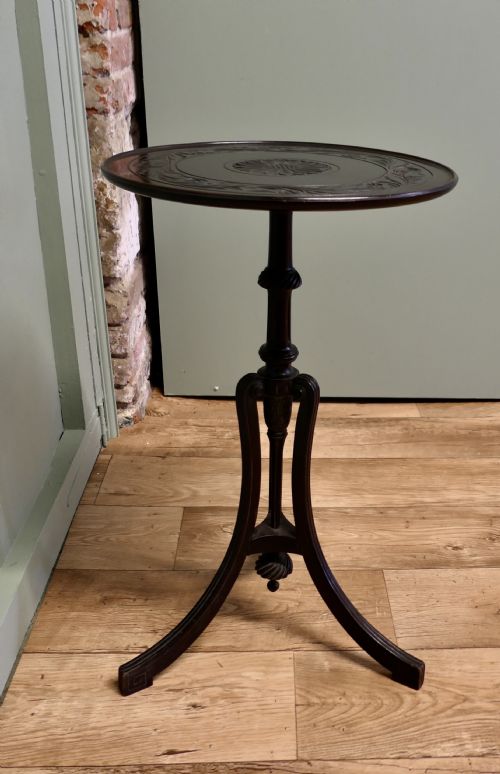
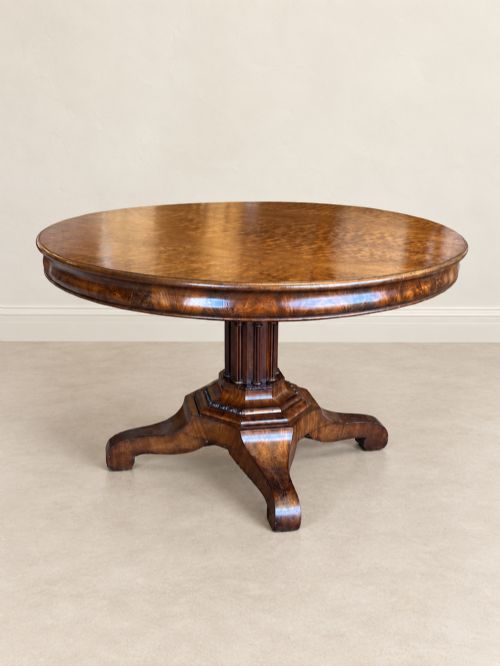
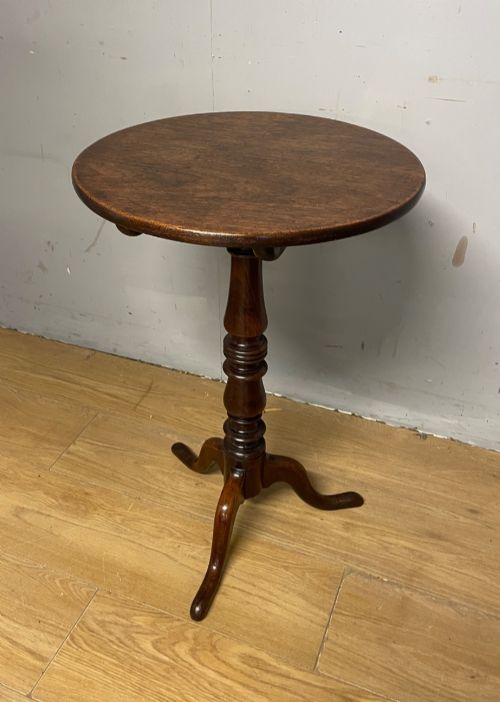
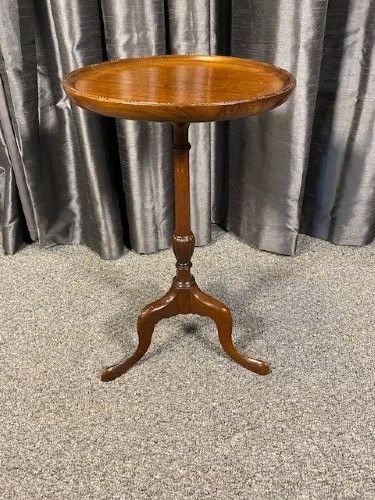
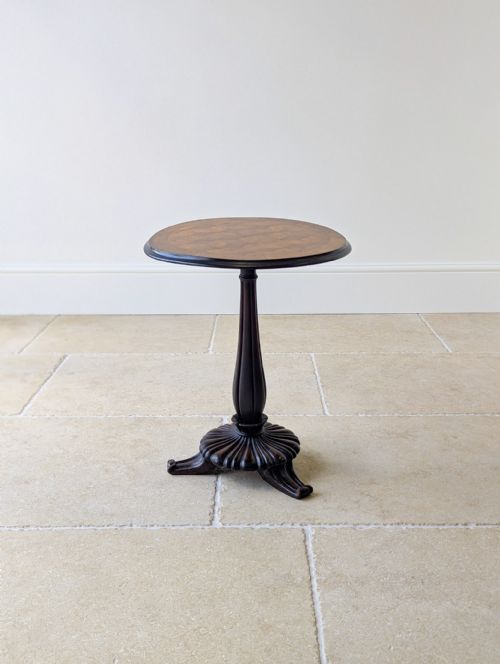
A round wooden pedestal is a versatile table supported by a single central column rather than standard corner legs, offering practical utility in tight spaces. You encounter various formats here, ranging from small tripod wine tables to large breakfast and dining tables.
The selections span multiple periods, with Victorian and Georgian pieces appearing frequently alongside Edwardian and 1930s examples. Woods such as mahogany, oak, walnut, and rosewood dominate the construction across these varied dining, occasional, and plant stand forms.
Construction and Materials
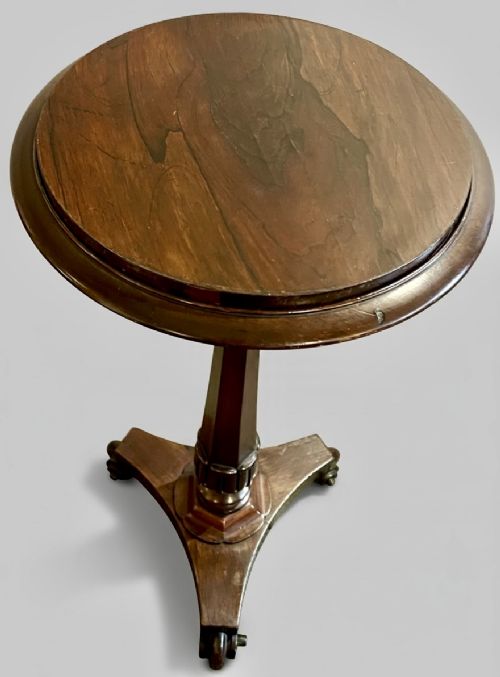
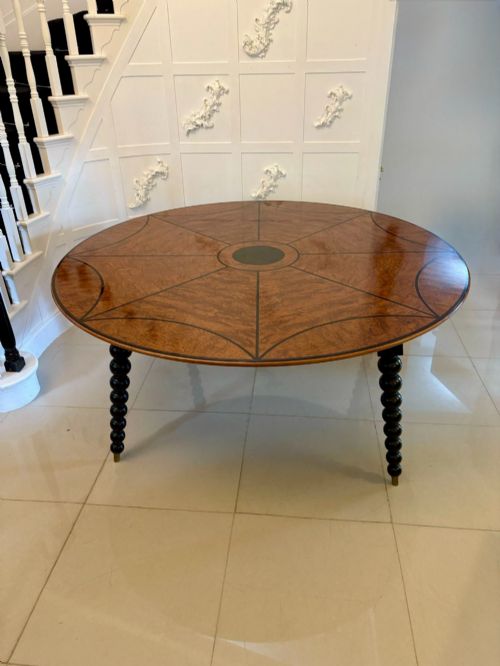
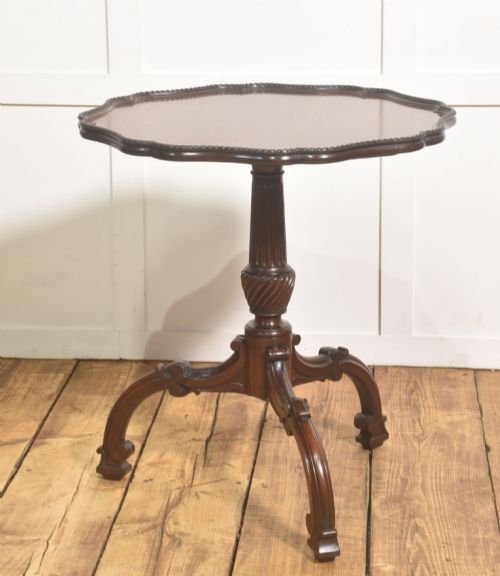
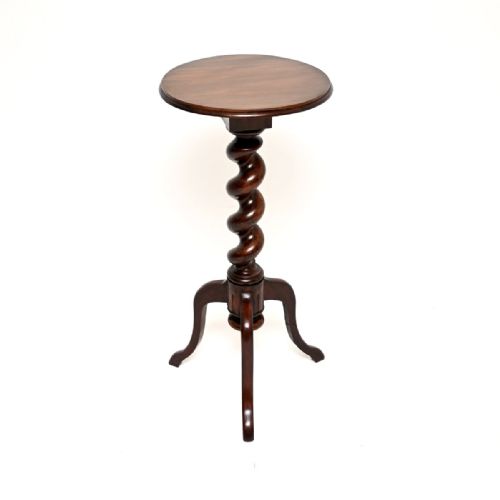
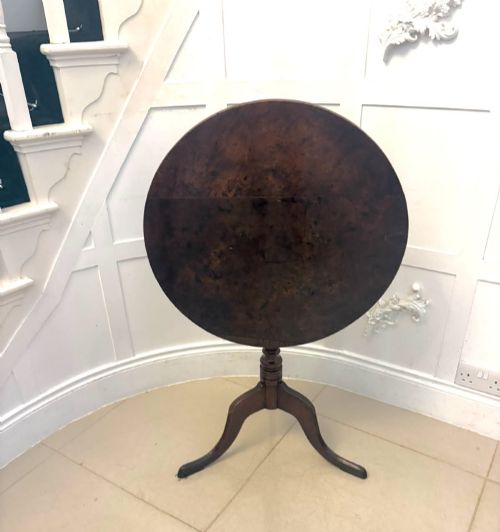
Cabinet makers utilised dense hardwoods like mahogany, walnut, and oak to build the central pillars and circular tops, frequently employing tilt-top mechanisms for storage. Turned columns often feature barley twist details or carved tripod legs terminating in pad or claw feet.
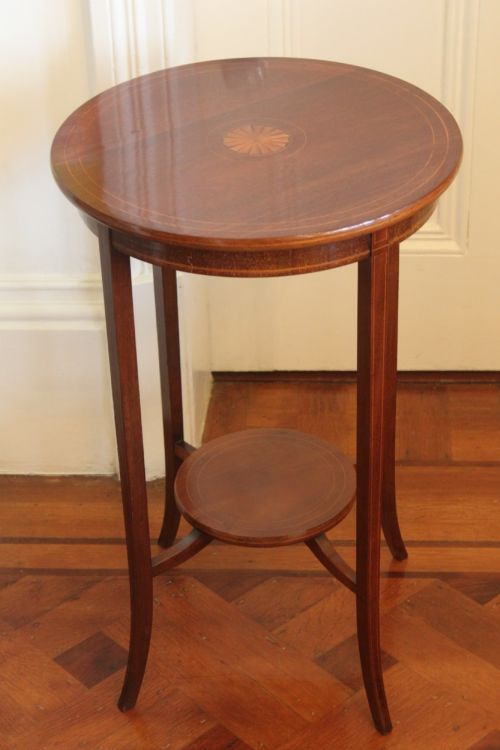
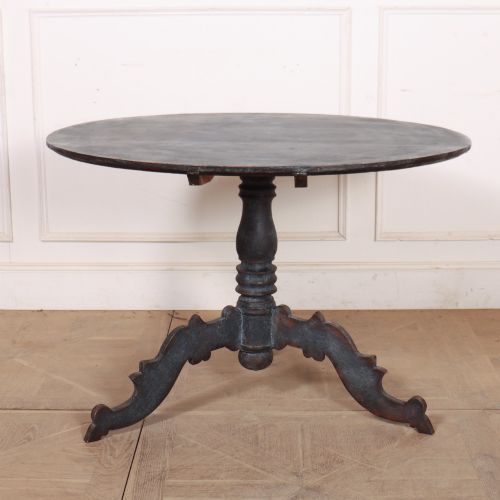
Inlaid borders, crossbanding, and ebony details add decorative contrast to the timber surfaces, while painted finishes appear on continental pieces. Turned construction methods ensure the central weight distributes evenly down the pedestal base.
Listings feature 19th Century, Victorian, Georgian, and Regency periods alongside Edwardian and 1930s examples.
Assessing Quality
The choice of timber grain dictates much of the visual appeal, with burr oak, pollard oak, and burr walnut commanding attention for their intricate figuring. Superior examples exhibit precise joinery at the pillar joints and crisp, deep carving on the tripod bases.
Balance and stability remain paramount, as a well-made pedestal stands firm on its three or four feet without rocking. Subtle details like crossbanded borders and inlaid banding separate standard utility pieces from finer parlour tables.
Bulstrode Cambridge
The Round Wooden Pedestal Glossary
- Tilt-top
- A tabletop hinged to the central pedestal that can be folded vertically when not in use. This clever mechanism allowed tables to be stored flat against a wall to save floor space in smaller rooms.
- Tripod base
- A pedestal support terminating in three legs radiating from the central column. This design ensures the table remains steady on uneven historical flooring.
- Barley twist
- A type of turning carved into wood to resemble the spiral shape of barley sugar. It gained widespread popularity during the Victorian period.
- Crossbanding
- A decorative border of veneer laid around the edge of a tabletop with the wood grain running perpendicular to the centre. It creates a neat framing effect on mahogany and walnut surfaces.
- Occasional table
- A small, movable table designed for specific, intermittent use rather than permanent placement. They serve well as lamp or wine stands.
Round Wooden Pedestal: Frequently Asked Questions
What is a tilt top table used for?
Tilt top tables served as versatile furniture that folded away against walls when floor space was needed.
In daily life, they functioned as wine or lamp tables before being stored out of the way.
How do I date a mahogany pedestal table?
Dating relies on examining the construction methods, leg design, and secondary timbers used in the base. Georgian pieces often feature simple tripod bases, while Victorian examples frequently showcase barley twist columns.
Stylistic cues like crossbanding and veneer choices also help narrow down the period of manufacture.
Where should I place a pedestal table?
These tables fit well in corners, beside seating, or as a focal centre table in a hallway. Their single central column makes it easy to arrange chairs around them without hitting legs.
Smaller wine tables suit reading nooks, while larger circular tops anchor a dining room.
What woods are common in these tables?
Mahogany is the most frequent timber, joined by oak, walnut, and rosewood across different eras. Continental pieces occasionally utilise birch, elm, or painted wood.
Figured grains like burr walnut and pollard oak appear on finer examples.