


Round Wooden Pedestal Table
A round wooden pedestal table balances a single central column beneath a circular top, offering stable poise and useful surface space in any room.
Round Wooden Pedestal Table
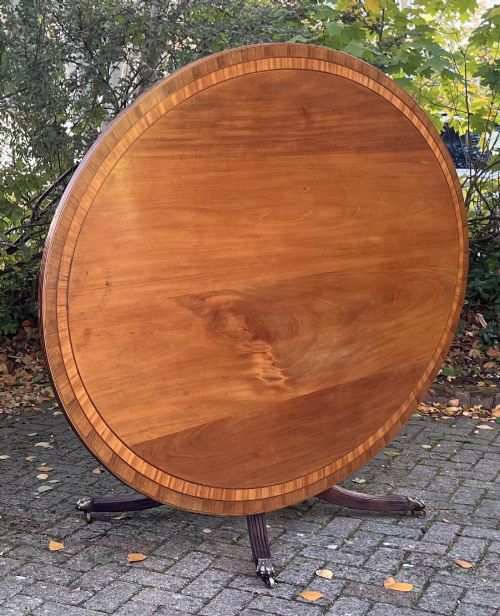
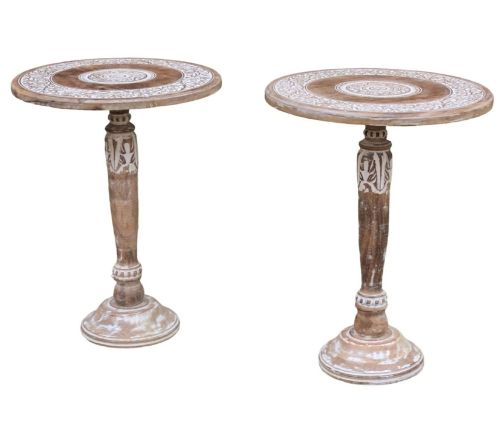
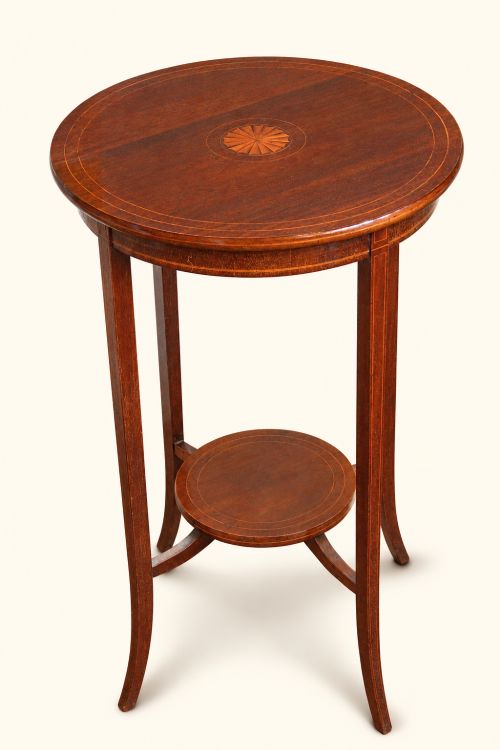
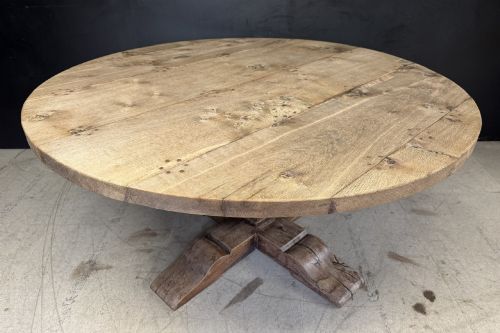
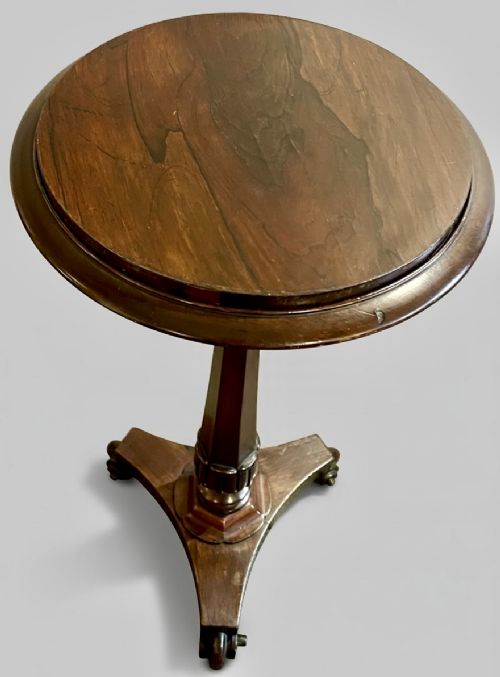
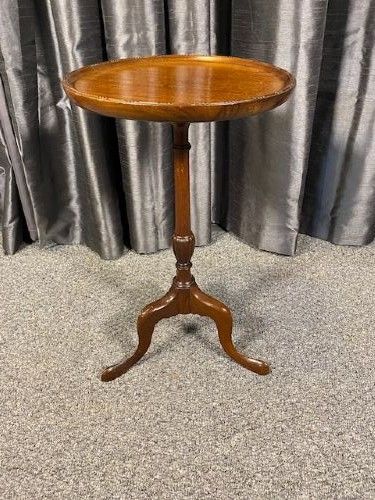
A round wooden pedestal table gathers domestic life around a single central column, taking the form of compact wine tables, tilt-top breakfast tables, and larger dining surfaces. When you search for a round wooden pedestal table, you encounter pieces spanning the Georgian, Regency, Victorian, and Edwardian eras, constructed from timbers such as mahogany, walnut, oak, and rosewood.
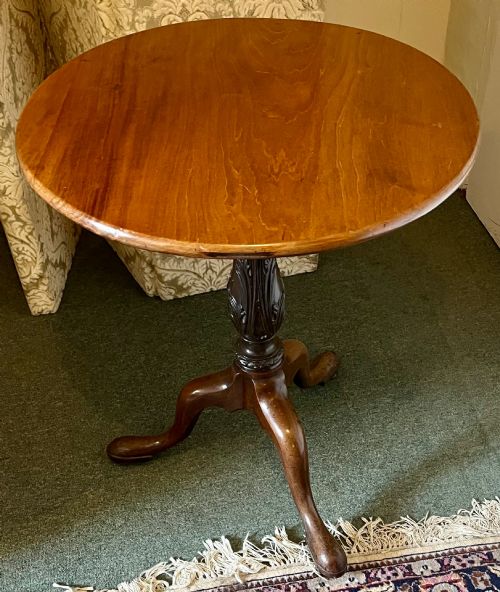
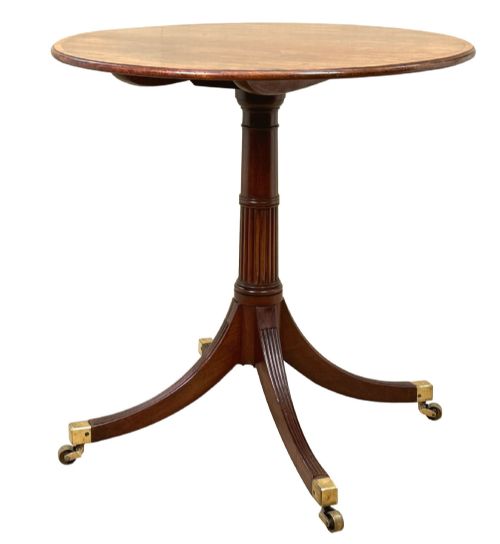
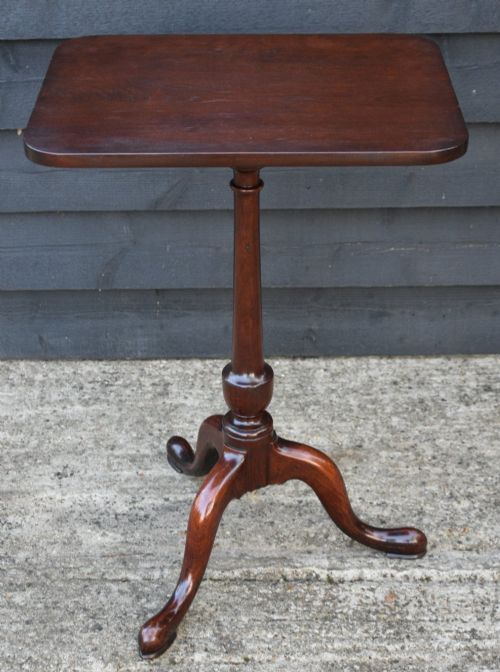
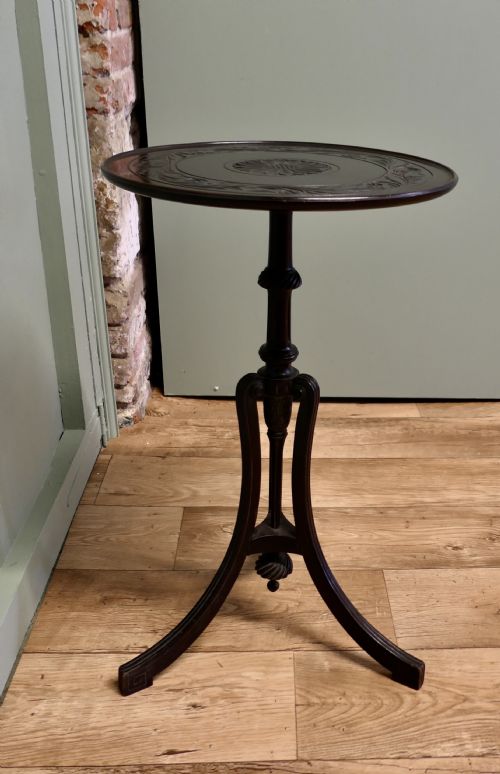
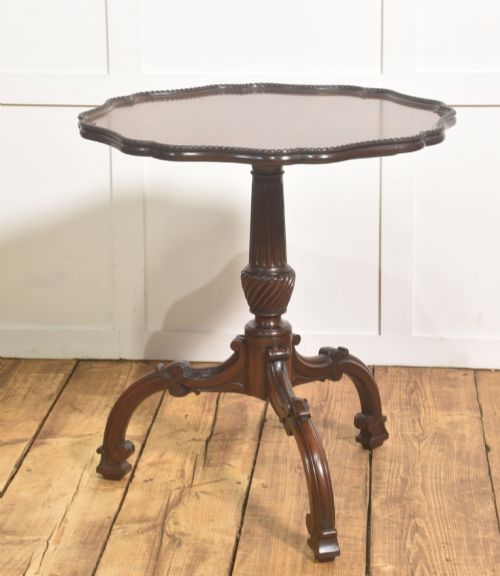
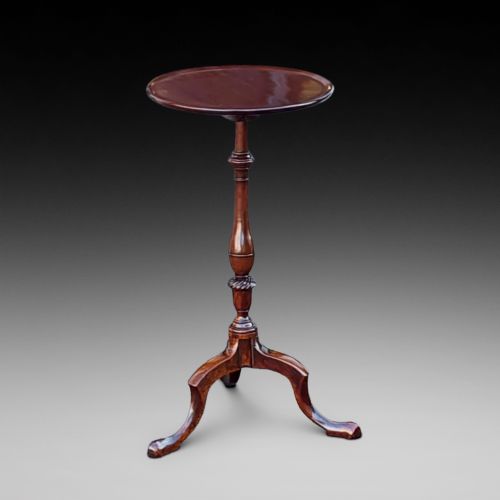
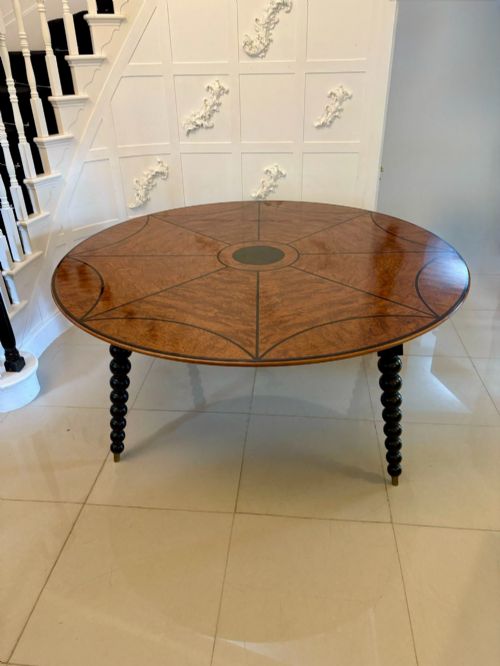
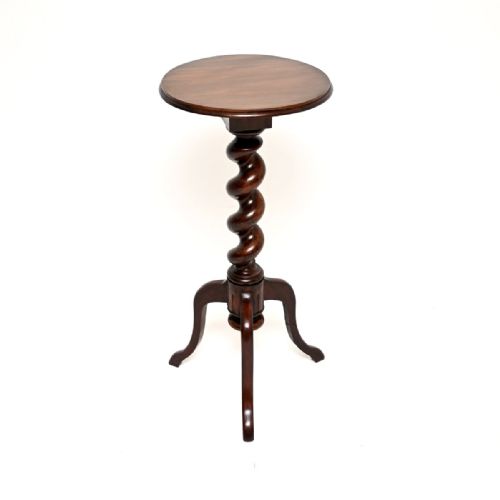
The smaller versions often feature tripod legs supporting a pivoting top, which allowed makers to tilt the surface against a wall when not in use. Larger examples serve as central dining or breakfast furniture, resting upon heavy pillar bases that occasionally incorporate carved details or barley twist supports.
How they were made
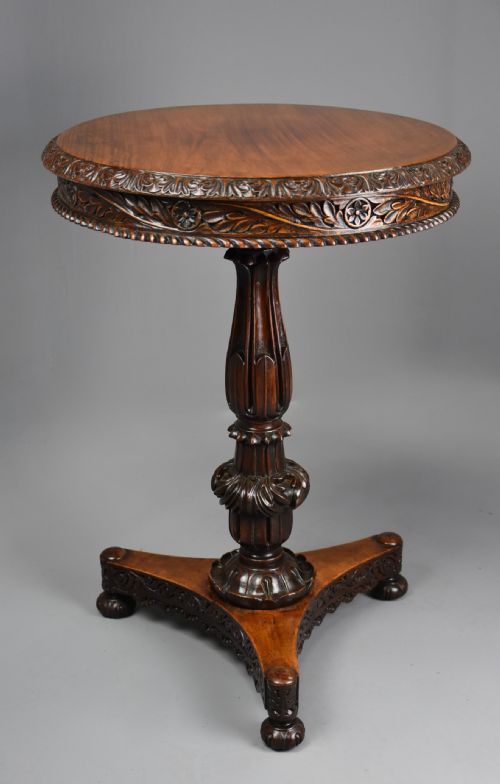
Cabinet makers utilised dense hardwoods like mahogany, walnut, and oak, selecting burr veneers and crossbanded borders to create decorative patterns across the circular tops. Turned central pillars required careful lathe work to join solidly with three-legged tripod bases or heavier platform plinths.
Joinery methods involved sturdy tenons and clever tilt mechanisms using brass catches, ensuring the timber could handle the natural movement caused by changing room temperatures without splitting the surface.
Round Wooden Pedestal Table Retail Price Guide 2026
Typical asking prices for round wooden pedestal table among the pieces listed under this phrase on Sellingantiques today, from the lower quarter to the upper quarter. They describe what is for sale here now, not the wider market.
What varies in quality
The distinction between standard utility furniture and superior examples lies in the selection of timber and the depth of carving on the pillar and base. Finer tables exhibit carefully matched wood grains, such as burr oak or pollard oak, combined with precise turning on barley twist stems and robust tripod joints.
Lesser pieces rely on simpler construction with plain timber surfaces, whilst exceptional items incorporate brass inlays, crossbanded borders, and sophisticated tilt-top mechanisms that lock flush when lowered.
Bulstrode Cambridge
The Round Wooden Pedestal Table Glossary
- Tilt-top table
- A table with a hinged top that pivots vertically to save space when not in use. This mechanism is frequently found on smaller tripod wine tables.
- Tripod base
- A three-legged support system radiating from a central column. It provides steady contact on uneven floors by preventing the wobble common in four-legged designs.
- Crossbanding
- A decorative border of veneer laid around the perimeter of a tabletop so that the grain runs perpendicular to the main centre panel. It frames the primary wood figure.
- Barley twist
- A spiral turning technique applied to wooden table columns or legs. It creates a rope-like aesthetic popular during the Victorian period.
- Breakfast table
- A medium-sized pedestal table designed for morning meals or as a centre table. They often feature circular tops supported by heavy pillar columns.
Round Wooden Pedestal Table: Frequently Asked Questions
How were wine tables used?
Wine tables served as movable stands for decanters and glasses during evening social gatherings in Georgian and Victorian parlours. Their compact circular tops allowed servants to place drinks close to seated guests without cluttering the room.
Over time, these versatile pieces moved beyond the dining room to function as bedside stands, lamp tables, or display surfaces for decorative objects.
What is a tilt-top mechanism?
A tilt-top mechanism uses a wooden catch and pivot block beneath the circular surface to let the top flip vertically. This clever design enabled homeowners to store tables flat against walls when rooms needed to be cleared.
Most period examples rely on a brass catch to lock the tabletop firmly into the horizontal position when in use.
How do I date a pedestal table?
Dating relies on observing the timber species, leg profiles, and construction methods characteristic of different eras. Georgian and Regency pieces often feature elegant tripod legs with pad or spade feet, whilst Victorian examples frequently showcase heavier mahogany pillars and barley twist turnings.
Mahogany and oak dominate the 18th and early 19th centuries, whereas walnut and rosewood gain prominence during the mid-Victorian decades.
Can I use a wine table for dining?
Wine tables are built with small circular tops primarily suited for drinks, books, or lamps rather than full meals. Larger pedestal tables, such as breakfast or centre tables, provide the necessary surface area and height for dining.
Checking the diameter of the tabletop helps determine whether a specific pedestal table matches your intended seating or display requirements.