





Round Wooden Frame
A round wooden frame holds everything from wall mirrors to clock dials, offering a neat geometry that suits compact spaces.
Round Wooden Frame
When you search for a round wooden frame, you encounter a variety of circular objects spanning the eighteenth, nineteenth, and early twentieth centuries. The selection on this page leans heavily towards wall mirrors, wall clocks, and occasional tables framed in timber.
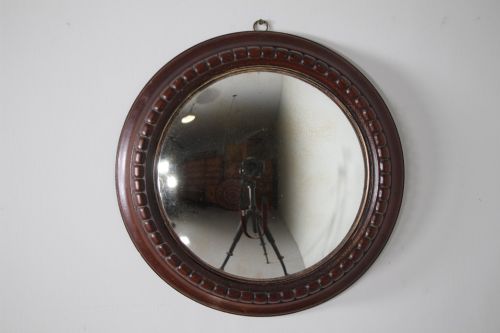
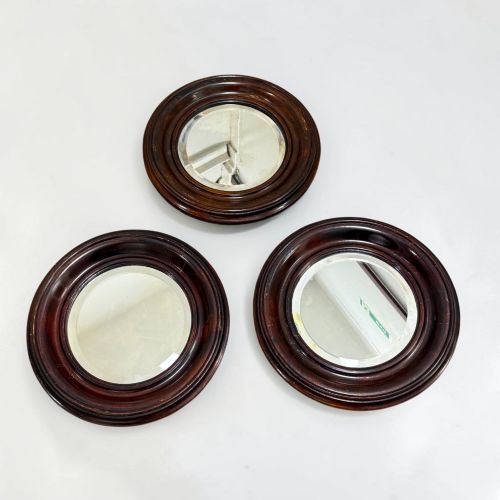
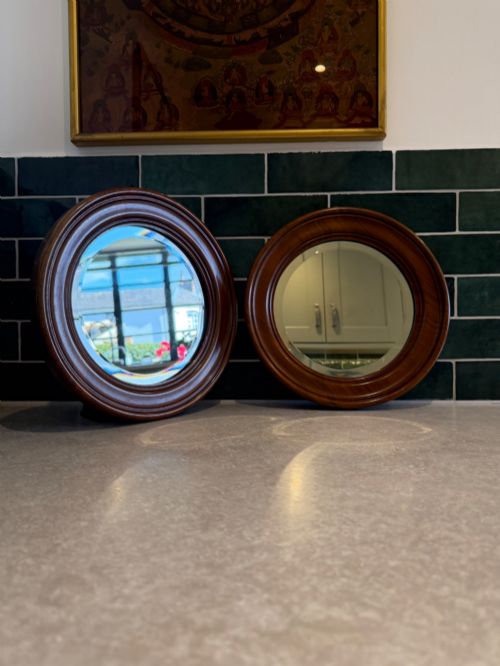
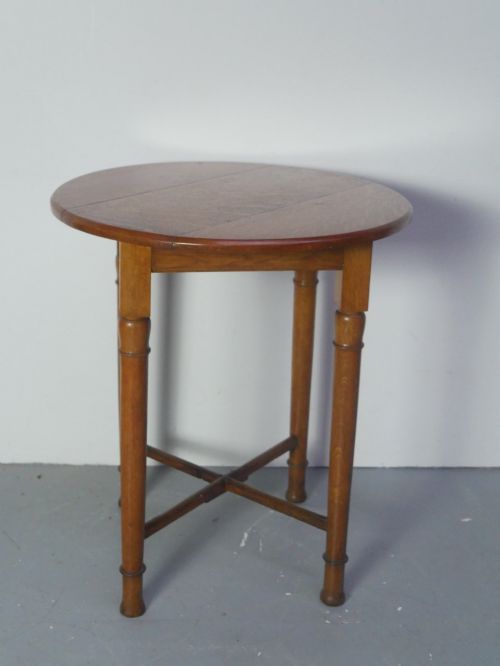
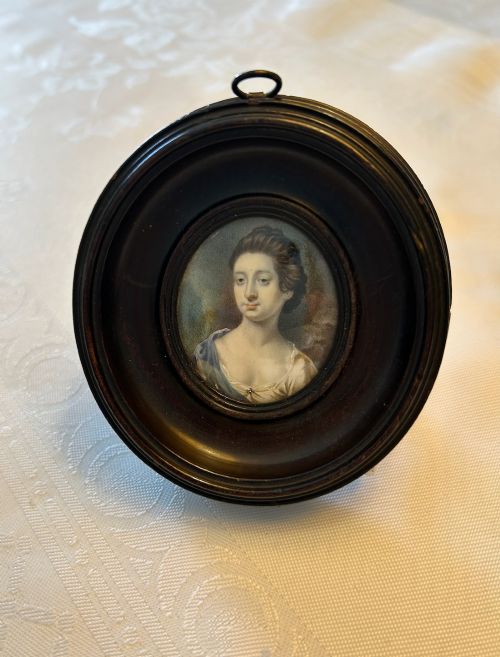
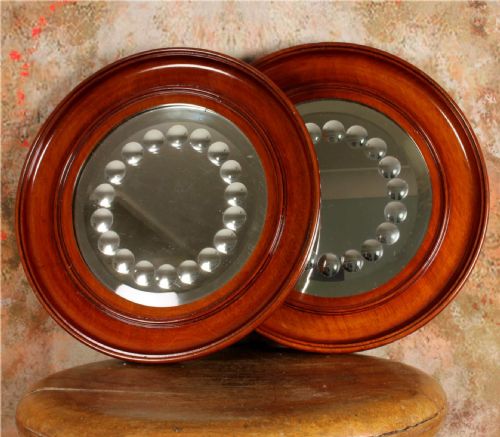
Mirrors form a large part of the offering, including convex and circular wall mirrors in mahogany, walnut, and oak. You also find occasional tables, footstools, and portraits set within circular or oval surrounds.
The periods range from Georgian and Victorian pieces through Edwardian examples to items from the 1920s and 1930s. Welsh country pieces and French Louis Philippe styles add regional variety to the timber frames.
How they were made
Makers utilised solid timbers such as mahogany, walnut, oak, and general wood, often pairing them with mirror glass, brass fittings, and occasional gesso details. Turning wood on a lathe allowed craftsmen to achieve precise circular profiles for mirror surrounds and clock housings.
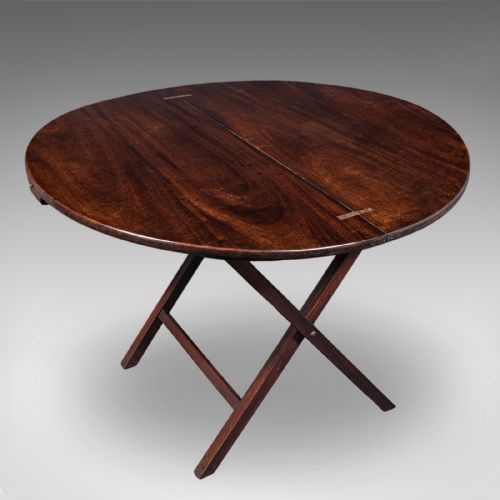
Construction techniques varied by object type, from the folding mechanisms of coaching tables to the carved frames of footstools and occasional tables. Surface finishes relied on traditional polishing to highlight the natural grain of the mahogany, walnut, or oak.
Round Wooden Frame Retail Price Guide 2026
Typical asking prices for round wooden frame among the pieces listed under this phrase on Sellingantiques today, from the lower quarter to the upper quarter. They describe what is for sale here now, not the wider market.
Victorian sorcerer's mirrors were once believed to ward off evil spirits while reflecting distorted domestic scenes.
What varies in quality
Quality rests in the crispness of the timber turning and the depth of the wood grain selected by the maker. Finer examples show thoughtful proportion in the frame width relative to the glass, dial, or panel it holds.
The integrity of the original joints in tables and the preservation of early mirror glass or clock movements distinguish higher tiers. Honest patination and minimal structural intervention keep a piece closer to its original state.
The Round Wooden Frame Glossary
- Convex mirror
- A curved mirror glass that reflects a wide, distorted field of view, frequently housed in a round frame. Also known historically as a witch's mirror or sorcerer's mirror.
- Dial clock
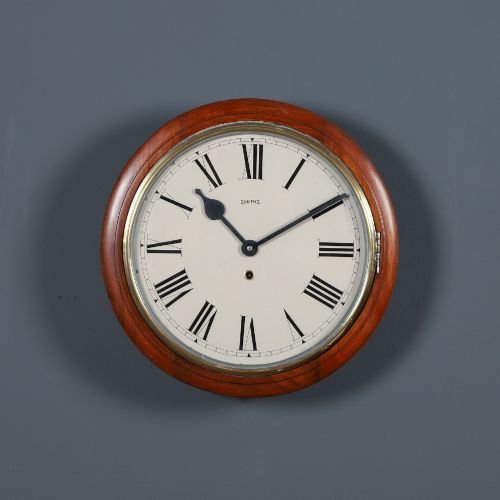
- A round-faced clock, often associated with railways, schools, or stations, featuring a timber surround designed for wall mounting. The movement sits protected behind a hinged bezel.
- Coaching table
- A portable occasional table with a folding wooden base, useful for flexible living spaces. These pieces often feature circular tops supported by collapsible cross-frames.
- Louis Philippe
- A French nineteenth-century style characterised by restrained curves and simple, elegant proportions. Frames from this period favour smooth wooden surfaces over heavy ornamentation.
- Gesso
- A plaster-based material applied to wood surfaces to create a smooth base for gilding or painting. It allows for crisp decorative moulding along the edge of a frame.
Round Wooden Frame: Frequently Asked Questions
How do I hang a heavy round mirror?
Ensure the wall fixing engages with solid brick or a secure stud rather than just plasterboard. Heavy timber frames require robust mirror plates and screws rated for the total weight.
Check that the hanging wire or cord on the back is original and strong enough to support the load safely before mounting.
Can these tables be used daily?
Occasional tables and coaching tables from the nineteenth and early twentieth centuries handle normal daily use well. Their folding frames and solid wood construction were built for practical service.
Treat antique timber surfaces with care by using coasters and avoiding excessive moisture or direct heat sources.
What is a convex mirror used for?
Convex mirrors were traditionally placed in rooms to allow the occupant to monitor a wider area from a single vantage point. The curved glass gathers light from across the entire space.
Today, they function primarily as decorative focal points that add depth and unusual perspective to a wall arrangement.
How do I date an oak frame?
Dating relies on observing construction marks, timber choice, and hardware such as backboards or screws. Earlier Georgian pieces often show hand-cut joinery, while Edwardian and later items employ more standardised manufacturing.
Comparing the style of the frame moulding to documented periods helps narrow down the decade of production.