



Round Wood Clock
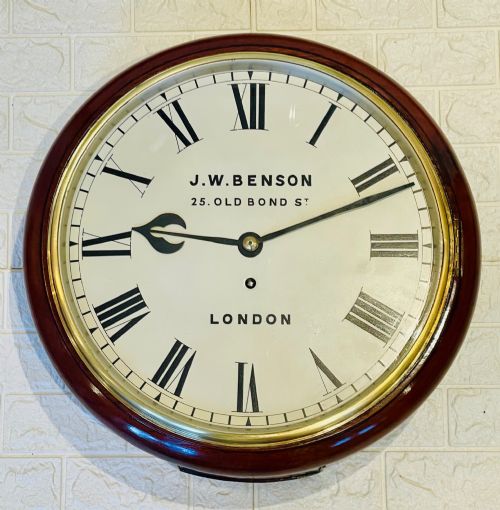
These round wood clock pieces range from nineteenth century mahogany wall dials to nineteen thirties station designs, offering reliable timekeeping and period character for any interior.
Round Wood Clock
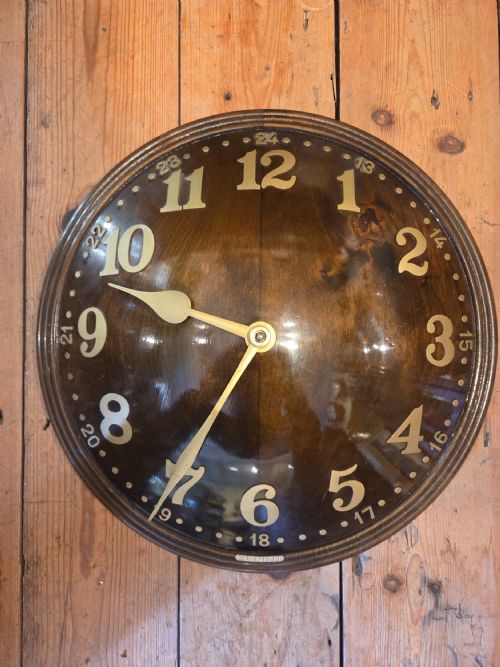
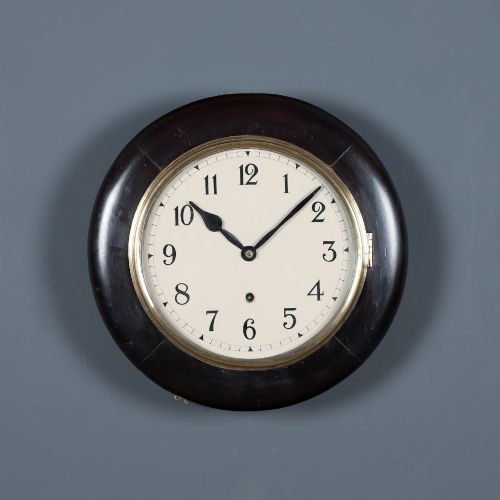
A round wood clock brings together traditional timekeeping forms and timber cases, spanning Victorian wall dials and nineteen thirties station designs. The listings show a strong presence of round mahogany dial wall clocks alongside longcase clocks and simpler timepieces.
Buyers meet pieces ranging from nineteenth century single fusee movements to nineteen fifties examples. Regional variations include Scottish longcase clocks and items bearing Japanese or Anglo Swiss markings from the early twentieth century.
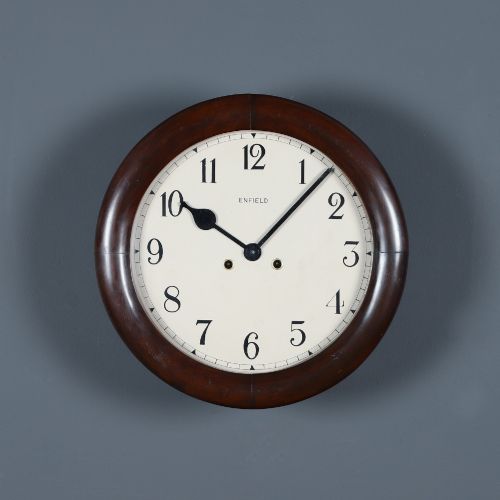
The dominant forms are wall clocks with station or school round dial designs, housed in timber surrounds of mahogany or walnut. These utilitarian and domestic pieces offer straightforward timber framing paired with clear dial layouts.
Materials and construction methods
Timber selection focuses on mahogany, flame mahogany, walnut and general wood, paired with protective glass fronts and brass bezels or fittings. Iron and other metals appear in the mechanical movements and structural components.
Movements span single fusee mechanisms, chiming systems and standard timepieces, housed behind glazed dial covers. Cabinetmakers shaped the round wooden surrounds to enclose these movements while maintaining clear visibility for the dial.
Round Wood Clock Retail Price Guide 2026
Typical asking prices for round wood clock among the pieces listed under this phrase on Sellingantiques today, from the lower quarter to the upper quarter. They describe what is for sale here now, not the wider market.
Listings feature mahogany, walnut, and flame mahogany timber cases housing glass, brass, and iron elements.
Judgements of quality and execution
Superior execution shows in the crispness of the timber turning and the depth of the mahogany or walnut grain. Fine timber cases exhibit careful joinery around the circular dial frame.
Movement sophistication distinguishes standard timepieces from single fusee mechanisms or specialised dials such as twenty four hour layouts. The integrity of the original dial face and the precision of the timber surround dictate the standing of a piece.
J W Benson·Zenith·Enfield·Whitelaw of Edinburgh·Anglo Swiss Watch Co·Trade S Mark Tokyo
The Round Wood Clock Glossary
- Fusee
- A conical pulley used in a clock movement to equalize the drive of the mainspring as it unwinds. This mechanism helps maintain consistent timekeeping accuracy.
- Dial clock
- A wall-mounted clock featuring a prominent circular face enclosed by a glass door and wooden surround. These were widely used in public spaces, schools and railways.
- Longcase clock
- A tall freestanding pendulum clock enclosed in a wooden case resting on the floor. These house weight-driven movements behind a protective door.
- Timepiece
- A clock that indicates the time without striking or chiming hours. It relies on a basic movement dedicated solely to motion.
Round Wood Clock: Frequently Asked Questions
How do I date a round wood clock?
Dating relies on examining the timber species, the construction of the wooden case, and the style of the numerals on the dial. Victorian and nineteen thirties station clocks show distinct framing methods.
Movements also provide clues, as fusee mechanisms and later spring-driven calibres correspond to different manufacturing eras.
What is a single fusee movement?
A single fusee movement uses a conical drum to regulate the pull of the mainspring, ensuring even power delivery to the gear train. This improves timekeeping consistency throughout the running period.
Such movements are typically found in better quality nineteenth century wall clocks.
How do I care for a mahogany wall clock?
Position the clock away from direct sunlight, dampness, and sudden temperature fluctuations to protect the mahogany case and timber joints. Regular gentle dusting preserves the surface sheen of the wood.
Mechanical movements require periodic professional servicing to ensure proper lubrication and timekeeping function.