




Round Walnut Stand
A round walnut stand serves as a compact table for lamps, wine or tea, bringing rich timber grain into small spaces.
Round Walnut Stand
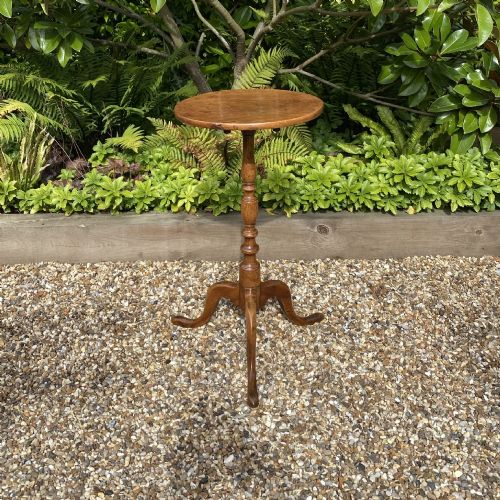
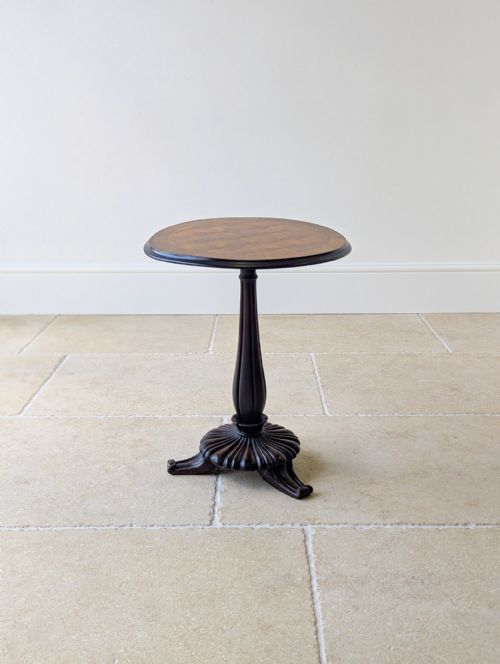
When you search for a round walnut stand, you are looking at small tables designed to hold lamps, wine glasses or afternoon tea within easy reach of a chair or sofa. The examples on this page span several centuries, reaching from the eighteenth century through the Victorian era into the early twentieth century.
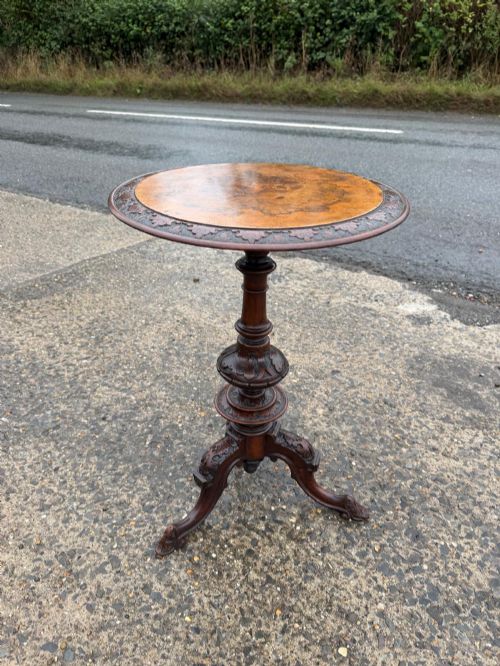
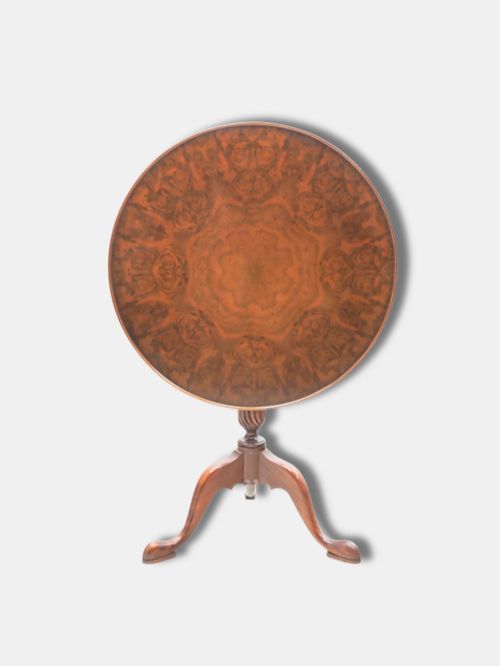
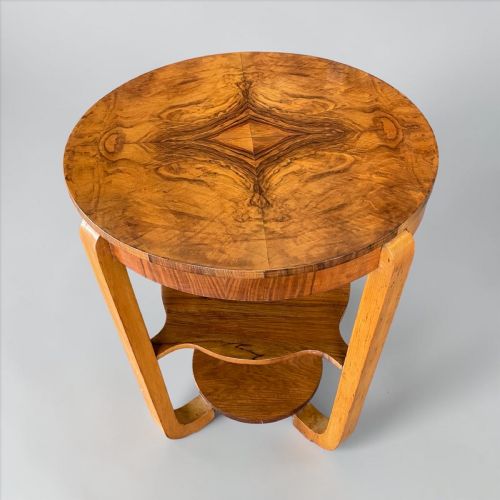
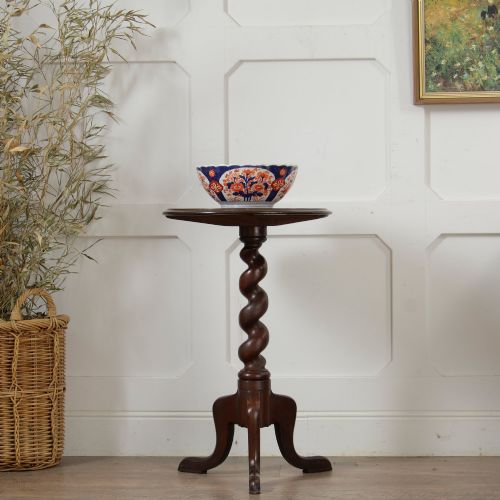
You are most likely to meet pedestal forms supported by tripod legs, often configured as wine tables, lamp tables or occasional tables. These pieces utilise circular tops of solid timber or veneer, occasionally accented with marquetry inlay or burr wood figuring.
The origins of these stands vary across English and French workshops, encompassing George II, William IV, Regency, Victorian and Art Deco styles. Some retain simple turned columns, while others display barley twist pedestals or French Empire influences.
How they were made
Cabinetmakers constructed these stands primarily using walnut and mahogany, frequently applying burr walnut veneer to the circular top surfaces to accentuate the natural grain patterns. Subsidiary woods provided stable internal framing for the pedestals and tripod legs.
Round Walnut Stand Retail Price Guide 2026
Typical asking prices for round walnut stand among the pieces listed under this phrase on Sellingantiques today, from the lower quarter to the upper quarter. They describe what is for sale here now, not the wider market.
Listings feature periods from the 18th century through the Victorian era to the 1930s, using walnut, mahogany, brass and rosewood.
What varies in quality
Quality in these tables depends heavily on the selection of the timber and the skill of the veneer work on the circular top. Finer examples display striking burr walnut figuring or precise marquetry inlay that commands attention without overwhelming the proportion of the piece.
Structural integrity of the central pedestal and the joints where the tripod legs meet the shaft separates superior pieces from standard ones. A well-executed stand remains rigid and balanced, maintaining its poise across decades of daily use.
The Round Walnut Stand Glossary
- Tripod table
- A small freestanding table supported by a central pillar resting on three legs. This construction prevents wobbling on uneven floors.
- Burr walnut veneer
- A thin slice of figured walnut timber taken from a tree growth, glued to a stable core. It displays swirling, organic patterns across the tabletop.
- Wine table
- A compact occasional table originally intended for holding glasses or decanters during evening gatherings. These pieces usually feature a circular top at convenient hand height.
- Marquetry inlay
- The art of applying pieces of veneer to a structural surface to form decorative patterns or pictures. Craftsmen use contrasting woods to create visual depth.
Round Walnut Stand: Frequently Asked Questions
What is a round walnut stand used for?
These pieces function primarily as small side tables, lamp tables or wine tables positioned beside seating. Their compact circular tops provide a convenient surface for books, drinks or lighting without dominating a room.
Historically, similar tables served specific domestic duties during afternoon tea or evening social gatherings. Today, they easily adapt to modern living spaces as versatile accent pieces.
How do I date a walnut stand?
Dating relies on examining the construction methods, leg design and secondary timbers used beneath the surface. Stylistic cues such as George II cabriole legs, Victorian barley twists or Art Deco geometric lines offer clear chronological markers.
Wear patterns and the type of finish applied to the timber also help indicate the age of the piece. Comparing the turning style against known period examples confirms the era of manufacture.
How do I care for walnut veneer?
Maintain walnut surfaces by dusting gently with a soft cloth and avoiding harsh chemical polishes or excessive moisture. Keeping the timber away from direct sunlight and heat sources prevents the veneer from drying out or cracking.
Occasional application of appropriate wax feeds the wood and preserves the lustre of the grain. Gentle handling ensures the delicate surface remains protected for years.