



Round Plant Table
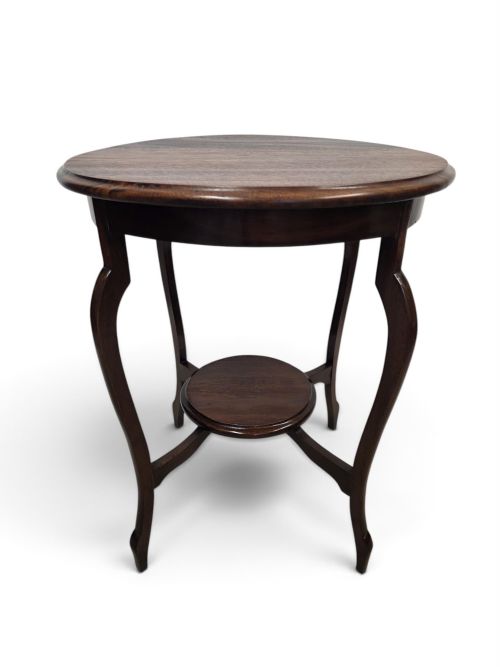
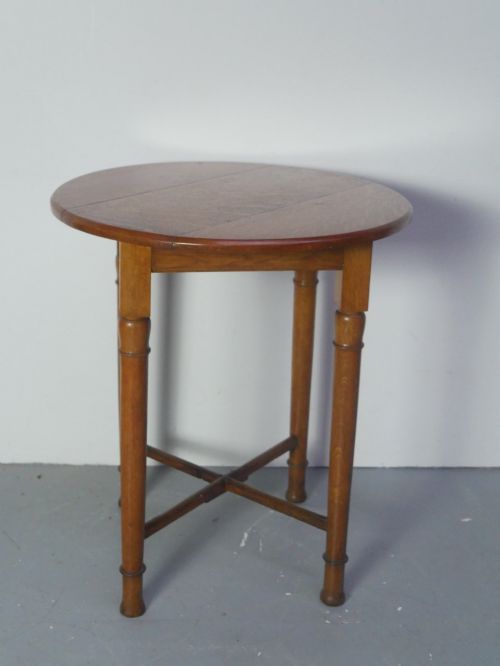
A round plant table brings compact circular form and elevated greenery into a room, spanning Victorian, Edwardian, and later periods.
Round Plant Table
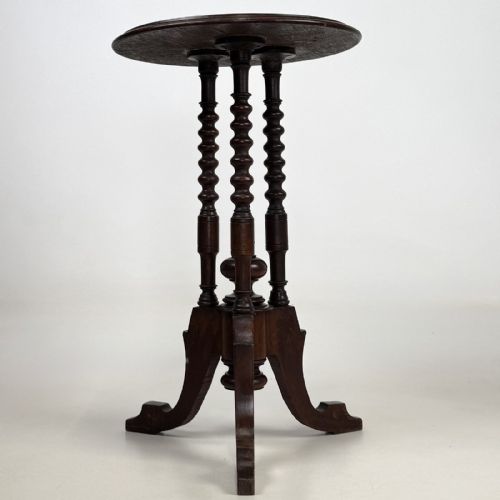
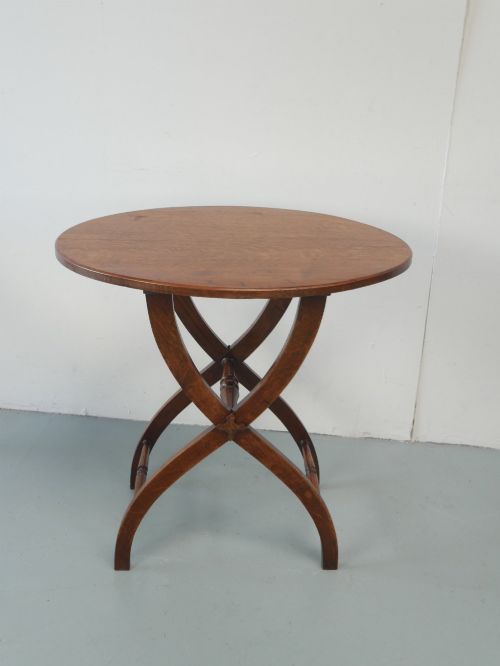
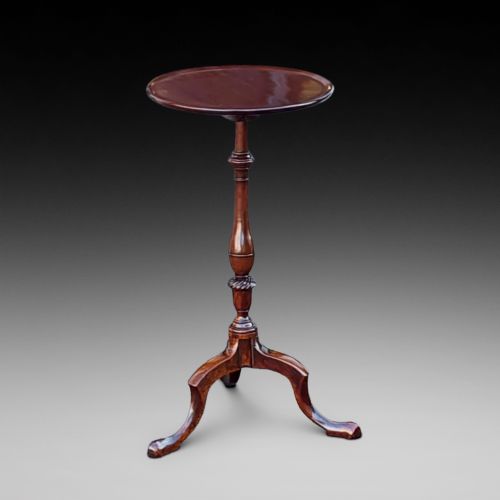
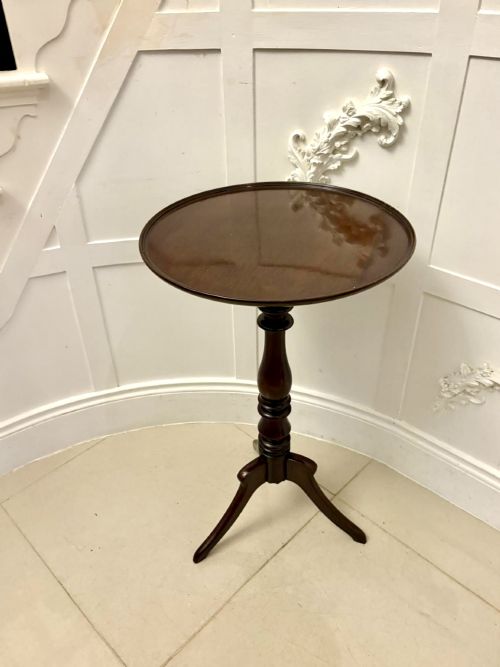
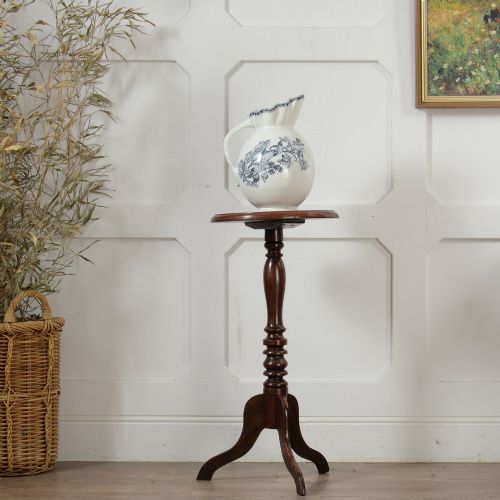
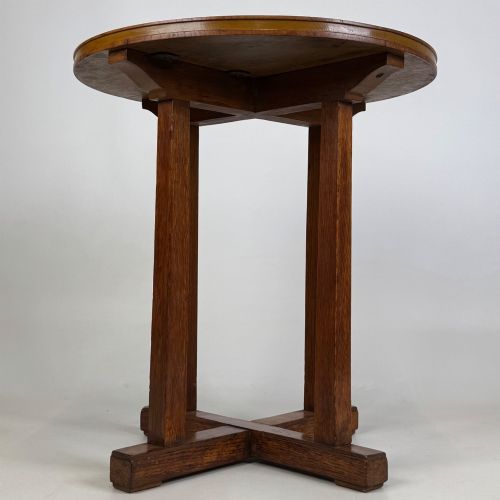
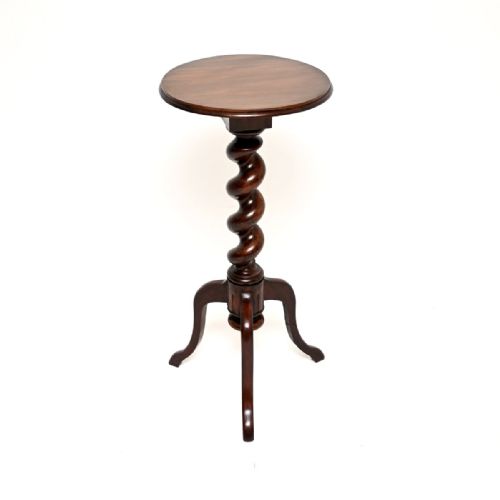
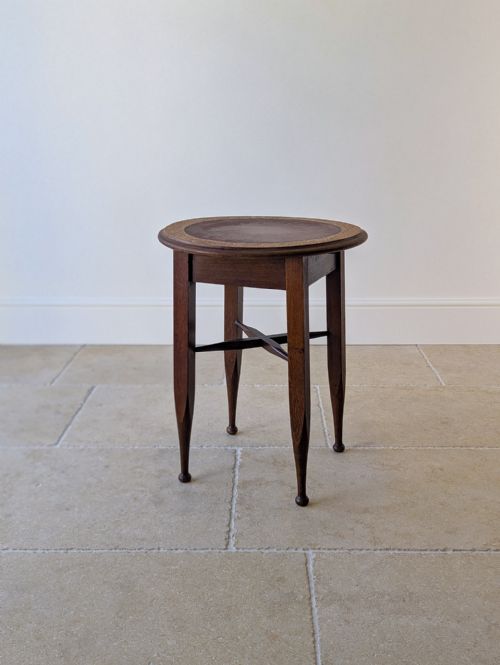
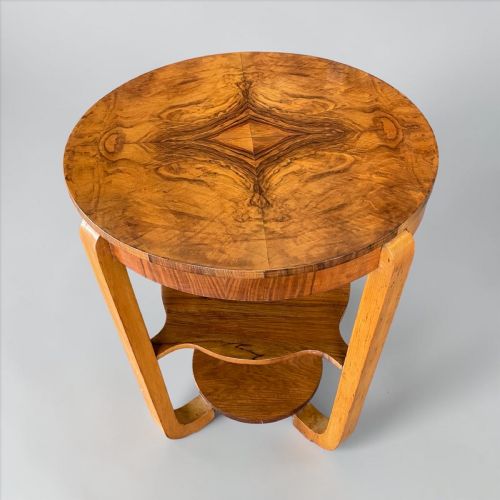
When searching for a round plant table, you encounter a varied selection of small circular stands designed to hold plants, lamps, or decorative objects. These pieces appear most frequently in mahogany, oak, and walnut, often taking the form of tripod tables, pedestal wine tables, or low occasional stands.
The inventory spans multiple eras, with Victorian and Edwardian examples sitting alongside 1920s designs and occasional French Empire or Chinese imports. Such tables function flexibly in domestic spaces as side tables, vase stands, or dedicated plant holders.
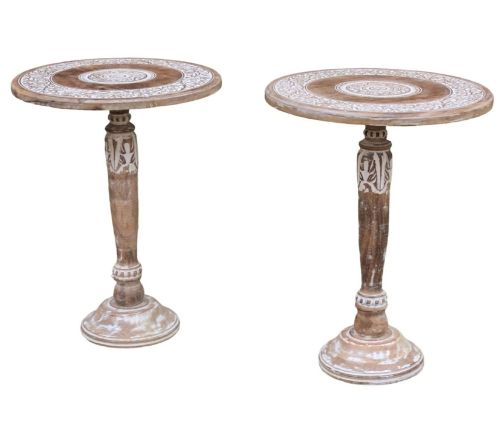
The form adapts to diverse stylistic influences, incorporating elements from Arts and Crafts simplicity to elaborate French or Anglo-Indian carving. Each piece uses a compact circular top supported by sturdy pedestals, tripod legs, or column supports.
How they were made
Cabinetmakers utilised solid timbers such as mahogany, oak, walnut, and teak, frequently shaping tops into circular discs or dish forms. Turning techniques produced slender barley twist stems and robust central pedestals for tripod bases.
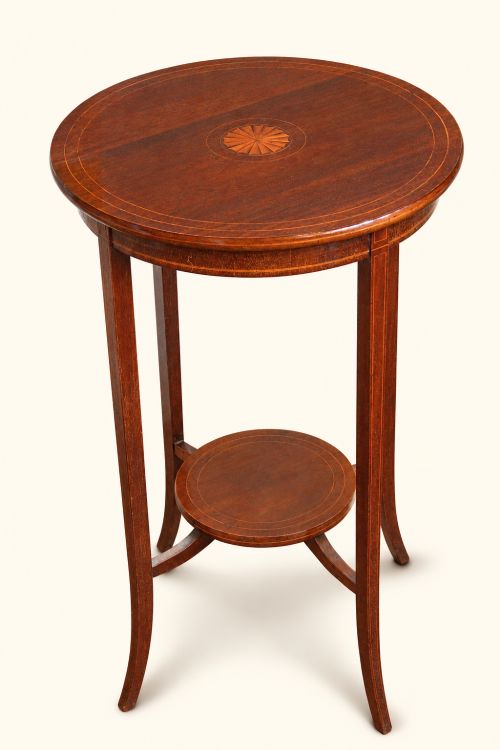
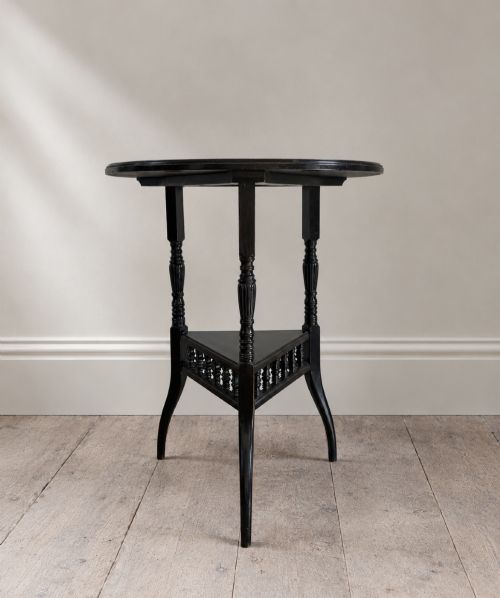
Decorative surfaces incorporated contrasting materials, including inset marble slabs, onyx tops, brass mounts, and delicate inlaid satinwood strings. Ebonised finishes and gilt wood treatments appeared alongside carved motifs and canework details on continental and revival pieces.
Round Plant Table Retail Price Guide 2026
Typical asking prices for round plant table among the pieces listed under this phrase on Sellingantiques today, from the lower quarter to the upper quarter. They describe what is for sale here now, not the wider market.
What varies in quality
The distinction between standard utility items and finer examples rests upon the selection of timber and the precision of the joinery. Superior pieces display well-figured mahogany or quarter-sawn oak with tight, stable joints in the pedestal and leg connections.
Decorative ambition separates basic production from master craftsmanship, evident in crisp hand-carving, well-fitted marble or onyx inserts, and restrained brass or ormolu mounts. The harmony of proportions between the circular top and the supporting base ultimately defines the visual success of the piece.
The Round Plant Table Glossary
- Tripod table
- A small circular table supported by three legs radiating from a central pillar. This construction provides stable footing on uneven floors.
- Wine table
- A compact occasional table traditionally used for holding drinking vessels. They typically feature a circular top on a turned pedestal base.
- Gueridon
- A small French occasional table or stand, often round and raised on a column or figural support. These frequently incorporate marble tops or gilt bronze mounts.
- Barley twist
- A type of turning resembling a rope wound around a cylinder. This decorative technique appears frequently on the stems of Victorian and Edwardian tables.
- Inlay
- A method of ornamenting a wooden surface by embedding pieces of contrasting wood, brass, or shell into recesses. Satinwood and lighter veneers are commonly utilised for geometric or floral patterns.
Round Plant Table: Frequently Asked Questions
What is a round plant table used for?
These versatile stands serve primarily to elevate potted plants, vases, or small sculptures within a room. Their compact circular tops also make them practical as lamp tables or bedside supports.
Historically, similar small tables functioned as wine or tea tables before evolving into decorative stands for domestic greenery and ornaments.
How do I identify a Victorian plant table?
Victorian examples frequently utilise solid mahogany or walnut, often featuring turned barley twist pedestals or robust tripod legs. The joinery is typically traditional, showing hand-finished elements and dense timber weights.
Comparing the turned details and wood patination against standard Edwardian or later 1920s pieces helps clarify the production period.
Where should I place a round plant table at home?
Their compact circular footprint allows these tables to fit neatly into corners, beside armchairs, or in narrow window bays where natural light benefits plants. They provide functional surface space without dominating the room.
Ensure the weight of larger ceramic pots aligns with the stability of the central pedestal and leg span.
What materials are common on these tables?
Mahogany, oak, and walnut form the primary wooden structures across most periods. Many variations incorporate inset marble, onyx, or tiled tops to resist water damage from potted plants.
Decorative accents range from brass mounts and carved teak to delicate inlaid satinwood stringing on Edwardian and revival pieces.