

Round Marble Pedestals
Round marble pedestals gather circular stone tops upon central pillars, offering sturdy surfaces for lamps, plants and displays.
Round Marble Pedestals
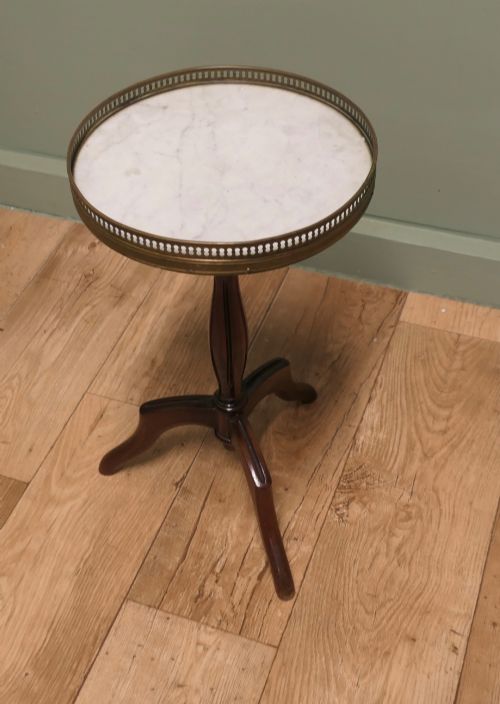
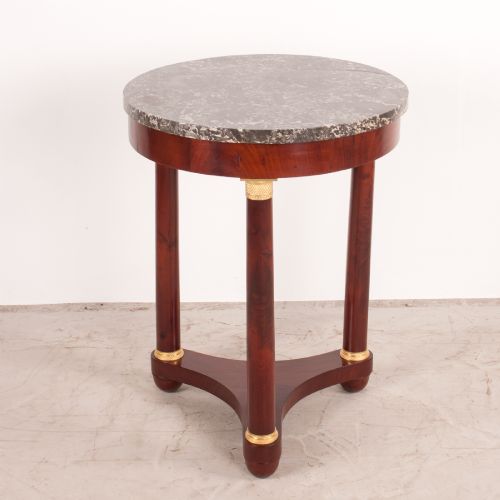
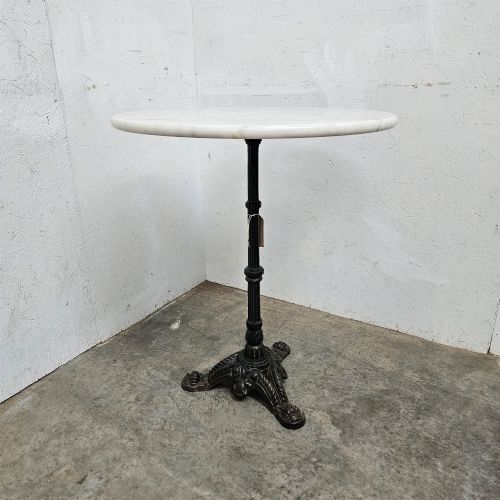
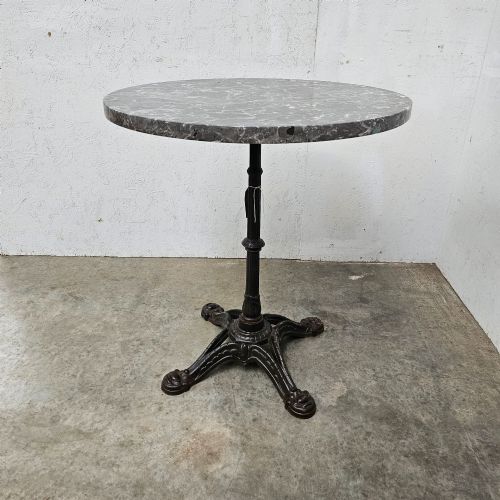
Round marble pedestals encompass freestanding circular tables supported by central columns, frequently referred to as guéridons, centre tables, or plant stands in the listings. These pieces serve practical and decorative functions across domestic spaces, functioning as lamp tables, breakfast surfaces, or display plinths.
The selections predominantly date from the nineteenth century, with strong representation from French workshops and Regency periods alongside later cafe and bistro examples. Buyers encounter formats ranging from small occasional tables to larger centre tables featuring inset stone slabs.
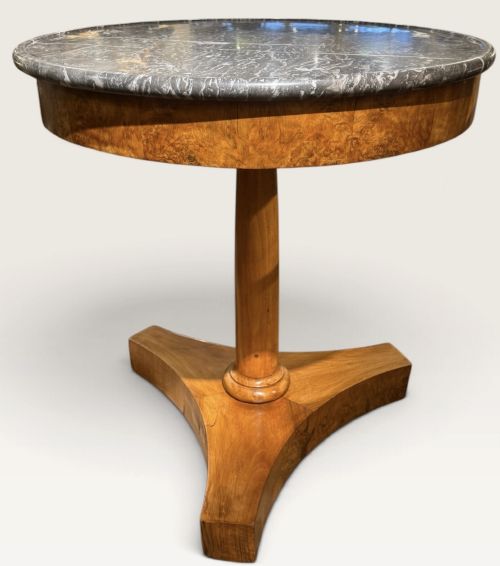
Timbers such as mahogany, walnut, and burr elm frequently form the underframes, paired with heavy cast iron or giltwood supports depending on the intended setting of the piece.
How they were made
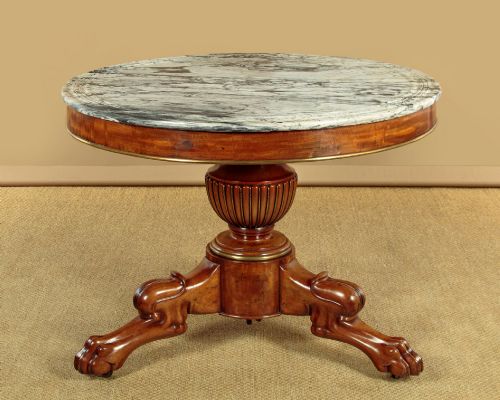
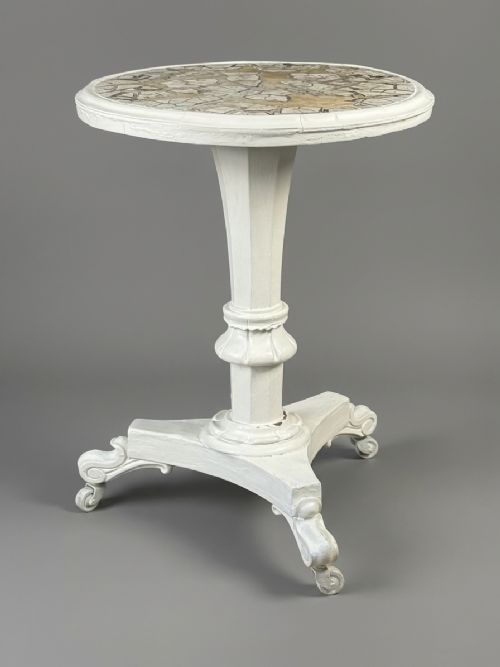
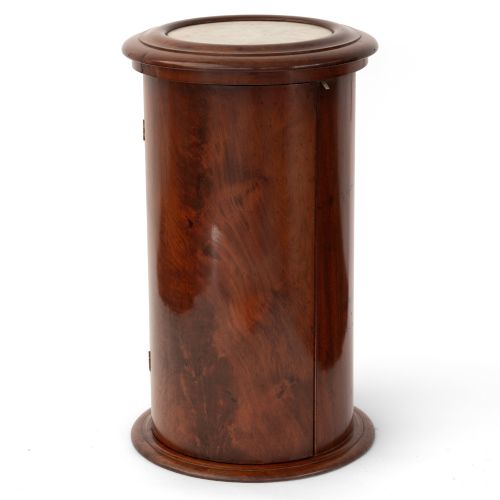
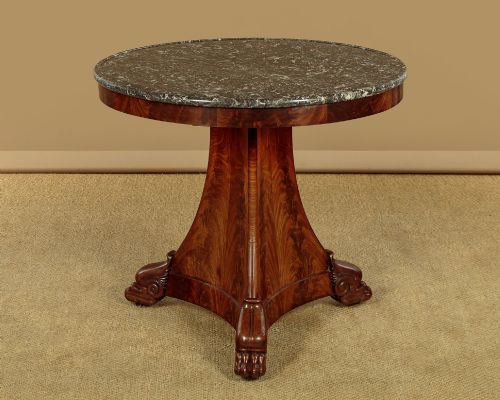
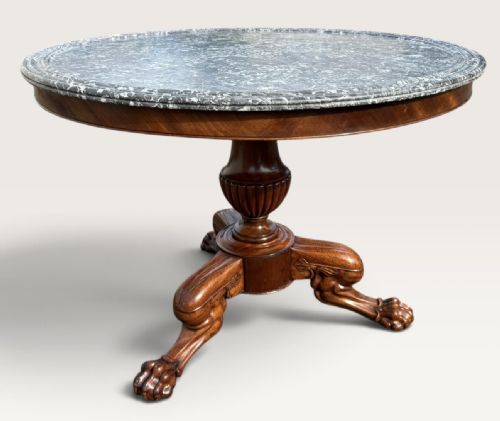
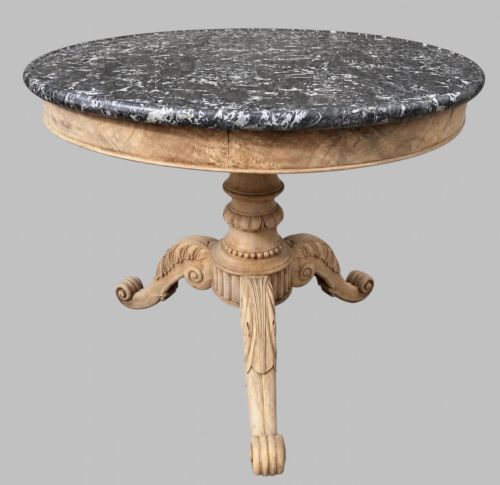
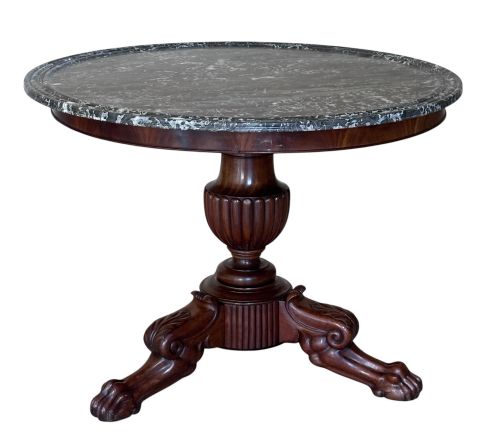
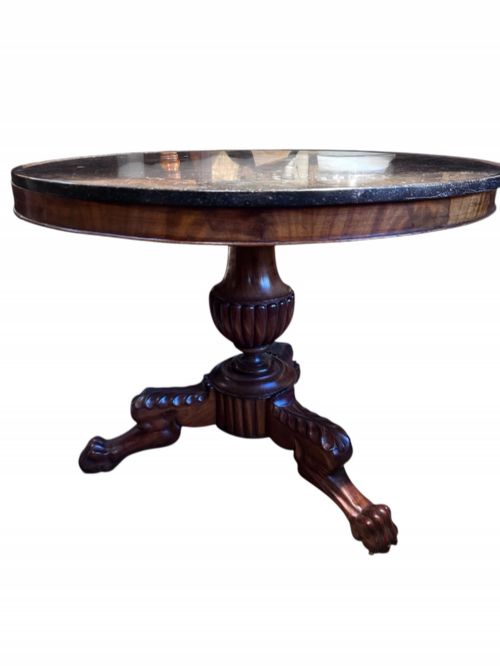
Construction relies heavily on the combination of dense natural stone tops set into robust wooden or metal frames. Marble slabs, including specimen varieties and solid green stone, rest upon turned pillars of mahogany, walnut, or painted softwood.
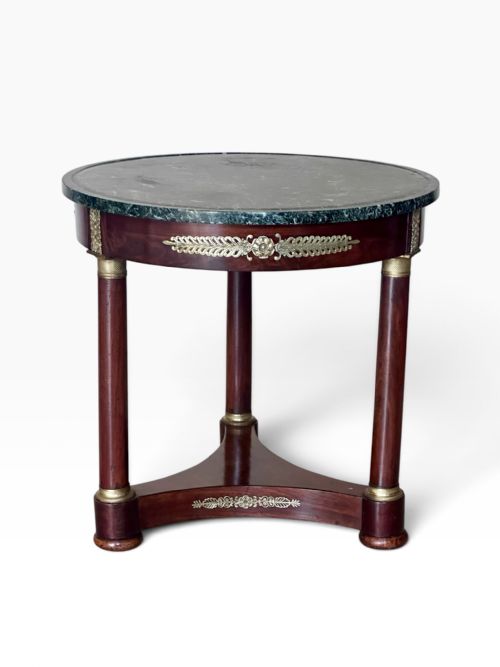
Joinery methods reflect traditional cabinet-making practices, utilising central pedestals that branch into tripod or quadruped feet for stability. Ormolu mounts, brass details, and cast iron bases appear on specific French and bistro variations, adding structural weight and decorative contrast to the timber and stone elements.
Round Marble Pedestals Retail Price Guide 2026
Typical asking prices for round marble pedestals among the pieces listed under this phrase on Sellingantiques today, from the lower quarter to the upper quarter. They describe what is for sale here now, not the wider market.
Listings span the nineteenth and early twentieth centuries, featuring French Empire, Regency, and Art Deco design movements alongside utilitarian cafe forms.
What varies in quality
The distinction between standard examples and finer items rests upon the choice of materials and the sophistication of the carving. Figured veneers such as flame mahogany or burr elm, paired with intricate ormolu mounts and rams head details, separate ambitious cabinet work from utility cafe furniture.
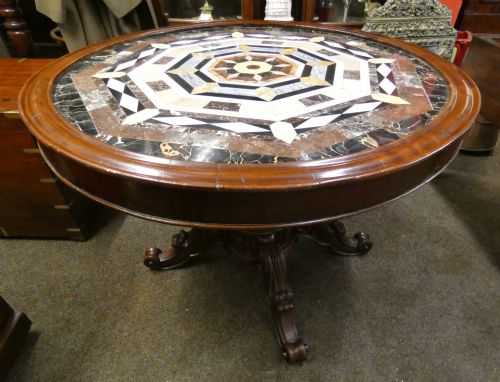
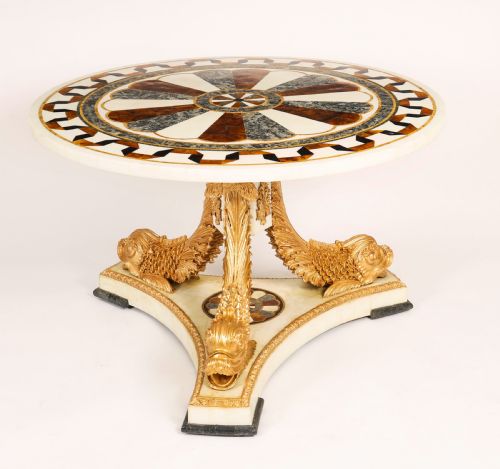
The composition of the stone top dictates much of the visual character, where multi-coloured specimen marbles or finely fitted stone discs demonstrate superior craftsmanship compared to plain utility slabs.
Woodley family
The Round Marble Pedestals Glossary
- Guéridon
- A small French round table, typically supported by a single central pillar. These tables originated in the seventeenth century and remain a primary form within nineteenth-century listings.
- Ormolu
- Gilded bronze or brass mounts applied to furniture for decorative effect. French Empire pieces frequently utilise this technique on columns and bases.
- Specimen marble
- A top assembled from multiple varieties of coloured marble arranged in geometric patterns. Such tops indicate high-status nineteenth-century production.
- Canework
- Woven cane material utilised for lower shelves or tiers on specific occasional tables. It provides textural contrast to the smooth stone top above.
Round Marble Pedestals: Frequently Asked Questions
What is a guéridon table?
A guéridon is a traditional French round table supported by a central pillar, designed originally for holding lighting or decorative objects.
In modern interiors, these pieces function effectively as compact centre tables, side tables, or plant stands.
How do I style a marble top table?
Marble top tables provide a durable, wipe-clean surface suitable for lamps, books, or decorative vessels. The cool stone top creates a visual focal point in hallways, reception rooms, or conservatories.
Pairing the stone with softer textiles nearby balances the hardness of the material.
Are these tables heavy?
The inclusion of solid stone tops and central pillars means these tables carry considerable weight, particularly examples with cast iron or dense hardwood bases.
This mass provides stability, preventing the tables from tipping easily when used for lamps or displays.