





Round Gold Photo Locket
A round gold photo locket carries miniature portraits close to the heart, offering wearable sentiment in precious metal.
Round Gold Photo Locket
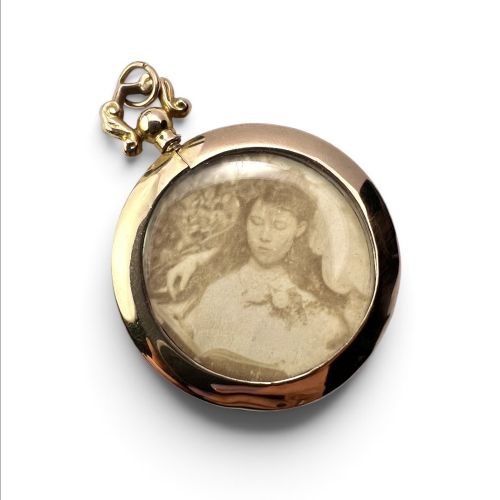
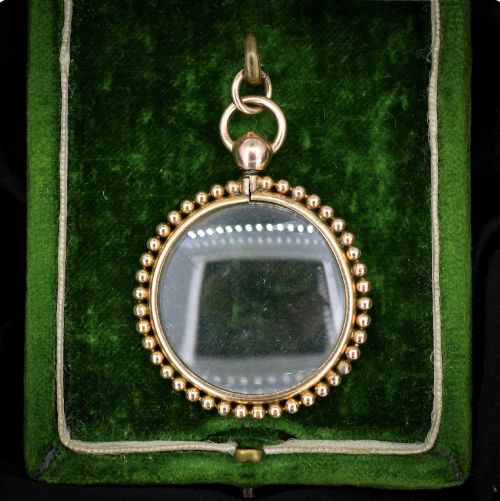
A round gold photo locket is a hinged pendant designed to hold tiny likenesses of loved ones inside a precious metal case. When you search for a round gold photo locket, you encounter items shaped as circular pendants intended for chains or necklaces.
The selections span multiple eras, encompassing Victorian, Edwardian, and Georgian periods alongside mid-twentieth-century examples. You will frequently find pieces designated as locket pendants or photograph lockets amongst the current options.
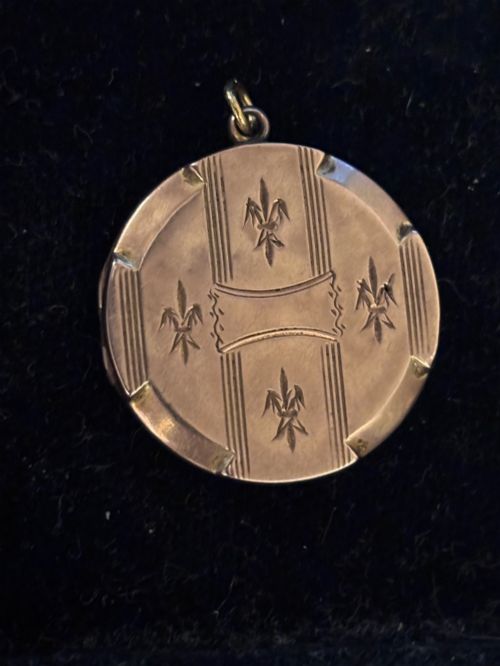
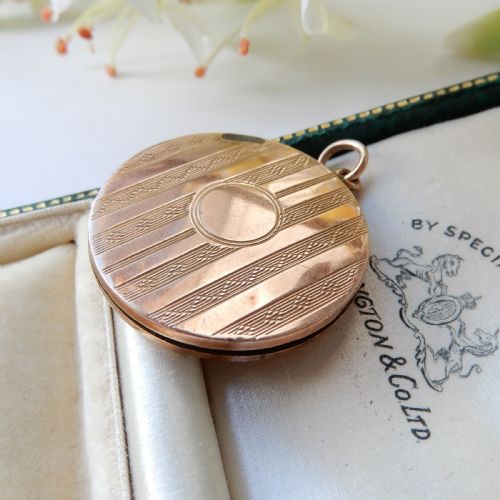
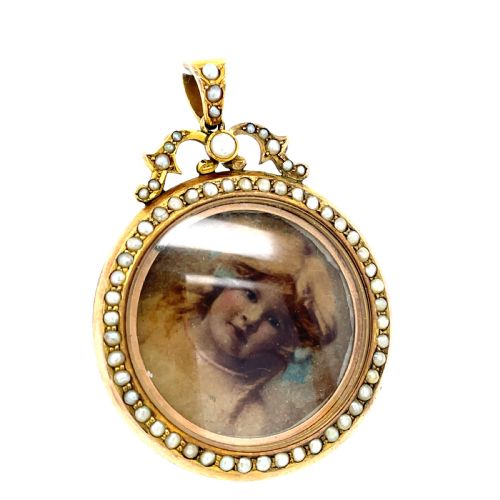
Materials vary from solid 9ct and 15ct yellow gold to gold back and front constructions, occasionally incorporating silver elements, glass panels, and seed pearls. Forms range from simple plain polishes to engraved floral baskets, swallow birds, and engine-turned surface patterns.
How they were made
Goldsmiths constructed these circular vessels primarily using yellow gold, 9ct gold, and 15ct yellow gold, sometimes employing gold back and front techniques to bond precious metal over a base core. Engine-turned detail and hand engraving decorated the exterior casings through precise mechanical turning and manual cutting.
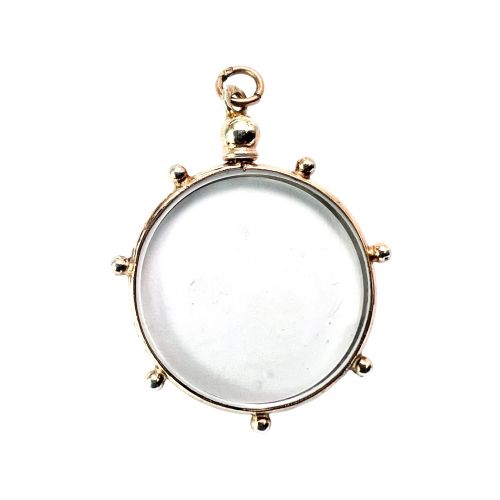
Makers integrated glass covers and glass top screw mechanisms to protect the miniature photographs housed within. Internal frames, hinges, and bezels secure the portraits, while seed pearls and applied motifs occasionally embellish the exterior surfaces.
Round Gold Photo Locket Retail Price Guide 2026
Typical asking prices for round gold photo locket among the pieces listed under this phrase on Sellingantiques today, from the lower quarter to the upper quarter. They describe what is for sale here now, not the wider market.
Listings feature items from the Georgian, Victorian, and Edwardian periods, utilising 9ct gold, 15ct yellow gold, and gold back and front.
What varies in quality
The calibre of a round gold photo locket rests on the weight and purity of the gold utilised, moving from gold back and front constructions up to solid 15ct yellow gold pieces. Finer items demonstrate crispness in engine-turned detail and deeply cut hand engravings like flower baskets and swallow birds.
The integrity of the hinge, the secure closure of the snap, and the preservation of original internal glass bezels distinguish superior examples. Pieces that retain delicate applied seed pearls or double-sided glass photo frames represent higher tiers of craftsmanship.
The Round Gold Photo Locket Glossary
- Gold Back and Front
- A method of construction where thin sheets of gold are applied to a base metal core for strength and economy. This technique was common in Victorian and Edwardian jewellery production.
- Engine Turned
- A decorative pattern of precise geometric lines mechanically etched into the metal surface using a rose engine lathe. Georgian and Victorian makers utilised this to catch the light.
- Seed Pearl
- A very small natural or saltwater pearl, often graded and set closely together. Edwardian makers frequently used them to border photographic viewing windows.
- Glass Top Screw Locket
- A locket design featuring a threaded bezel that holds a glass cover in place over the photograph. This allows secure access to the internal portrait space.
Round Gold Photo Locket: Frequently Asked Questions
How do I open a locket?
Most circular lockets feature a small thumbnail notch along the side opposite the hinge. Gently prying this seam with a fingernail or thin tool releases the snap.
Take care not to force hinged joints that have stiffened with age, as excessive pressure can distort the gold casing.
Can I insert my own photographs?
Yes, these pendants were specifically designed to hold miniature portraits of family members or friends. Many retain their original internal metal rims or frames to hold paper cuttings in place.
Trim your photograph carefully to match the circular interior before sliding it beneath the glass or retaining bezel.
What does gold back and front mean?
This terminology indicates that the exterior front and back plates are formed of solid gold, while the internal rims and structural hinge components consist of a different supportive metal.
It allowed makers to produce visually impressive pieces with the wear resistance of gold while reducing the overall weight and cost.
How do I date a piece?
Dating relies on stylistic clues such as the presence of engine turning typical of the Georgian period, or the delicate seed pearl work characteristic of Edwardian designs. Inscriptions, maker marks, and the specific form of the suspension loop also provide chronological markers.
Comparing the manufacturing technique against known period examples helps narrow the decade of origin.