






Round End Table
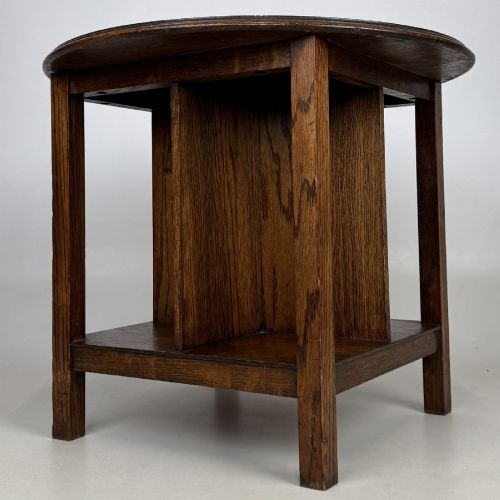
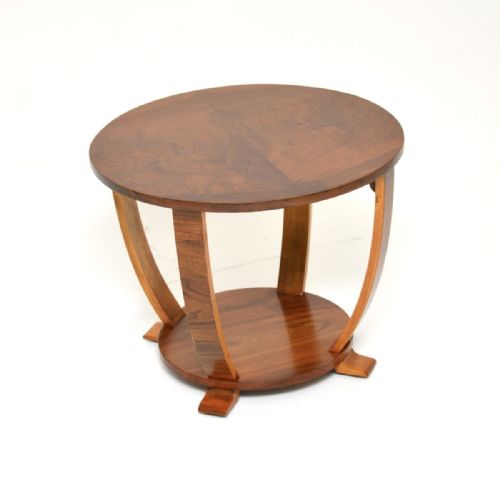
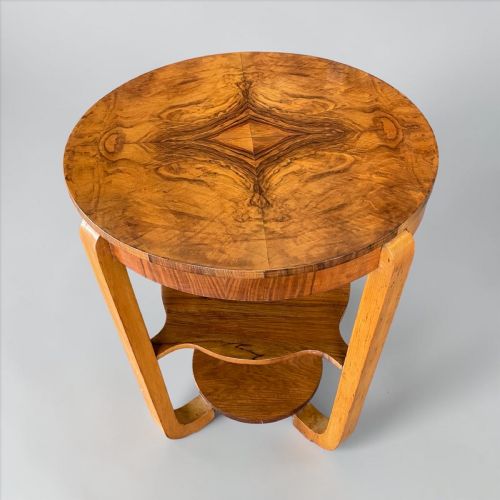
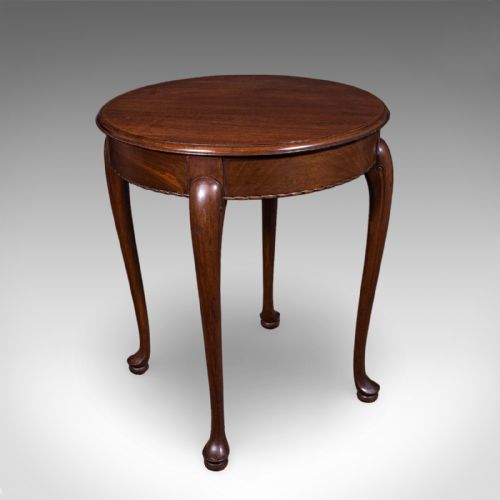
A round end table brings a neat surface to a corner or beside a chair, appearing in styles from Edwardian mahogany to Art Deco walnut.
Round End Table
A round end table serves primarily as a compact surface for lamps, drinks or small objects in sitting rooms and bedrooms. These pieces appear under various designations such as occasional tables, lamp tables, bedside tables and coffee tables. Buyers exploring round end tables encounter diverse forms designed to sit beside seating or against walls.
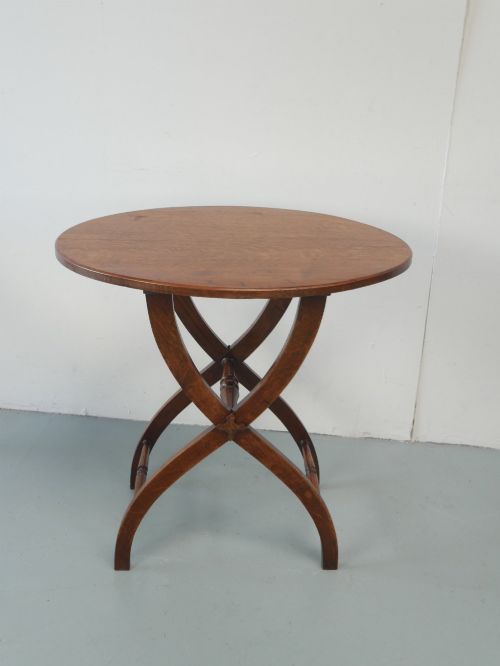
The selection on this page spans several distinct periods, reaching from the nineteenth century through the Edwardian era and into the 1930s. Common structural formats include tripod bases, pedestal supports and folding frames. Woods such as mahogany, walnut and oak predominate, frequently complemented by marble, brass or glass inserts.
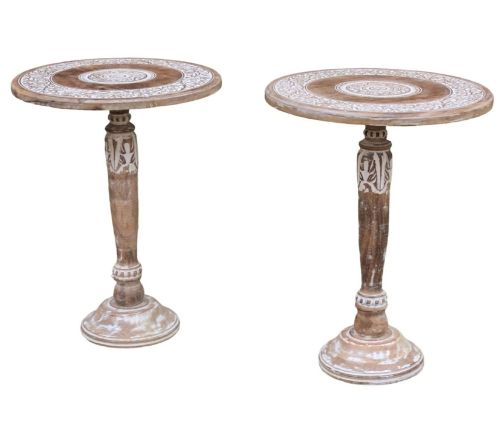
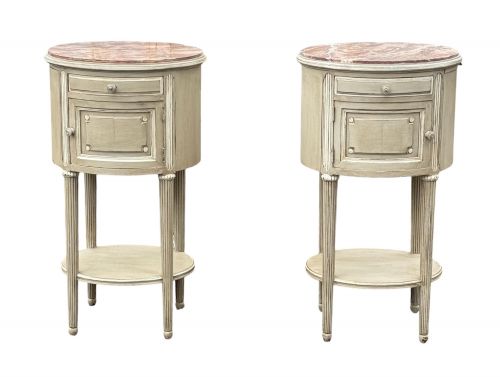
Origins stretch across British, French, Italian, Spanish, Indian and Burmese workshops, bringing varied regional decorative traditions to light. Regional interpretations range from rustic country cricket tables to polished Art Deco geometric designs and Louis XVI style pieces. This variety ensures a suitable match for different interior schemes.
How they were made
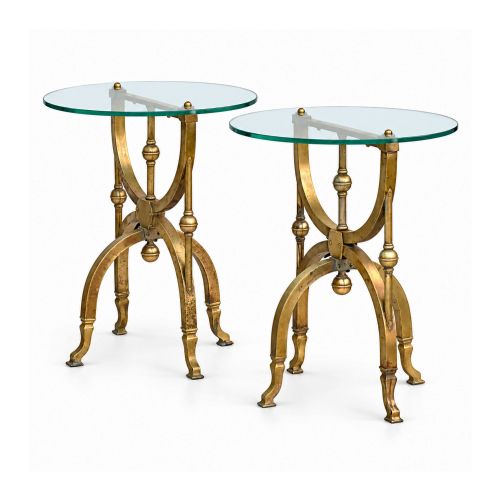
Cabinet makers utilised a range of solid timbers and figured veneers, selecting mahogany, walnut, oak, satinwood and yew wood for strength and visual grain patterns. Surfaces frequently display marquetry inlay, hand painting or polished finishes that accentuate the natural character of the wood. Metal elements such as brass and chrome appear in mounts, frames and structural supports.
Construction techniques include traditional joinery, carved detailing, turned pedestals and tripod legs designed to balance the circular top securely. Marble tops inset into timber frames provide durable, cool surfaces particularly suited to lamp or bedside use. Folding mechanisms and multi-tiered designs demonstrate functional ingenuity within compact footprints.
Round End Table Retail Price Guide 2026
Typical asking prices for round end table among the pieces listed under this phrase on Sellingantiques today, from the lower quarter to the upper quarter. They describe what is for sale here now, not the wider market.
A sturdy butchers block finds itself rubbing shoulders with elegant satinwood lamp tables and folding oriental stands.
What varies in quality
The distinction between standard examples and exceptional pieces rests on the choice of timber and the precision of decorative work. Finely figured veneers such as burr walnut, birds eye maple and rosewood elevate the visual presence of Art Deco and Edwardian designs. Subtle marquetry inlay, hand-painted details and crisp carving indicate higher workshop standards.
Structural integrity depends on the tightness of joints, the stability of tripod or pedestal bases and the selection of secondary woods. Pieces incorporating unusual materials like white marble, brass framing or specialised glass demonstrate greater ambition in design. The harmony between proportion, material selection and decorative restraint defines the finer examples.
Waring and Gillow
The Round End Table Glossary
- Occasional table
- A small, movable table intended for intermittent use in a sitting room or hallway. These pieces often serve as lamp stands or display surfaces.
- Gueridon
- A small French round table, typically supported by a central pillar or three legs. The form originated in the seventeenth century and remained popular through later periods.
- Cricket table
- A small, round wooden table featuring three splayed legs and typically a triangular underframe for stability. This rustic form traditionally stood on uneven stone floors.
- Marquetry
- The art of applying decorative veneer pieces to a structure to form intricate patterns or pictures. Craftsmen use various coloured woods to achieve tonal depth.
Round End Table: Frequently Asked Questions
Where should I place a round end table?
A round table fits neatly beside a sofa, armchair or bed where a square table might jut into a walkway. Its curved edge softens room geometry and provides a convenient surface for a lamp or book.
In larger spaces, these pieces can stand independently in corners or hallways to display decorative objects or plants. Their compact footprint makes them adaptable to shifting interior arrangements.
How do I identify an Edwardian piece?
Edwardian tables often display light timbers such as satinwood and mahogany, frequently enhanced by delicate stringing or floral inlay. The aesthetic favours lightness and refinement compared to heavier Victorian styles.
Legs are typically slender, sometimes tapering down to spade feet, and circular tops may feature crossbanded borders. These design traits reflect the tastes of the early twentieth century.
What defines Art Deco tables?
Art Deco examples rely on symmetrical geometry, streamlined silhouettes and striking grain patterns found in burr walnut, figured walnut and birds eye maple. Chrome, glass and contrasting exotic woods appear frequently.
These pieces embrace modernity and clean lines while showcasing luxurious materials. Stepped profiles and two-tiered structures are common characteristics of the period.
Are tripod tables stable?
Tripod bases rely on three points of contact with the floor, which naturally adjusts to slight surface irregularities without rocking. This engineering principle has supported small tables for centuries.
Well-made examples balance the weight of the circular top securely over the splayed legs. Centre pedestals with three curving feet offer both aesthetic grace and practical steadiness.