
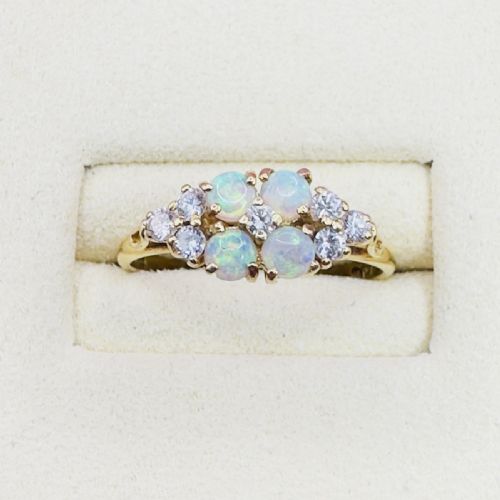


Round Cut Diamond Ring
A round cut diamond ring brings together enduring geometric sparkle and decades of historical craftsmanship.
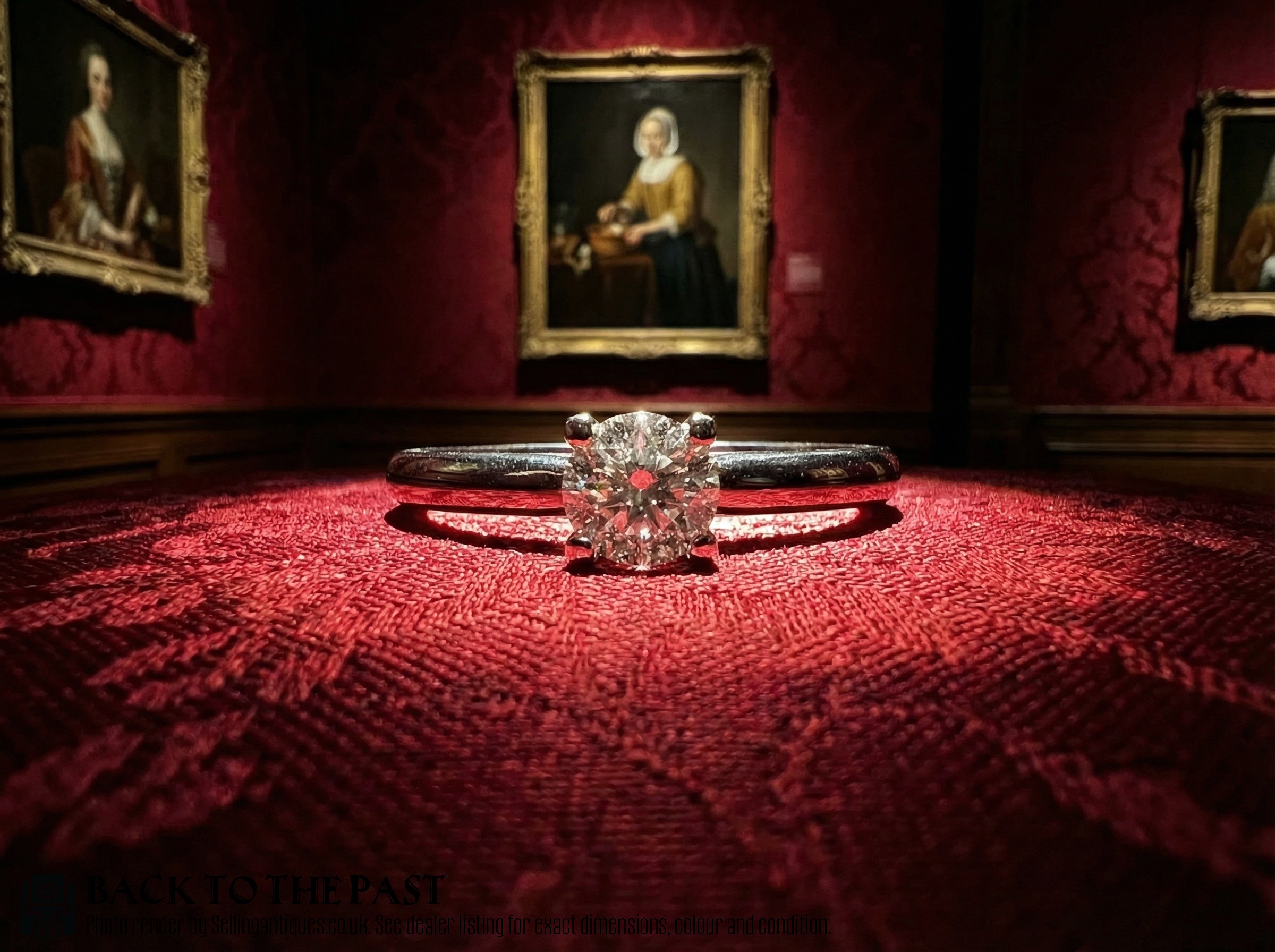
Round Cut Diamond Ring
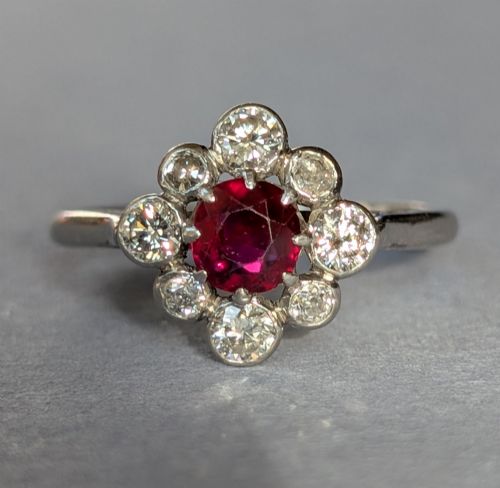
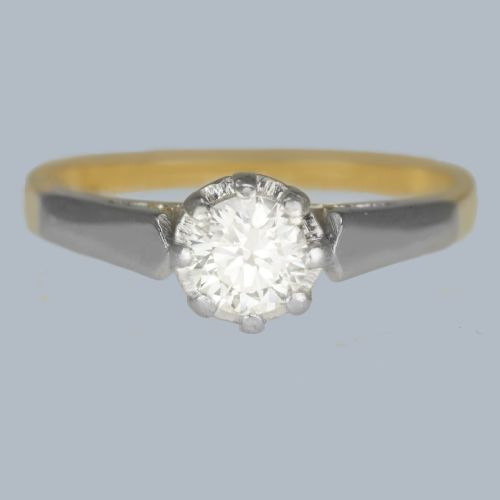
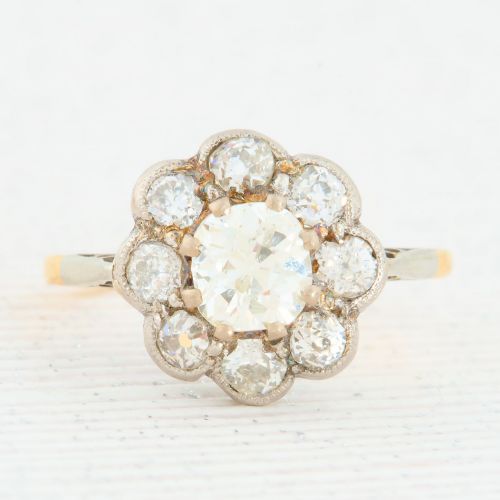
A round cut diamond ring encompasses a variety of historical styles, from Edwardian daisy designs to mid-century solitaires. Collectors encounter pieces originating across the late nineteenth, twentieth, and mid-century periods, spanning Victorian, Art Deco, and vintage eras.
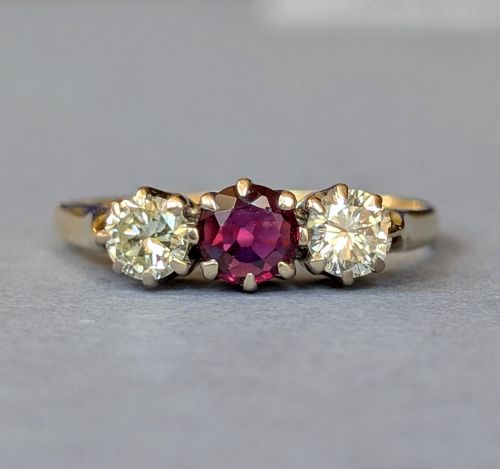
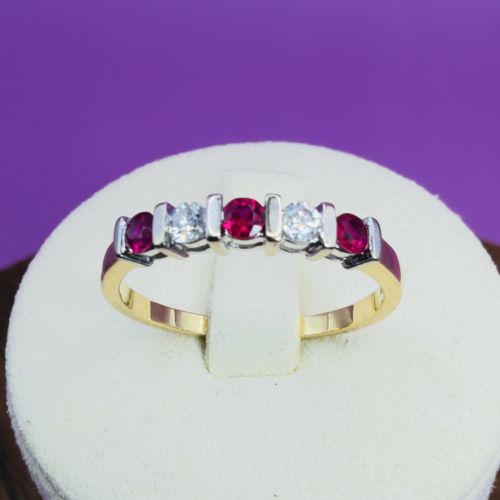
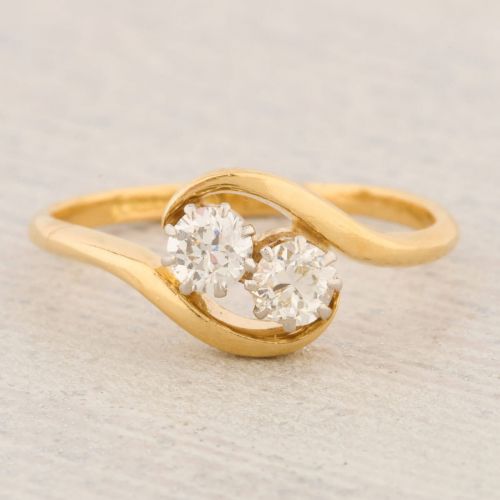
The inventory on this page centres primarily on engagement rings and dress rings. Solitaires, multi-stone clusters, trilogy rings, and eternity bands form the core of the available forms.
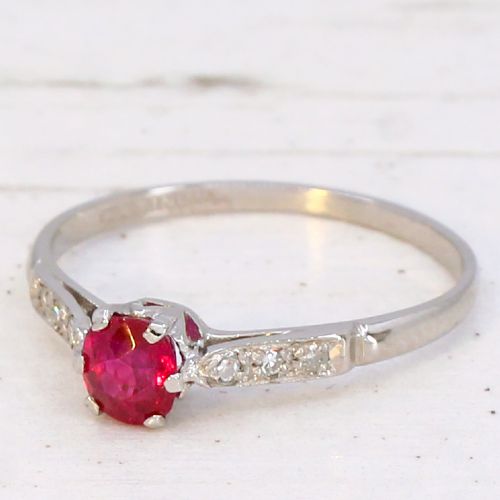
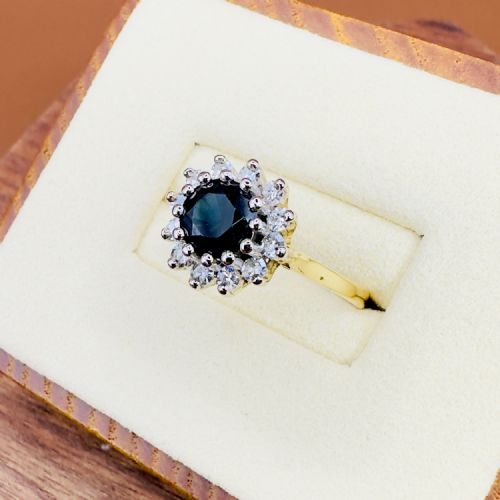
Gemstone combinations frequently accompany the central diamond. Rubies, sapphires, opals, and zircons often appear alongside the primary stones within platinum and gold settings.
Materials and Manufacture
Metals used across these pieces include platinum, 18ct yellow gold, 18ct white gold, and 18ct rose gold. These precious metals provide structural support for intricate settings, including claw mounts, bezels, and flush arrangements.
Diamond cutting techniques evolved through the periods represented, showcasing old European cuts, old mine cuts, transitional cuts, and modern brilliant cuts. Gemstones are secured by hand-worked metalwork often finished with millegrain detailing or shoulder stones.
Round Cut Diamond Ring Retail Price Guide 2026
Typical asking prices for round cut diamond ring among the pieces listed under this phrase on Sellingantiques today, from the lower quarter to the upper quarter. They describe what is for sale here now, not the wider market.
Gemstones paired with diamonds in these rings include rubies, sapphires, opals, and zircons set in cluster, trilogy, and eternity configurations.
Quality Variations
The standard of a round cut diamond ring rests upon the harmony between the central stone and its metal setting. Superior examples display precision in gemstone symmetry, secure claw or bezel construction, and minimal wear to the underlying precious metal.
Proportion and execution define the upper tiers of the range. Master jewellers balanced stone weight with delicate gallery work, ensuring that mountings enhanced the optical performance of the diamonds without dominating the design.
The Round Cut Diamond Ring Glossary
- Solitaire
- A ring featuring a single prominent gemstone, most commonly a diamond. This form places emphasis entirely upon the central stone.
- Cluster ring
- A design where a central gemstone is surrounded by a group of smaller stones, often forming a floral or geometric pattern. These arrangements maximise visual presence.
- Old European cut
- An early form of round cut diamond characterised by a small table, high crown, and large culet facet. This cut predates the modern brilliant cut.
- Millegrain
- A decorative technique featuring a line of tiny beaded metal bumps along the edges of a setting. It provides a soft texture frequently seen on Edwardian and Art Deco jewellery.
- Trilogy ring
- A piece featuring three stones set side by side, representing the past, present, and future. Diamonds in these rings are frequently graduated in size.
Round Cut Diamond Ring: Frequently Asked Questions
How do I identify an Art Deco round cut diamond ring?
Art Deco rings from the 1920s and 1930s often utilise platinum settings combined with geometric motifs, straight lines, and precise calibration of accent stones like rubies and sapphires.
Look for architectural symmetry, openwork galleries, and millegrain edging which distinguish this period from earlier Victorian or later mid-century styles.
What is the difference between an old cut and a modern diamond?
Older diamond cuts, such as old European or old mine cuts, were shaped by hand to perform best under candlelight or gaslight. They feature deeper proportions and larger facets compared to modern brilliant cuts.
This hand-cut heritage gives vintage stones a distinct charm and softer scintillation than contemporary machine-cut diamonds.
Can I wear an antique diamond ring every day?
Many buyers wear antique and vintage engagement rings daily, provided the setting is secure and inspected regularly by a professional jeweller. Platinum and 18ct gold offer sufficient durability for everyday wear.
Softer gemstones like opals require more care than diamonds and rubies when worn continuously.
What does a cluster ring setting look like?
A cluster setting groups a larger central diamond or coloured gemstone closely with a perimeter of smaller stones. This arrangement creates a larger overall visual footprint on the finger.
Daisy rings and target rings are specific historical variations of this multi-stone cluster design.