

Round Country Table
A round country table brings immediate warmth to a room, offering honest utility through centuries of domestic life.
Round Country Table
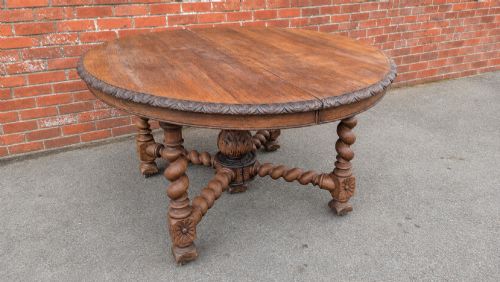
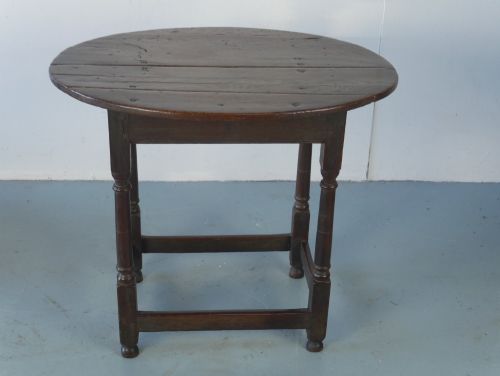
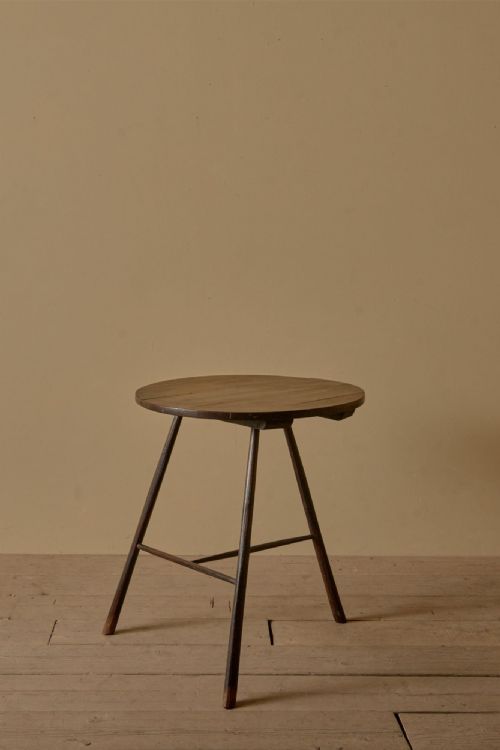
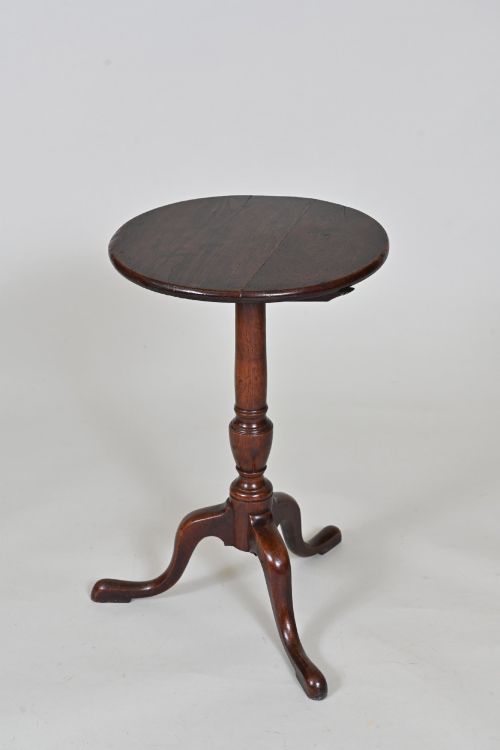
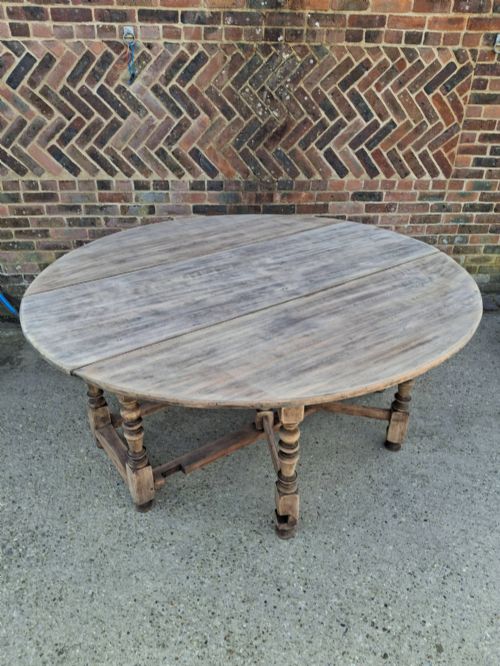
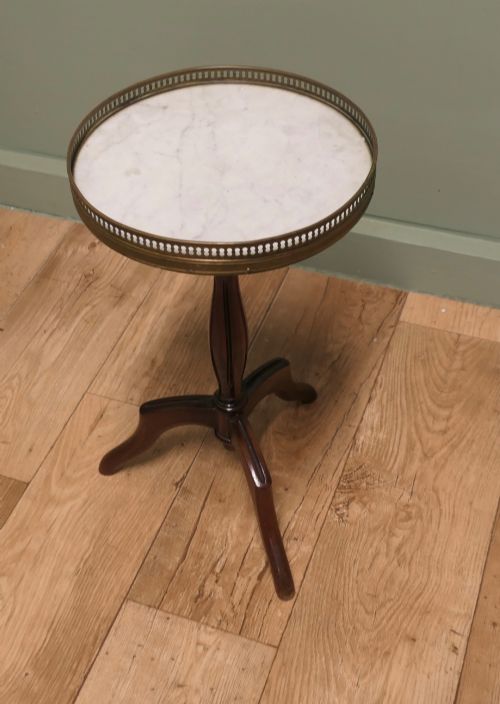
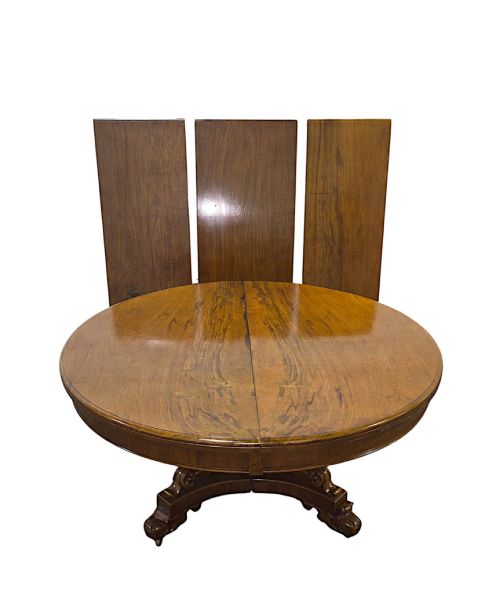
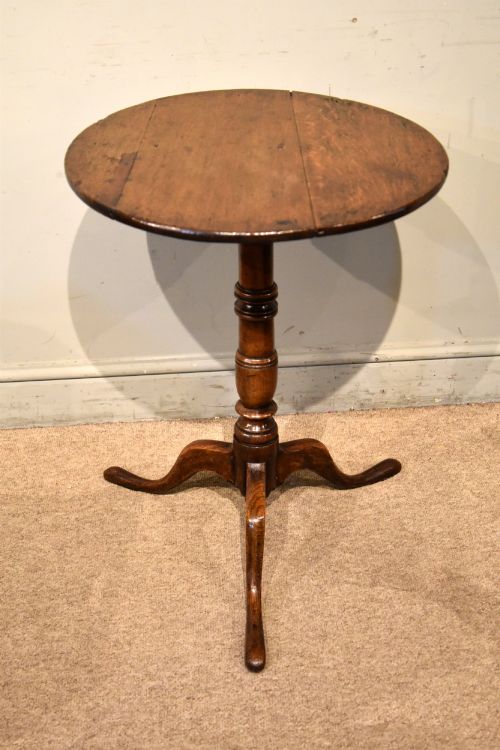
A round country table satisfies the search for domestic timber furniture rooted in rural and provincial traditions, spanning centuries of practical use. These pieces range from modest tripod stands and three-legged cricket tables to generous farmhouse dining boards and wine-tasting tables.
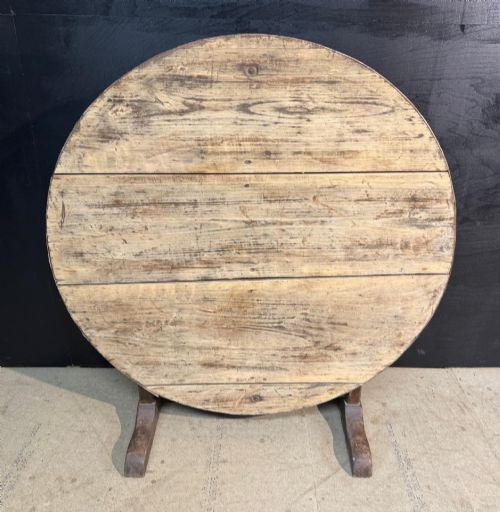
The selections here most frequently present as English and Welsh cricket tables or continental pieces in pine, oak, and elm. Buyers encounter diverse regional forms, including French vendange tables and Swedish painted lamp tables, each shaped by local domestic customs.
Originating across the eighteenth and nineteenth centuries, these circular surfaces served varied roles from tavern seating to hall display. Their enduring appeal lies in straightforward construction and proportions suited to everyday living.
What varies in quality
Distinction across these tables rests in the choice of timber and the integrity of the original structure. Dense figuring in oak or pollard surfaces elevates a piece beyond simple utilitarian joinery.
Proportion and the preservation of original patination separate standard examples from finer specimens. Evidence of genuine age in the wear of timber and untouched surface finishes commands greater appreciation.
Round Country Table Retail Price Guide 2026
Typical asking prices for round country table among the pieces listed under this phrase on Sellingantiques today, from the lower quarter to the upper quarter. They describe what is for sale here now, not the wider market.
Three-legged cricket tables solved the ancient domestic crisis of wobbly furniture on uneven cottage floors without needing a folded beer mat.
Egan Workshop
The Round Country Table Glossary
- Cricket table
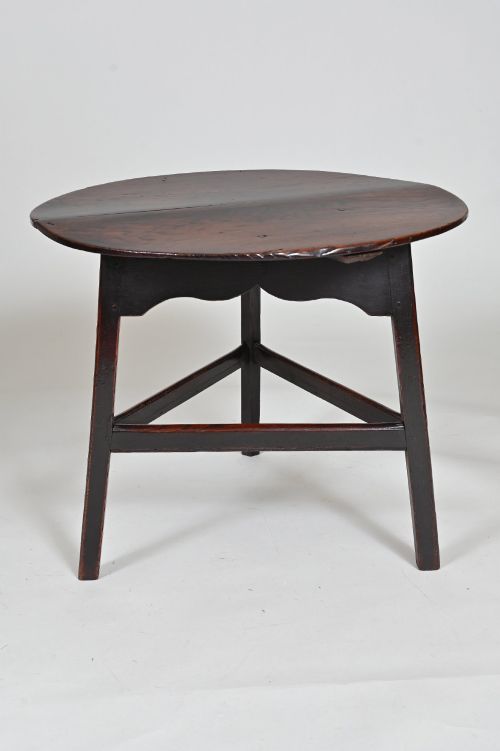
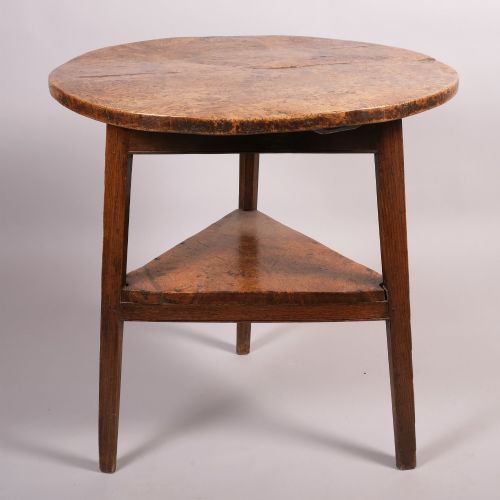
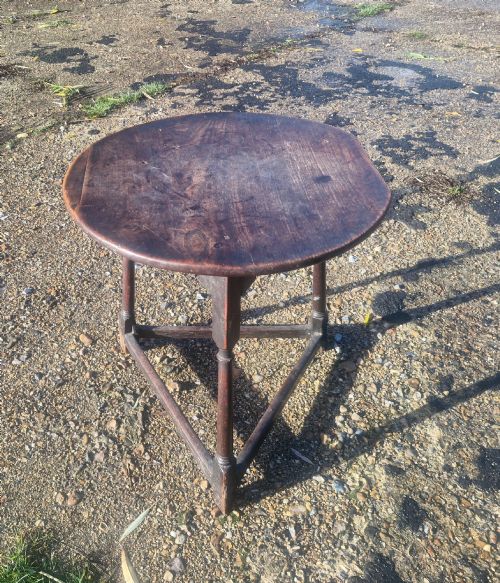
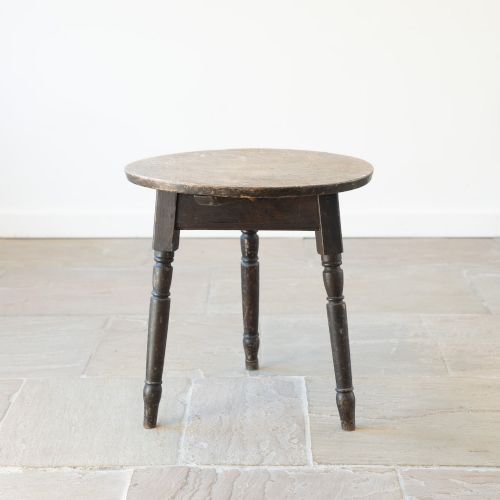
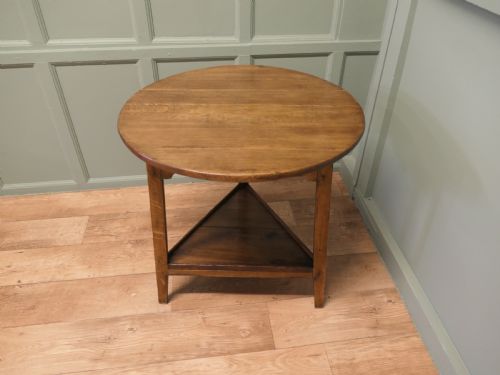
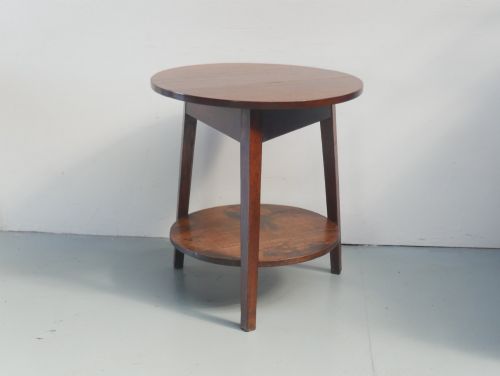
- A small circular table featuring three legs, historically designed to stand steady on uneven cottage floors. This form frequently appears in oak and pine across English and Welsh origins.
- Vendange table
- A French wine-harvest table, usually constructed with a folding or tiltable top for practical storage between seasons. These pieces reflect regional continental craftsmanship.
- Tripod table
- A freestanding table supported by three individual legs radiating from a central pillar. Such pieces function as occasional, lamp, or wine tables.
- Bleached oak
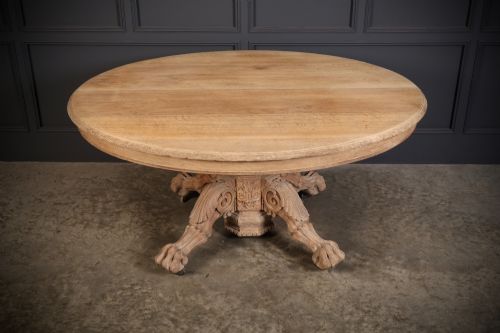
- Timber treated to lighten its natural tone while retaining the underlying grain pattern. This finish appears across nineteenth-century examples.
- Tilt top
- A tabletop hinged to the pedestal base so it can be tipped vertically when not in use. This mechanism saved valuable floor space in period interiors.
Round Country Table: Frequently Asked Questions
What is a cricket table?
A cricket table is a traditional small table supported by three legs, designed to remain steady on uneven flagstone or earth floors. They were widely used in domestic settings for dining, reading, or holding household items.
The three-legged design prevents wobbling, making these pieces exceptionally practical. Most examples found today date from the eighteenth and nineteenth centuries in oak or pine.
Where were these tables used?
These tables served rural homes, farmhouses, taverns, and provincial cottages across Britain and Europe. Smaller versions functioned as lamp or wine tables, while larger formats accommodated dining.
Their compact circular footprint made them adaptable to corners, halls, and modest living spaces. They moved easily around the home as daily needs required.
How do I care for antique timber?
Protect antique wood by keeping it away from direct heat sources and sudden changes in humidity. Regular dusting with a dry cloth maintains the surface without harming the historic finish.
Avoid commercial silicone sprays and harsh chemical polishes. Simple beeswax applied sparingly preserves the natural patination built up over generations.
How do I date a country table?
Dating relies on examining construction methods, tool marks, timber species, and overall wear patterns. Hand-sawn boards and pegged joints typically indicate eighteenth or early nineteenth-century origin.
Hardware such as screws and hinges also offers clues, though many vernacular pieces were repaired over time. Comparing regional styles helps narrow down the period of manufacture.