


Round Base Table Lamp
Round base table lamp pieces bring steady light and compact form to a room, offering functional charm from periods spanning the nineteenth century to the art deco era.
Round Base Table Lamp
A round base table lamp search reveals varied small tables and lighting fixtures, though the listings show tables and occasional stands rather than wired lamps alone.
The pieces emerge from styles including Victorian, Regency, French Empire, and Arts and Crafts, reflecting domestic furniture traditions across Britain and France.
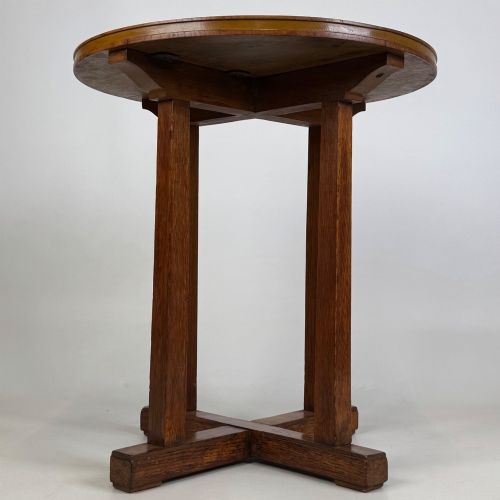
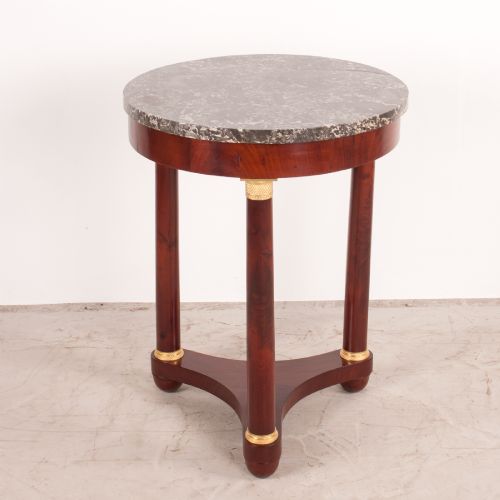
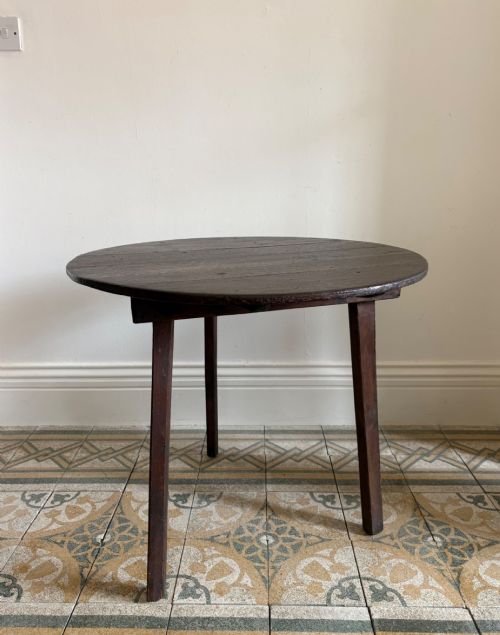
Forms span gueridon tables, wine tables, and occasional stands with circular timber or marble tops, supported by sturdy central pedestals or tripod feet.
How they were made
Cabinetmakers utilised dense timbers such as mahogany, oak, burr elm, and burr walnut, often selecting figured veneers for visual depth.
Marble tops appear alongside turned brass components, ormolu mounts, and gilt wood, showing robust construction methods suited to everyday interior use.
What varies in quality
Quality rests upon the selection of timber, where tightly figured burr walnut or rich mahogany elevate a piece above simpler pine and oak constructions.
Proportion and stability define the better examples, ensuring that heavy marble inserts or slender tripod stems maintain balance and fine joinery.
The Round Base Table Lamp Glossary
- Guéridon
- A small French table, typically circular and supported by a single central pillar or tripod base. They often feature inset marble tops and decorative wood veneers.
- Wine table
- A small occasional table designed for holding glasses or decanters, usually featuring a circular top on a turned pedestal stem. These pieces date frequently from the Georgian and Victorian periods.
- Ormolu
- Gilt bronze mounted onto furniture or decorative objects. This technique involves applying a gold amalgam to bronze to create a durable, golden finish.
- Tripod table
- A freestanding table supported by three legs radiating from a central pillar. This construction provides stable footing on uneven floors.
Round Base Table Lamp: Frequently Asked Questions
What is a gueridon table?
A gueridon is a small circular table of French origin, typically mounted on a single central column or tripod base. These pieces often showcase fine timber veneers or inset marble tops.
They served traditionally as candle stands or small accent tables, bringing portable surface space and decorative French style to nineteenth-century interiors.
How do I date a mahogany wine table?
Dating relies on examining the timber grain, the turning of the pedestal stem, and the construction methods used beneath the circular top. Georgian and Regency examples often show lighter, finer proportions.
Victorian pieces tend to be heavier in build, utilising dense mahogany and more robust pedestal mounts to support everyday use.
Where should I place an occasional table?
These compact circular tables fit easily beside armchairs, in narrow hallways, or as bedside stands where surface space is limited. Their small footprints make them versatile room accents.
Pairing a marble-topped gueridon or a burr walnut lamp table with traditional seating creates a balanced focal point without crowding the room.
What woods were commonly used?
Cabinetmakers favored dense hardwoods such as mahogany, oak, and walnut for their strength and ability to take a fine polish. Burr elm and burr walnut provided decorative, highly figured surfaces.
Porter and secondary woods like pine appear in structural framing beneath the finer show veneers.